
Lieferung heute & morgen

Qualitätsgarantie

Willkommens-Angebote freischalten: KOSTENLOSE Lieferung | Bis zu 80 % RABATT | Kostenlose 30-Tage-JoyPlus-Testphase
App herunterladen
For many people in Germany, SPF 50 sun cream is part of their daily skincare routine. But with so many options available, finding the right product isn’t always straightforward. Terms such as “ultra-light”, “water-resistant” and “for sensitive skin” often describe just one feature. They’re no substitute for checking the sun protection factor, how to use the product and its ingredients.
1. SPF 50 doesn’t offer unlimited protection from the sun.
The sun protection factor mainly describes protection against UVB rays, which can cause sunburn. UVA rays penetrate deeper into the skin. So, look for a stated UVA protection rating too, such as the UVA symbol in a circle used under European labelling rules or, on Asian products, a rating such as PA++++.
2. “Water-resistant” doesn’t mean it stays water-resistant indefinitely.
Even water-resistant sun cream for the face or body can wear off when you swim, sweat or dry yourself with a towel. You’ll need to reapply afterwards. A manufacturer’s water-resistance claim can be useful for days at the beach, sport or hikes, but it doesn’t mean you can skip reapplying.
3. A light texture doesn’t tell you much about how well your skin will tolerate it.
A non-greasy sun cream may contain alcohol, fragrance or certain filters that don’t suit everyone. If your skin is sensitive or prone to blemishes, check the full INCI list and try the product on a small area of skin first.
For the face, people often use the two-finger rule: apply roughly two finger-lengths of product to cover your face and neck. Adults need considerably more for the body – around a generous handful for the areas not covered by clothing.
Using too little sun cream significantly reduces the protection you actually get. Apply it before going outdoors and reapply regularly, especially after sweating, swimming or drying yourself with a towel.
A face cream with SPF 50 is often formulated to feel lighter and is designed for a smaller area. Body products often come in larger packs and may have a richer texture. For everyday sun protection on your face, texture, eye comfort and how well the product works with your skincare or make-up are particularly important.
Korean and Japanese sun creams often use lightweight lotion, essence or gel textures. Even so, check ratings such as PA++++ against the European product information and the labelling on the packaging.
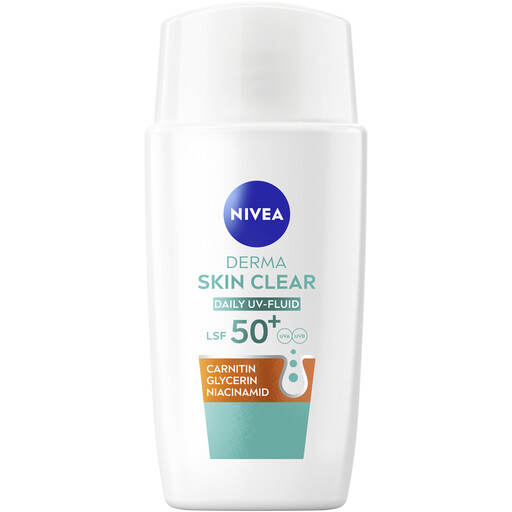
Why it suits this profile: This compact UV fluid is designed for daily use on the face and can be worn under make-up. The product description highlights its lightweight, fast-absorbing texture and non-comedogenic formula.
The clear SPF 50+ rating and the described matte, invisible finish make it easier to choose than products with vague claims about everyday use.
SPF 50+, niacinamide and glycerin, according to the product information; 40 ml size for facial skincare.
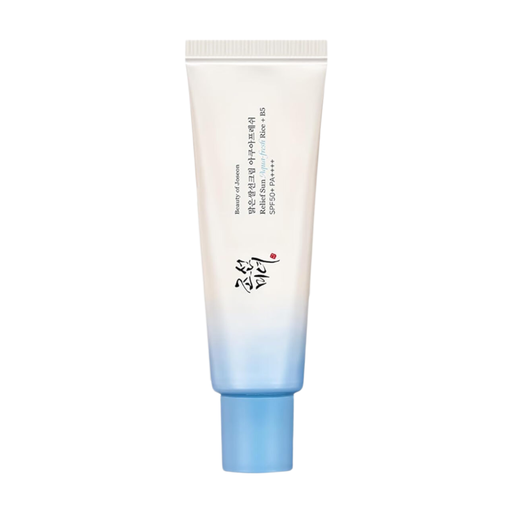
Why it suits this profile: This lotion is aimed at anyone looking for daily sun protection with a fresh, watery feel and an added skincare benefit.
The product description specifically says it leaves no white cast, greasy feel or sticky residue – useful qualities when you need to reapply throughout the day.
SPF50+ and PA++++; rice water and panthenol are listed in the product description.
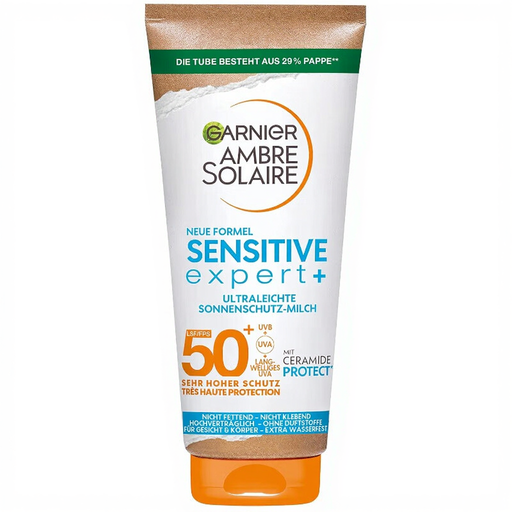
Why it suits this profile: The larger 175 ml pack is handy for regular use on your arms, legs and torso, for example when you’re spending longer periods outdoors.
The product information advises reapplying after swimming, sweating or drying yourself with a towel, rather than treating water resistance as lasting protection.
SPF 50+; lightweight sun lotion for sensitive skin, according to the product description; generous size for use on the body.
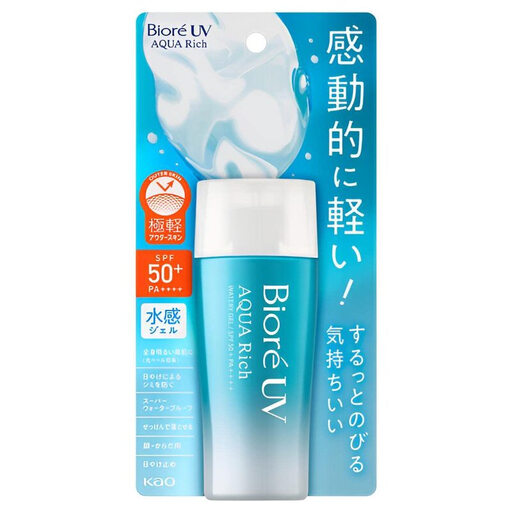
Why it suits this profile: According to the supplier, this Japanese product combines a watery gel texture with the option to use it on both your face and body.
The product description lists SPF50+, PA++++, a fragrance-free formula and a finish with no visible residue.
70 ml size; watery gel texture; SPF 50+ and PA++++ according to the product information.
Apply sun cream as the last step in your morning skincare routine. If you’re trying a new product, it’s a good idea to test it on a small area of skin first. Avoid direct contact with your eyes, and don’t use sun protection on broken or irritated skin.
Store the pack in a cool, dry place, away from direct sunlight. Check the best-before date, batch number and INCI list on the packaging, as product information can change. Sun cream should also be used alongside shade, clothing and a hat – it doesn’t replace any of them.
We’ve put together a complete, regularly updated list of products that meet these strict selection criteria and fully comply with the safety regulations in force in the EU.
If you’re spending a long time in the sun, reapply regularly. It’s particularly important to apply it again after swimming, heavy sweating or drying yourself with a towel. The level of water resistance depends on the product.
Yes, as long as the product is labelled for use on the face. Face sun cream is often lighter and easier to wear with skincare or make-up. If your skin is sensitive, check the ingredients and follow the directions for use.
Check the PAO symbol on the packaging. It may indicate, for example, that the product lasts for 12 months after opening. Changes in colour, smell or consistency can also be a sign that it’s past its best. If you notice any significant changes, stop using the product.