
Lieferung heute & morgen

Qualitätsgarantie

Willkommens-Angebote freischalten: KOSTENLOSE Lieferung | Bis zu 80 % RABATT | Kostenlose 30-Tage-JoyPlus-Testphase
App herunterladen
SPF 50 or SPF 50+ sun protection is part of many households’ summer essentials. But bold advertising claims don’t automatically mean you’ve found the right product. What matters is how you’ll use it, your skin type and the situation you’ll be using it in.
1. A high SPF doesn’t mean you can skip regular reapplication.
SPF 50 indicates the level of protection against UVB rays under standardised conditions. Reapply after swimming, sweating or drying yourself, and after spending a long time outdoors. Even sun protection labelled as water-resistant won’t stay effective indefinitely.
2. SPF 50 sun spray doesn’t automatically provide even coverage.
Sprays are quick to apply, but wind or spraying for too short a time can leave gaps. Apply the product from the recommended distance, then spread it carefully over your skin. Many sprays should first be applied to your hands before using them on your face.
3. “For sensitive skin” doesn’t mean every formula is suitable for you.
When choosing sun protection for sensitive skin, it’s worth checking the fragrance, alcohol and colourant content, as well as the full ingredients list. A product described as hypoallergenic is a claim about the product, not a guarantee that it will suit everyone. If you’re prone to allergies, try it on a small patch of skin first.
SPF refers mainly to protection against UVB rays. For everyday use, look for a product that also offers UVA protection. Check for wording such as “UVA and UVB protection” and look for the relevant symbol on the packaging. UV rays can still be a concern on cloudy days and around water or pale sand.
SPF 50 sun lotion is often a good choice for larger areas of the body and can be spread precisely by hand. A sun protection spray may be more practical for your back, arms and legs. For your face, lightweight formulas or a face spray to use over make-up may be a good option. Don’t spray aerosols directly onto your face or use them in poorly ventilated spaces.
“Water-resistant” doesn’t mean you can skip reapplying. Also check whether the product is suitable for children and the age from which it can be used. Special precautions apply to babies under six months; keep them out of direct sunlight. For children, clothing, a hat and shade are just as important as sun protection.
Packaging can make a practical difference, too: pump bottles are easy for families to use, while smaller sprays are handy for taking out and about. For pressurised containers, follow the safety instructions on heat, flames and inhalation.
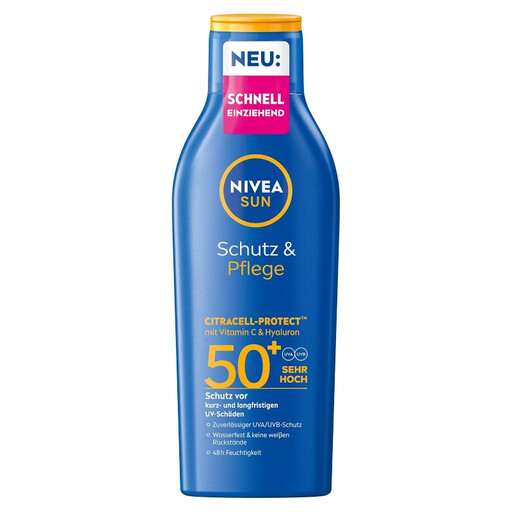
Why it suits this profile: This 200 ml sun lotion is designed for applying to larger areas of the body and offers SPF 50+ protection, with UVA and UVB protection clearly stated.
Rather than simply being promoted as quick sun protection, the lotion comes with specific guidance on applying it generously and reapplying regularly.
According to the product description, it has a fast-absorbing texture, contains 200 ml and provides 48 hours of hydration.
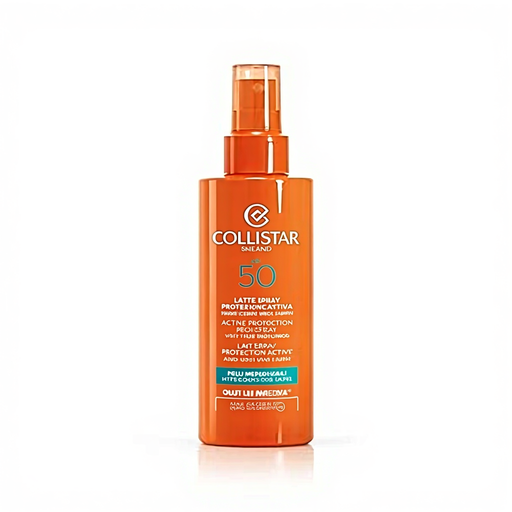
Why it suits this profile: The milky formula is described as fast-absorbing and water-resistant. Product details also state that it is free from fragrance, colourants, silicones and alcohol.
The label clearly lists ingredients the formula leaves out and advises frequent reapplication after contact with water or sweat.
200 ml, spray application, SPF 50 and, according to the product information, suitable for the face and body.
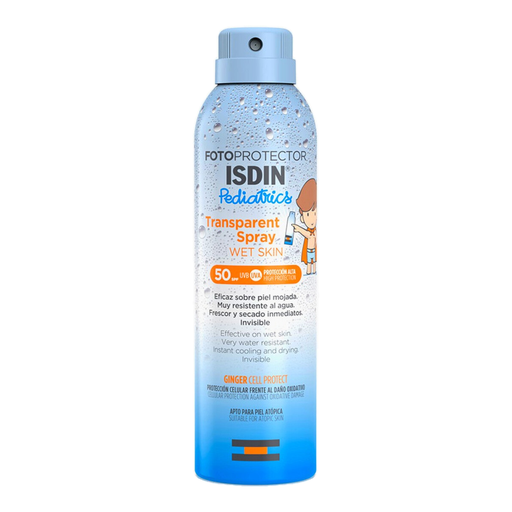
Why it suits this profile: According to the product information, this spray is intended for children aged three and over, and can be used on both dry and wet skin.
The recommended age and use on wet or dry skin are clearly stated. Even so, you’ll still need to spread it evenly and reapply it.
SPF 50+, 200 ml, a transparent spray texture and, according to the product description, very water-resistant properties.
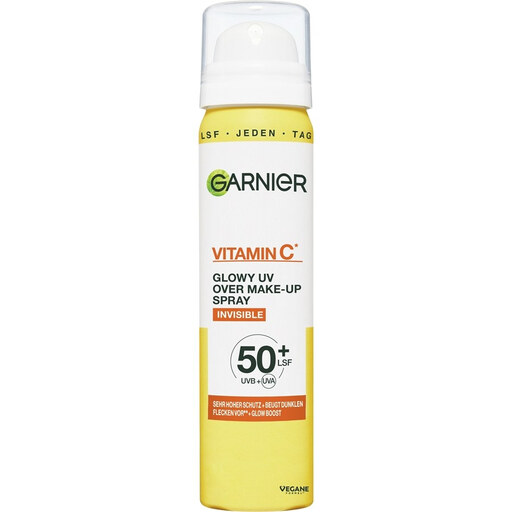
Why it suits this profile: This compact 75 ml spray is designed to be used over make-up, making it handy for topping up your protection throughout the day.
It’s not to be confused with a standard body lotion: this spray is designed for the face and for topping up your protection over make-up.
SPF 50+, a handy size and, according to the product description, a glowy finish when used over make-up.
We’ve put together a complete, regularly updated list of products that meet these strict selection criteria and fully comply with the safety regulations in force in the EU.
Reapply after swimming, sweating or drying yourself. It’s also a good idea to top up regularly even if you haven’t been in the water, as rubbing from clothing or towels can wear away the protective layer.
Many products are designed for children, but the recommended age varies. According to the product description, the ISDIN spray is suitable from three years of age, while the NIVEA SUN Babies & Kids Sensitive Protective Spray is suitable from six months. Always follow the information on the relevant packaging.
A face spray designed for this purpose can be applied over make-up. With aerosols, spray the product into your hand first, then gently spread it over your face if the instructions say to do so. Avoid direct contact with your eyes and don’t inhale the spray mist.