
Lieferung heute & morgen

Qualitätsgarantie

Willkommens-Angebote freischalten: KOSTENLOSE Lieferung | Bis zu 80 % RABATT | Kostenlose 30-Tage-JoyPlus-Testphase
App herunterladen
SPF 50 sun spray is quick to apply and can reach parts of the body that are difficult to access. However, the number on the packaging alone won’t tell you whether a product is right for your face, body, children or outdoor activities. If you only look for claims such as ‘quick-drying’, ‘water-resistant’ or ‘invisible’, you could overlook important details.
The sun protection factor mainly describes protection against UVB rays, which play a major role in sunburn. For balanced protection, the product should also offer stated UVA protection, for example, indicated by the UVA symbol in a circle on the packaging. However, UVA and UVB protection is no substitute for clothing, sunglasses or avoiding the strongest midday sun.
Sprays are also often applied too sparingly. A thin, barely visible layer may not provide the stated level of sun protection reliably. After spraying, spread the product evenly over your skin.
A water-resistant sun spray may stay on your skin for longer than a non-water-resistant product when exposed to water or sweat. However, you’ll still need to reapply after swimming, towelling off or sweating heavily. ‘Water-resistant’ is no reason to skip reapplication.
Aerosols often contain propellants and can be flammable. Keep them away from flames, hot surfaces and heated vehicles. When applying, make sure the area is well ventilated and avoid inhaling the spray. Many sprays should not be sprayed directly onto your face. For sun spray over make-up, spray it into your palms first, then gently apply it to your face or make-up, provided the manufacturer recommends this use.
First, check for:
A sun spray for the face should ideally not be sprayed directly towards your eyes or nose. If you have sensitive skin, look for claims such as fragrance-free, alcohol-free or hypoallergenic. These are not a guarantee that a product will suit everyone, though. If you have known allergies, check the full INCI list and try the product carefully on a small area of skin first.
A sun protection spray for sensitive skin may contain fewer fragrances or exclude certain ingredients. Fragrances such as Limonene, Linalool or Parfum may be relevant if you have sensitive skin. On the other hand, nourishing ingredients such as glycerin, hyaluronic acid or plant oils are no substitute for UV protection itself.
Also consider the texture. A light, fast-absorbing spray is practical for sport and travel. Milk or lotion sprays, meanwhile, may feel more comfortable on dry skin. The term quick-drying sun protection mainly describes how the product feels on your skin; it doesn’t automatically mean the protection lasts longer.
Sprays containing 60 to 90 g are handy for your handbag or short trips, while 150 to 200 ml may be more practical for families and regular full-body use. How long a product lasts depends on how generously and how often you apply it.
Shake the packaging before use if instructed to do so. Spray from the recommended distance, spread the product carefully and reapply regularly. An adult should apply sun protection to children and check areas that are difficult to reach.
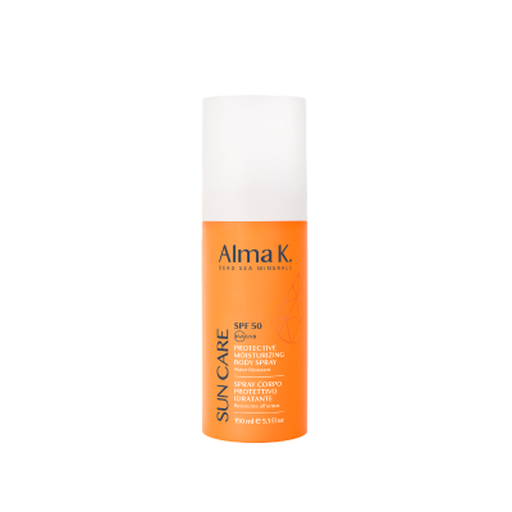
Why it suits this shopper: This 150 ml body spray is designed for easy full-body application and, according to the product details, offers SPF 50 and UVA and UVB protection.
The product description mentions a light, non-greasy texture that absorbs quickly. Check the packaging to see whether it can also be used on the face.
150 ml, SPF 50 and, according to the supplier, a hypoallergenic formula with argan oil and green tea extract.
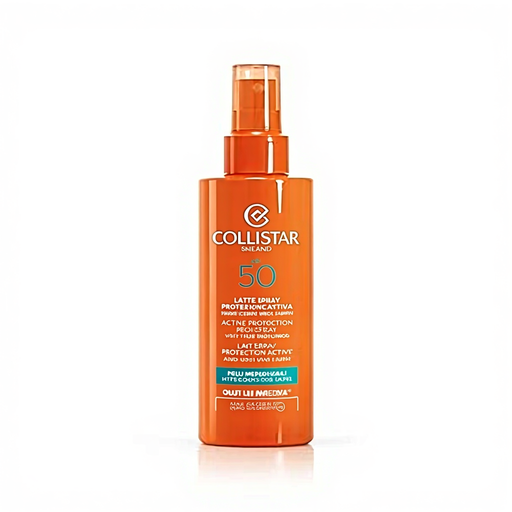
Why it suits this shopper: According to the product details, this 200 ml sun milk is suitable for the face and body and is described as free from fragrance, colourants, silicones and alcohol.
The product details describe a water-resistant texture that absorbs quickly. You’ll still need to reapply after swimming, sweating or towelling off.
200 ml, SPF 50 and, according to the supplier, suitable for sensitive or photosensitive skin.
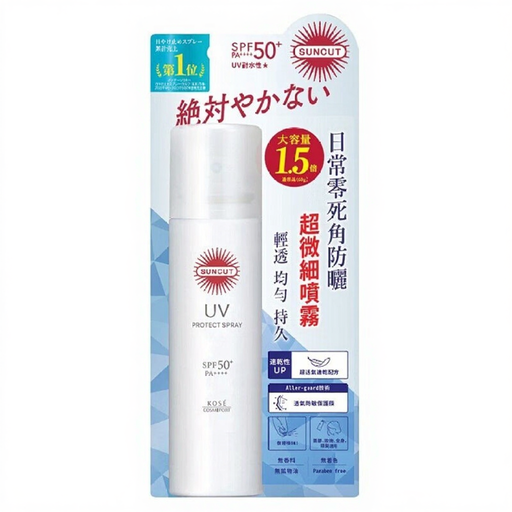
Why it suits this shopper: The product description says this spray is water-resistant and transparent, and is designed for hard-to-reach areas such as your back and neck, as well as your hair and scalp.
The instructions advise against spraying directly onto your face and recommend holding the can 10 to 15 cm away. This helps reduce the risk of misuse and unnecessary inhalation.
SPF 50+, PA++++ according to the product details, a transparent texture and suitable for use over make-up after first spraying onto your hands.
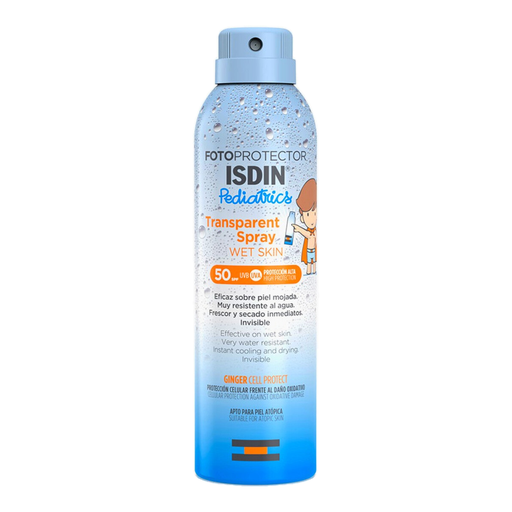
Why it suits this shopper: According to the product description, this spray is suitable for children aged three and over, as well as for dry and wet skin, and offers very high water resistance.
The minimum age is clearly stated. Even when applying it to wet skin, parents should still spray generously, spread it evenly and reapply after towelling off.
200 ml, transparent application on wet and dry skin and, according to the supplier, suitable for different skin types.
We’ve put together a complete, regularly updated list of products that meet these strict selection criteria and fully comply with the safety regulations in force in the EU.
It depends on the product. Some sprays are labelled for use on the face and body, while others are for the body only. With aerosols, you should usually spray the product into your hand first, then apply it to your face. Avoid the eyes, lips and mucous membranes.
You’ll need to reapply if you swim, sweat heavily or dry yourself with a towel. Even without these, you should refresh your sun protection regularly. Always follow the specific advice on the product packaging.
Check the best-before date and the symbol showing how long the product lasts after opening. Don’t continue using it if its colour, smell or texture has changed, or if the packaging is damaged. Aerosols should also be kept away from high temperatures and direct sunlight.