
Lieferung heute & morgen

Qualitätsgarantie

Willkommens-Angebote freischalten: KOSTENLOSE Lieferung | Bis zu 80 % RABATT | Kostenlose 30-Tage-JoyPlus-Testphase
App herunterladen
An SPF 50 sun spray can make it easier to protect large areas of skin quickly. However, spray formats can also lead to common mistakes: not covering the skin sufficiently, spraying for too short a time or spraying an aerosol directly onto your face. So if you’re comparing SPF 50 sun cream spray, sun protection spray and traditional lotion, don’t focus solely on a lightweight texture or marketing claims.
Clear sprays leave less visible residue, but that can make it harder to tell whether you’ve applied enough product to every area. It’s easy to miss patches on your shoulders, back, ears, neck and legs. Spray sun protection onto dry skin, then spread it carefully if the instructions say to do so.
A water-resistant sun spray may stay on for longer after swimming or sweating than a product that isn’t labelled water-resistant. But it can’t guarantee complete protection. Rubbing from towels and clothing, as well as contact with water, reduces the amount of product on your skin. Reapply after drying yourself and at regular intervals.
Aerosols must not be inhaled and should never be sprayed directly into your eyes. For your face, neck and décolletage, it’s usually safer to spray the sun protection into your palms first, then apply it. Use a sun spray designed to go over make-up in line with the manufacturer’s instructions. If the product is in a pressurised container, keep it away from heat, naked flames and temperatures above 50 °C.
SPF 50 mainly describes protection against UVB rays, which are a major cause of sunburn. For everyday use, you should also check that the product offers UVA protection. A product with UVA/UVB protection covers both relevant types of radiation. Always check the label on the packaging and the product page: a high SPF on its own doesn’t tell you everything about a product’s UV protection.
The stated sun protection factor assumes that you apply enough product and spread it evenly. A short spray isn’t enough to cover larger areas of your body. Apply sun spray generously before going out in the sun. Reapply regularly, especially after swimming, heavy sweating or drying yourself with a towel.
For very runny formulas, it’s best to apply the product one section at a time. This makes it easier to spot any areas you’ve missed. An adult should apply sun protection to children. A children’s sun cream spray is only suitable if its age recommendation and instructions are appropriate for the child’s age group.
If you have sensitive skin, check the full INCI list. Fragrances, alcohol and certain preservatives may not suit everyone. Terms such as “hypoallergenic” or “for sensitive skin” don’t guarantee that a product will suit you personally. If you have known sensitivities, it may be helpful to do a small patch test, following the instructions on the packaging. Stop using the product if irritation occurs.
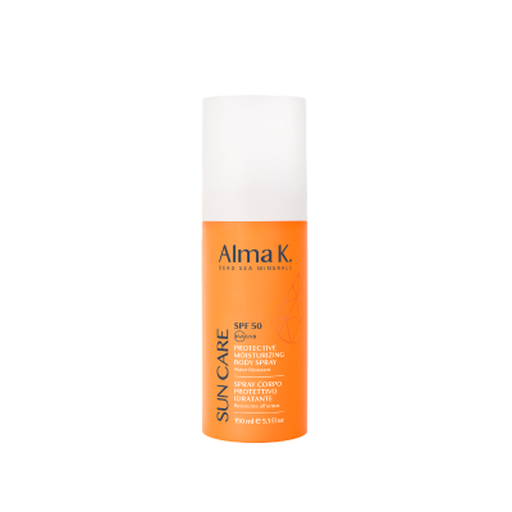
Why it suits this profile: This 150 ml spray bottle is designed for everyday use on the body and, according to the product details, offers UVA and UVB protection with SPF 50.
Clearly labelled as a body spray, it’s less likely to be mistaken for a facial spray. You’ll still need to spread it evenly over your skin.
According to the product description, it has a fast-absorbing, non-greasy texture and comes in a 150 ml bottle.
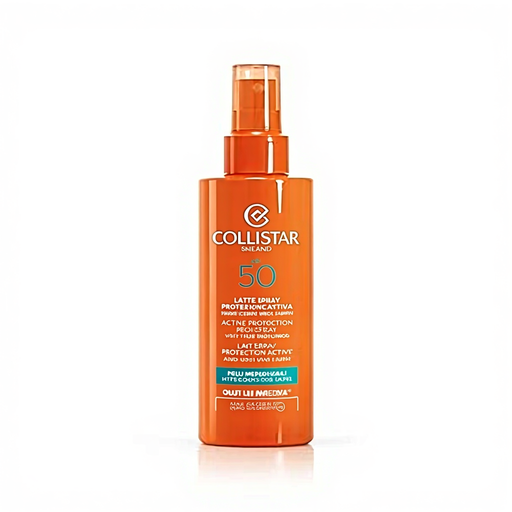
Why it suits this profile: According to the product details, this milk spray is free from fragrance, colourants, silicones and alcohol, and is designed for use on the face and body.
The product’s stated features make it easier to check whether it meets your personal requirements. Check the INCI list on the packaging before you buy.
200 ml; described as water-resistant and suitable for sensitive or photosensitive skin.
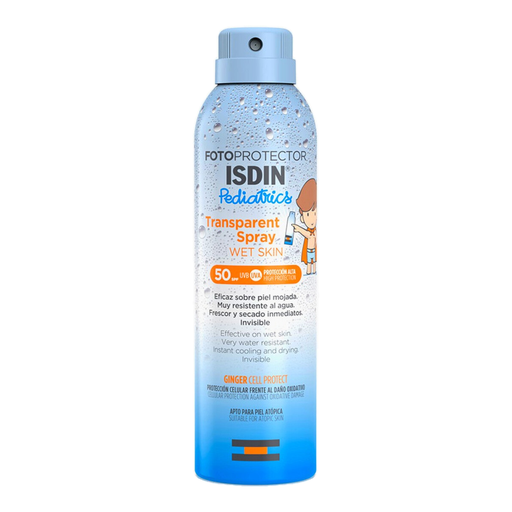
Why it suits this profile: According to the product description, this children’s sun cream spray is suitable for dry and wet skin from the age of three and offers very high water resistance.
Its suitability for wet and dry skin addresses a common issue when reapplying after swimming. You’ll still need to spread the product generously over the skin.
200 ml; according to the product details, it has a fast-drying, transparent formula for wet and dry skin.
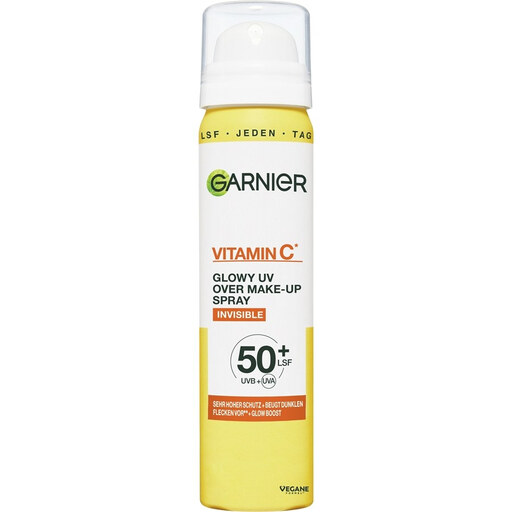
Why it suits this profile: According to the product details, this 75 ml facial spray is designed to be used over make-up, making it a handy option for topping up your protection on the go.
Its specific purpose helps prevent a large-area body spray being used over make-up as a facial product. Avoid the eyes and any irritated skin.
Compact size, SPF 50+ according to the product name, and designed for use over make-up.
We’ve put together a complete, regularly updated list of products that meet these strict selection criteria and fully comply with the safety regulations in force in the EU.
Only if the product details say it’s suitable for facial use. Don’t assume that a body spray is suitable for your face. With aerosols, it’s best to spray the product into your hands first. Avoid the eyes, lips, mucous membranes and irritated skin.
That depends on the amount in the bottle, the area of skin you’re covering, how much you apply and how often you use it. A 200 ml spray should last for several applications with regular use, but it’s not possible to say exactly how long it will last on holiday. Applying too little will reduce the level of protection you actually get.
A UV protection spray designed for this purpose can make it easier to top up your protection. However, it’s harder to judge how much you’ve applied than with a cream. If you’re spending a long time in strong sun, it’s also important to seek shade, wear clothing and a hat, and apply a suitable base layer of sun protection.