
Lieferung heute & morgen

Qualitätsgarantie

Willkommens-Angebote freischalten: KOSTENLOSE Lieferung | Bis zu 80 % RABATT | Kostenlose 30-Tage-JoyPlus-Testphase
App herunterladen
An SPF 50 sun spray can be easier to apply than traditional sun cream. Its format makes it quick to cover your back, shoulders and legs, and depending on the product, it can also be handy when you’re out and about. However, claims such as ‘invisible’, ‘water-resistant’ or ‘for all skin types’ can often lead to the wrong purchase. It’s not just the high sun protection factor that matters: correct application, skin compatibility and how you plan to use it are important too.
Even a water-resistant sun spray loses some of its protective effect through swimming, sweating, towelling off and rubbing. The label doesn’t mean it will last indefinitely. Reapply sunscreen after being in the water or drying off with a towel.
Even SPF 50+ sunscreen cannot protect you from every UV exposure. Shade, clothing, sunglasses and avoiding the strongest midday sun are still sensible ways to stay protected.
Spraying can easily leave gaps. The knees, shoulders, ears, hairline and back are particularly easy to miss or cover with too little product. Aerosols also carry a risk of inhaling the mist. For your face, always spray sun protection into your hand first, then apply it.
A spray can absorb quickly but still contain alcohol, fragrance or known fragrance allergens. If you have sensitive skin or are prone to reactions, check the full INCI list and test the product on a small patch of skin first. For children, follow the age guidance and application instructions. A product for adults isn’t automatically a sun spray for children.
The SPF mainly indicates protection against UVB rays, which are associated with sunburn. Also look for a stated level of UVA protection. ‘Broad spectrum’ on the packaging or a UVA symbol can help you identify this.
A high sun protection factor is only useful if you apply enough product and spread it evenly. Using too little significantly reduces the stated level of protection. This applies equally to sun cream spray, sun lotion spray and traditional lotion.
Formulations can vary considerably for everyday use:
Keep aerosol cans away from heat, direct sunlight and sources of ignition. Check whether the manufacturer specifies a spraying distance and whether the product is intended for your face and body. When using a sun spray over make-up, take extra care: don’t spray directly towards your eyes or face. Spray it into your hand and gently pat it on instead, if the instructions allow.
The products below are grouped by different everyday needs. Product features are based on the information provided for each item; always check the packaging for the latest ingredients and instructions.
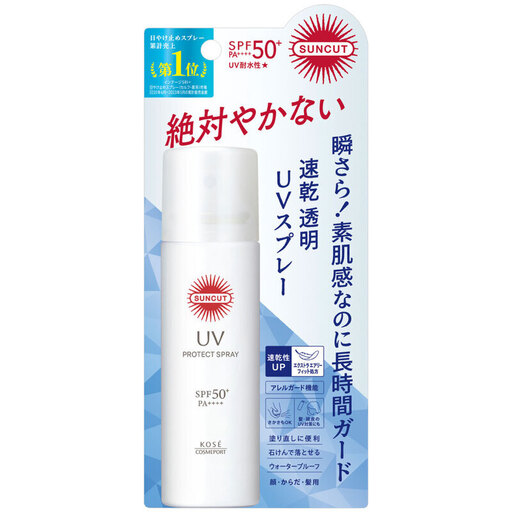
Why this product suits this profile: According to the product information, this compact spray is suitable for the face and body and can be removed with soap or cleansing products. Its SPF50+ and PA++++ ratings make it an interesting option if you’re looking for a small sun spray for everyday use and travel.
The product information describes a lightweight, water-resistant formula and recommends applying it in several layers. This doesn’t replace reapplication, but it can make application easier to plan.
SPF50+ and PA++++ according to the product information; fragrance-free, colourant-free, mineral oil-free and paraben-free according to the manufacturer.
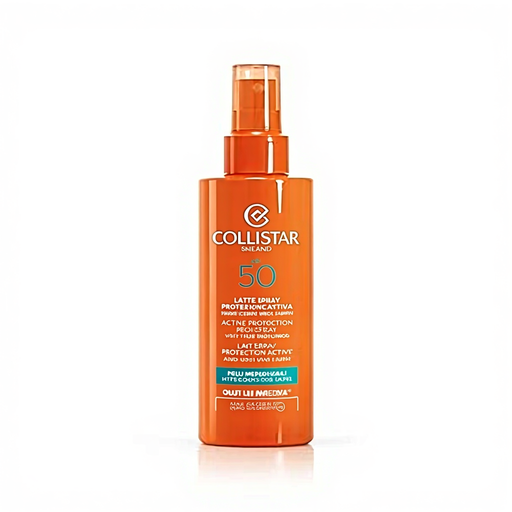
Why this product suits this profile: According to the product description, this milky formula is designed for the face and body and contains no fragrance, colourants, silicones, alcohol or mineral oils. This may appeal if you like to check a formula in detail before buying.
The product information specifically describes a water-resistant texture and advises frequent reapplication after contact with water, sweating or towelling off. This makes clear that ‘water-resistant’ is not a guarantee of lasting protection.
SPF 50; 200 ml; according to the supplier, free from fragrance, colourants, silicones, alcohol and mineral oils.
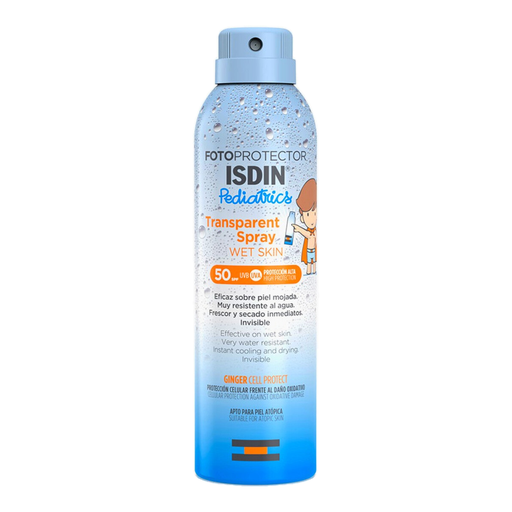
Why this product suits this profile: According to the product information, this spray is suitable for children aged three and over and can be applied to dry or wet skin. The 200-ml size is designed with families and frequent outdoor use in mind.
The age guidance makes clear who the product is intended for. Despite its stated water resistance, you’ll still need to reapply after swimming or towelling off.
SPF50+; 200 ml; according to the supplier, suitable for wet and dry skin and for children aged three and over.
We’ve put together a complete, regularly updated list of products that meet these strict selection criteria and fully comply with the safety regulations in force in the EU.
Use aerosols only in well-ventilated areas. Follow the warnings about flammability, pressurised containers and storage temperature.
Some products are designed for this, according to the manufacturer, such as specialist face sprays. However, avoid spraying directly onto your face. Spray the product into your hand and gently pat it on, if the instructions allow. It can be harder to spread a spray evenly over make-up than a traditional face cream.
Check the printed use-by date, batch code and, where applicable, the symbol showing how long the product can be used after opening. Heat, direct sunlight and storage in a hot car can affect product quality. If the colour, smell or consistency changes, stop using the product.
That depends on the product’s age guidance and instructions for use. Choose a sun spray for children that’s suitable for their age. For babies and toddlers, protective clothing, a hat and shade are also important. Sunscreen doesn’t replace limiting direct sun exposure.