
Lieferung heute & morgen

Qualitätsgarantie

Willkommens-Angebote freischalten: KOSTENLOSE Lieferung | Bis zu 80 % RABATT | Kostenlose 30-Tage-JoyPlus-Testphase
App herunterladen
An SPF 50 sun stick fits into many bags and can be applied without touching it directly with your hands. That makes it a handy choice for topping up your protection during the day, whether you’re out walking, travelling or wearing make-up. However, sun sticks vary considerably in their filter types, feel on the skin, coverage and labelling.
If you only look at the number “50”, you could miss important details. The following criteria can help you assess marketing claims and choose a sun protection stick for your face or complementary lip care to suit your needs.
The SPF rating mainly describes protection against UVB rays, which cause sunburn. For everyday use, it’s also important to look for a stated level of UVA protection. Check for wording such as “UVA/UVB”, the UVA symbol or a relevant statement on the packaging.
A high SPF doesn’t replace proper application, either. The stick needs to be applied generously and evenly. Traditional sun cream is often more practical for large areas of the body, while a sun stick is particularly useful for topping up when you’re out and about.
A mattifying sunscreen can feel comfortable on oily or shiny skin. Dry skin, on the other hand, may find a waxy or powdery texture less comfortable. A mineral sun stick containing zinc oxide may leave visible residue, depending on the formulation.
So check the INCI list, the stated skin type and the product images. Fragrance, certain oils and other ingredients may be relevant if you have sensitive skin. It’s a good idea to test the product on a small, inconspicuous area first.
“Water-resistant” doesn’t mean that protection stays the same after swimming, sweating or towelling yourself dry. The instructions for water-resistant products say to reapply after these activities. You should also top up your sun protection regularly even if you haven’t been in contact with water.
For strong sunshine and longer periods outdoors, SPF 50 or SPF 50+ is a popular choice. Correct, generous application is still essential. Sun sticks can run out quickly when used on the body, as their solid texture often needs to be applied in several strokes.
“Suitable for all skin types” is a general product claim, not a guarantee that it will suit everyone. If you have sensitive skin, check for fragrance, known allergens and the full INCI list.
A sun stick is compact and hygienic to use. However, how long it lasts depends on its size and how much you apply. A 9 ml or 18 g product isn’t automatically better value than a larger stick if you need to reapply frequently.
Lips have their own needs. Lip care with SPF complements facial sun protection, but doesn’t replace it. The Elizabeth Arden sticks supplied with SPF 15 and the Mentholatum Melty Cream Lip with SPF 25 are below SPF 50. Labello Sun Protect SPF 50, on the other hand, is specifically labelled as lip care with SPF 50.
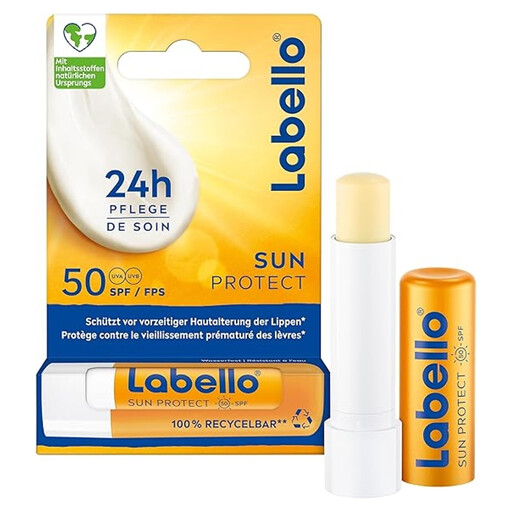
Why it suits this profile: This compact lip balm is ideal if you want straightforward SPF 50 protection for your lips and need to top it up frequently while you’re out and about.
The product details state SPF 50 and advise reapplying after eating, drinking, swimming or sweating. This makes it clear that protection isn’t intended to come from a single application.
4.8 g size, convenient stick format and, according to the product description, protection against UVA and UVB rays.
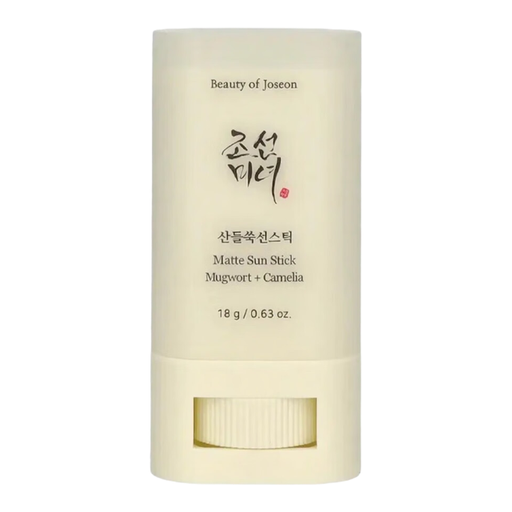
Why it suits this profile: The product description states SPF 50+, UVA/UVB protection and a matt, non-greasy finish. This may make it a good option for topping up protection on your face, even over make-up.
The instructions recommend reapplying every two to three hours and after contact with water or sweat. This helps set realistic expectations: one application isn’t enough.
18 g size, a mattifying finish according to the product description, and a range of stated skincare ingredients.
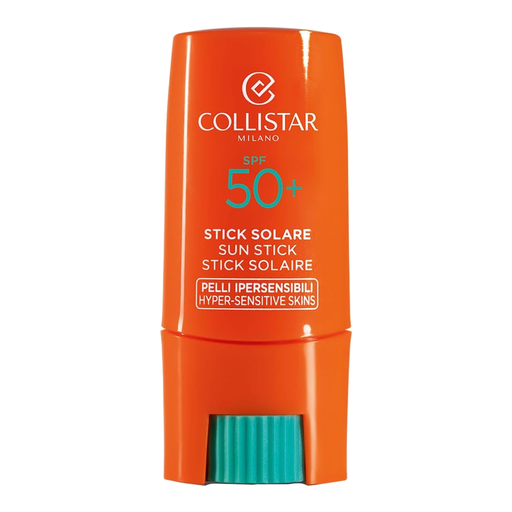
Why it suits this profile: This stick is designed for the face and exposed areas of the body. According to the product description, it’s water-resistant and compact for use on the go.
The directions recommend applying generously and reapplying after swimming or sweating. This makes clear that water resistance doesn’t mean lasting protection.
9 ml size, SPF 50 and a portable stick format, according to the product information provided.
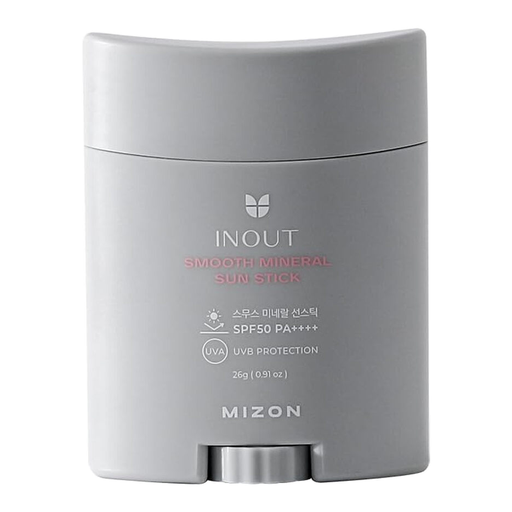
Why it suits this profile: The product description lists zinc oxide as a mineral UV filter. It also states SPF 50+, PA++++ and moisturising ingredients.
You can check the filter type in the ingredients list, so the “mineral” label can be verified against a specific ingredient.
26 g size, zinc oxide in the INCI list and, according to the product description, a fragrance-free vegan formulation.
We’ve put together a comprehensive, regularly updated list of products that meet these strict selection criteria and fully comply with the safety regulations in force in the EU.
Many products are labelled for use on the face. However, check the finish, filter type, fragrance and application instructions. If you have sensitive skin, take particular care to check how well it suits you. Sun cream is usually easier to apply in the right amount over larger areas.
Check the packaging for the specific recommendation. Reapplication is often advised around every two hours, as well as after swimming, sweating or towelling yourself dry. A water-resistant sun stick also needs to be reapplied after contact with water.
Check the best-before date or the period-after-opening symbol. Dispose of the product sooner if its smell, colour, consistency or application changes noticeably. Direct sunlight and high temperatures can affect its texture.