
Lieferung heute & morgen

Qualitätsgarantie

Willkommens-Angebote freischalten: KOSTENLOSE Lieferung | Bis zu 80 % RABATT | Kostenlose 30-Tage-JoyPlus-Testphase
App herunterladen
By the Joybuy Product Recommendation Officer, August 28, 2026
Choosing an SPF 50 sunscreen can be a challenge given the overwhelming array of products and marketing promises. Many formulations fail to deliver, leading to disappointment or skin irritation. This guide will help you identify the key features to look for and avoid common purchasing traps, so you can make an informed decision to protect your skin.
Before we dive into the important parameters, it's helpful to know the most common misconceptions that often lead to the wrong purchase.
To find the right SPF 50 sunscreen, you should consider three core aspects that go beyond pure protection.
The type of UV filter determines how the product works and feels on the skin.
Choosing the right texture is crucial for daily comfort and should be tailored to your skin type.
Modern sunscreen products are often multifunctional, containing active skincare ingredients that address specific skin needs.
Here are some product recommendations tailored to different user profiles and their requirements.

Why This Fits Their Persona: Ideal for those seeking a lightweight, non-irritating sunscreen for daily use. The formula combines high protection with nourishing ingredients like rice extract and probiotics, known for their soothing properties.
Its creamy texture absorbs like a light moisturiser, completely avoiding a white cast. It's free from common irritants, making it well-suited for sensitive skin types.
Delivers SPF50+ PA++++ protection while hydrating without stickiness. The formula strengthens the skin barrier.
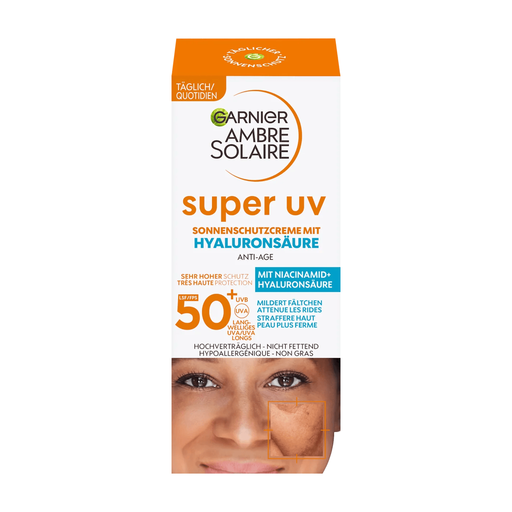
Why This Fits Their Persona: For users who want not only protection but also an active defence against skin ageing. This sunscreen is specially formulated to counteract the signs of premature, sun-induced ageing.
The ultra-light texture absorbs quickly and provides moisture without leaving a greasy or white film, which can be a challenge with many anti-ageing products.
Contains Hyaluronic Acid and Vitamin B3 (Niacinamide) to reduce the appearance of wrinkles and fine lines while intensely hydrating the skin.
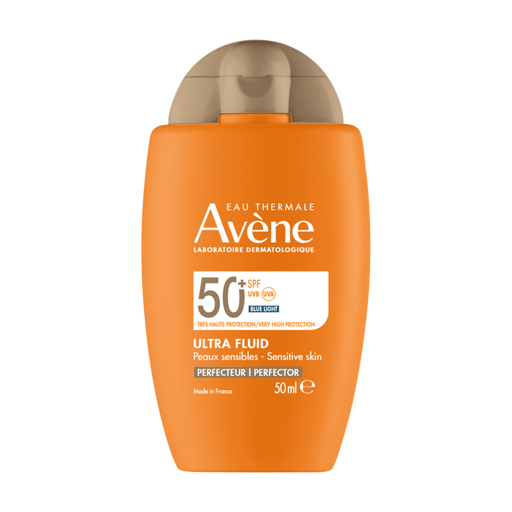
Why This Fits Their Persona: Perfect for anyone who wants to combine high sun protection with an even complexion without using a heavy foundation. Suitable for daily use, even on sensitive skin.
The ultra-light, water-like texture avoids the mask-like feel of many tinted products. Its universal shade adapts to many skin tones, providing a natural finish instead of heavy coverage.
Provides protection against UVB, UVA, and short-wavelength blue light (HEV). The fragrance-free formula is water-resistant and specially designed for sensitive skin.
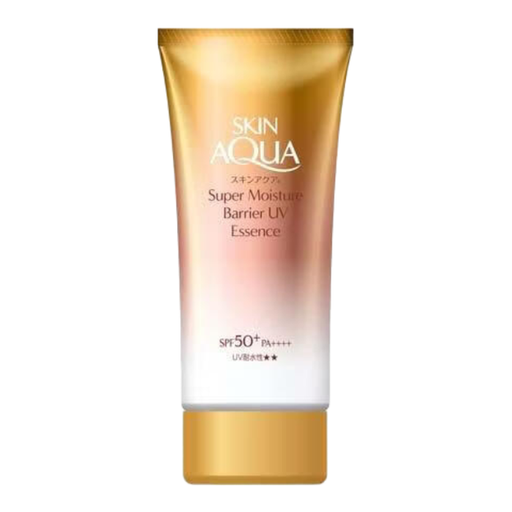
Why This Fits Their Persona: Engineered for high durability under extreme conditions. Ideal for athletes or anyone who spends a lot of time outdoors and needs reliable, sweat-resistant protection.
Countering the "waterproof" illusion, this product offers high water resistance and a special "Barrier Fit Formula" that adheres well even to sweaty skin, maintaining protection longer than conventional products.
Forms a smooth, moisturising UV protection film that adheres firmly to the skin. The lavender colour also corrects a dull skin tone for a fresh, brightened look.
We've compiled a complete, up-to-date list of products that fully meet these strict selection criteria and UK/EU safety regulations.
1. How much sunscreen should you use on your face? A common and practical guideline is the two-finger rule. Dispense two strips of sunscreen onto your index and middle fingers. This amount is generally sufficient to completely cover your face and neck to achieve the sun protection factor stated on the packaging. Applying too little significantly reduces the level of protection.
2. Do you need to apply SPF 50 sunscreen on cloudy days? Yes, absolutely. Up to 80% of UV radiation can penetrate clouds. UVA rays, which are a major contributor to skin ageing, are present all year round, even when it's overcast. Daily broad-spectrum protection with a high SPF is therefore one of the most important measures for preventing skin damage.
3. Can sunscreen expire, and is it still effective? Yes, sunscreen products have an expiry date. After opening, you will also find an open jar symbol (PAO - Period After Opening) on the packaging with an indication like "12M". This means the product is good for 12 months after opening. After this period, the effectiveness of the UV filters can diminish, and the stated protection is no longer guaranteed. Therefore, do not use expired products.