
Lieferung heute & morgen

Qualitätsgarantie

Willkommens-Angebote freischalten: KOSTENLOSE Lieferung | Bis zu 80 % RABATT | Kostenlose 30-Tage-JoyPlus-Testphase
App herunterladen
SPF 50 sunscreen is part of many people’s daily skincare routine. However, a high sun protection factor doesn’t automatically mean you’ve made the right choice. Texture, filter type and application instructions are often only considered once the cream starts pilling under make-up, leaves a white cast or rubs off when you sweat.
This buying guide explains which details on the packaging really matter and which products may suit different skin types and everyday situations.
The SPF rating mainly describes protection against UVB rays, which are associated with sunburn, among other things. For everyday use, it’s also important to look for a stated UVA protection rating. Check for labels such as ‘UVA in a circle’, ‘Broad Spectrum’ or, on Korean products, PA++++.
SPF 50+ sunscreen also doesn’t provide unlimited protection from UV rays. The amount you apply, how evenly you spread it and how often you reapply all have a significant effect on how well it protects you.
A lightweight sunscreen may suit oily or blemish-prone skin, while dry skin may benefit from a moisturising sunscreen with skin-conditioning ingredients. On the other hand, rich formulas can look shiny on oily skin or shift under make-up.
So if you’re looking for SPF 50 face sunscreen, consider more than just the sun protection factor. Pay attention to the finish, alcohol and fragrance information, and how your skin responds.
Terms such as ‘clean’, ‘natural’, ‘reef-safe’ or ‘hypoallergenic’ shouldn’t be judged in isolation. Check the full ingredients list on the packaging. Mineral sunscreen can also contain plant extracts, fragrance or other ingredients that not everyone’s skin tolerates equally well.
If you have sensitive skin or are prone to redness, it’s a good idea to test the product on a small area before applying it more widely. Stop using it if irritation occurs.
SPF 50 and SPF 50+ indicate a high level of UVB protection under the applicable testing methods. For everyday sun protection, you should also look for a stated UVA protection rating. Korean sunscreens often carry the PA++++ label, which refers to UVA protection under the rating system commonly used there.
Important: no sunscreen makes it safe to stay in intense sunshine for longer without limits. Shade, clothing and avoiding the strongest midday sun are still sensible ways to protect yourself.
Mineral sunscreen typically uses filters such as zinc oxide or titanium dioxide. It may appeal to people who want to avoid certain chemical UV filters. Depending on the formula, however, it can leave a whitish film. Modern textures aim to reduce this white cast, but the result can still vary on darker skin tones or if the sunscreen isn’t spread evenly enough.
Chemical filters often allow for a light, transparent texture. If you’re looking for sun protection without a white cast or a sunscreen to wear under make-up, you’ll often find suitable options in this category. Your skin’s individual tolerance and the manufacturer’s information still matter.
You need to apply enough product to your face and neck. A useful guide is around two finger lengths for your face and neck. Apply sunscreen as the final step in your morning skincare routine and, before spending time in strong sunshine, follow the instructions for use.
Reapply after sweating, swimming, drying yourself or spending a long time outdoors. Even water-resistant products lose some of their protective film through friction and contact with towels.
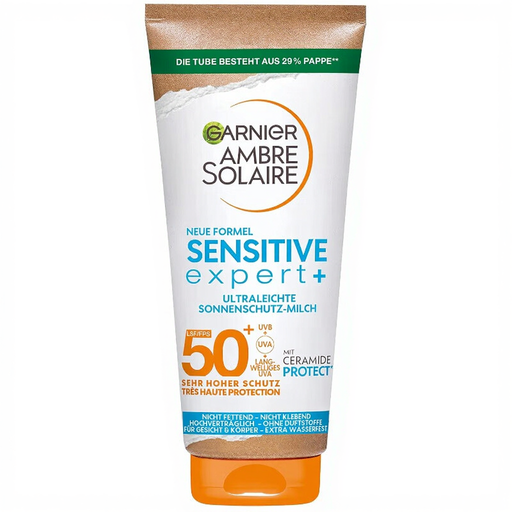
Why this product suits this profile: The 175 ml size is designed for regular use on your arms, legs and upper body. According to the product description, this lightweight sun lotion is aimed at fair and sensitive skin.
The larger body-care format means you won’t quickly run out of a small tube of face cream when applying sunscreen over a larger area.
SPF 50+, 175 ml, a fast-absorbing milky texture and, according to the supplier, a non-sticky feel on the skin.

Why this product suits this profile: This Korean sunscreen combines SPF 50+, PA++++ and a creamy texture that’s described as lightweight, making it suitable for everyday facial skincare.
The stated UVA and UVB ratings make it easier to look beyond the SPF number alone.
SPF 50+ PA++++, rice and fermented grain extracts, and a finish that, according to the supplier, feels like a lightweight moisturiser.
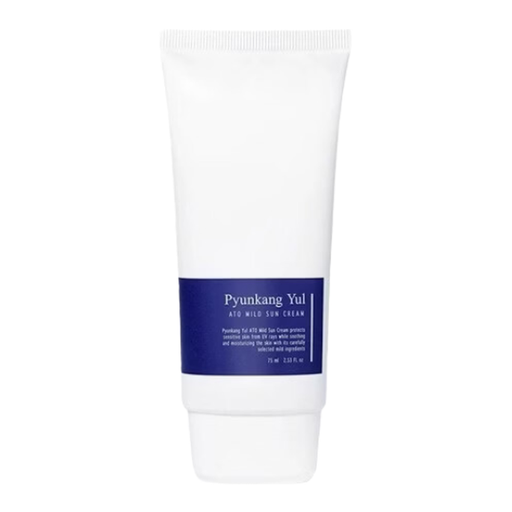
Why this product suits this profile: According to the product description, the ATO range is designed for sensitive and dry skin, including skin prone to atopic conditions. It can be used as the final step in your morning skincare routine.
The description highlights a lightweight, non-greasy texture with less visible white residue. Even so, you should check how well your skin tolerates it.
SPF 50 PA++++, 75 ml and designed with sensitive and dry skin in mind.
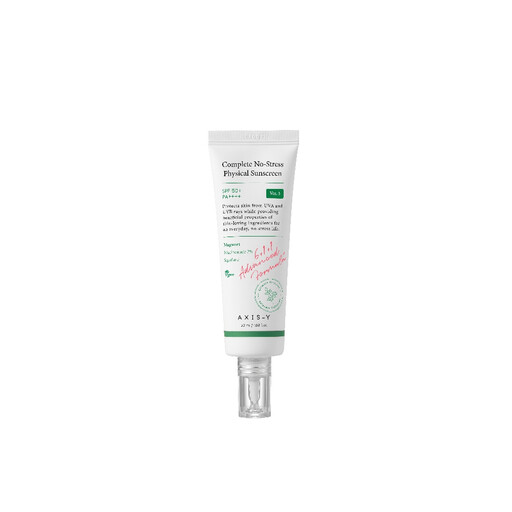
Why this product suits this profile: According to the product information, this mineral sunscreen is zinc oxide-based. It may appeal to people looking for a physical UV filter and a formula to wear under make-up.
The product description specifically mentions a non-chalky texture and reduced white cast. It’s still important to apply it in thin, even layers.
Zinc oxide-based, SPF 50 PA++++, described as vegan, and 50 ml.
We’ve put together a comprehensive, regularly updated list of products that meet these strict selection criteria and fully comply with the safety regulations in force in the EU.
Check the printed best-before date or the open-jar symbol, which shows the recommended period of use after opening. Heat, direct sunlight and frequent opening can also affect the formula. Stop using the product if its smell, consistency or colour changes.
If you’re spending a long time in the sun, regular reapplication is a good idea, especially after swimming, heavy sweating or drying yourself with a towel. Reapplying doesn’t fully restore the amount you originally applied, but it helps maintain a more even protective film.
That depends on the texture, how you apply it, and the skincare and make-up products you use. Lightweight, fast-absorbing formulas are often easier to layer. Leave a short pause between skincare steps and spread the sunscreen without rubbing too hard. If you have sensitive skin, test new products on a small area first.