
Lieferung heute & morgen

Qualitätsgarantie

Willkommens-Angebote freischalten: KOSTENLOSE Lieferung | Bis zu 80 % RABATT | Kostenlose 30-Tage-JoyPlus-Testphase
App herunterladen
An SPF 50 sunscreen should provide reliable protection from UVA and UVB rays every day, without feeling sticky or pilling under make-up. Choosing the right one isn’t always straightforward, though. Many products promise an ‘invisible finish’, ‘soothing care’ or ‘water-resistant protection’, but these features won’t be equally practical for every skin type or situation.
SPF 50 describes the level of protection against UVB rays under standardised testing conditions. Applying too little product reduces the protection you actually get. Apply sunscreen generously and evenly to your face, neck and ears. If you’ll be outdoors for a long time, reapply regularly – especially after sweating, swimming or drying yourself with a towel.
A mineral sunscreen containing zinc oxide or titanium dioxide may appeal to some people. However, depending on the formula, mineral filters can leave visible residue. If you’re looking for a lightweight sunscreen with no white cast, consider not just the type of filter, but also the texture, how easily it spreads and your skin tone.
A formula may contain niacinamide, aloe, centella, hyaluronic acid or green tea. That doesn’t automatically mean it will have a particular cosmetic effect for everyone. What matters is the information on the packaging, how well the ingredients suit your skin and the stated level of protection. If you have sensitive skin, try the product on a small area first.
SPF 50 or SPF 50+ relates mainly to UVB protection. For everyday protection from UVA rays, also look for a clear UVA rating. Korean and Japanese cosmetics often use PA++++ to indicate a product’s UVA protection category. SPF and PA ratings aren’t an invitation to spend longer in the sun.
For your daily commute, a face sunscreen with a comfortable finish may be all you need. For the beach, sport or walks, claims about sweat and water resistance become more relevant. ‘Water-resistant’ doesn’t mean protection stays intact after swimming. Reapply water-resistant sunscreen after being in the water, sweating heavily or drying yourself off.
A Sun Stick SPF 50 is handy when you’re out and about, but it can be easy to apply unevenly if you use it on its own. For reliable base coverage, use a traditional cream; you can use the stick to top up your protection. If you’re looking for products for your face, explore more options in the face sun stick category.
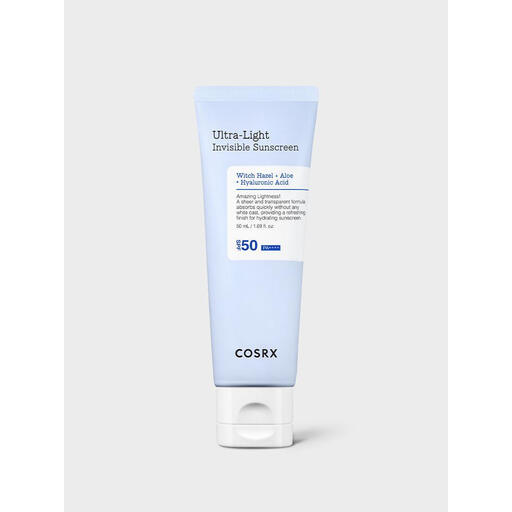
Why it suits this profile: According to the product description, this lightweight face formula offers SPF 50 PA++++ and a transparent finish. It’s a good fit if you’re looking for an easy-to-use Korean sunscreen for your face and neck.
The product information describes a lightweight, non-sticky texture that leaves no visible white residue. Even so, test it first to make sure it suits you before applying it more widely.
SPF 50 PA++++, aloe, niacinamide, panthenol and sodium hyaluronate, according to the product information.
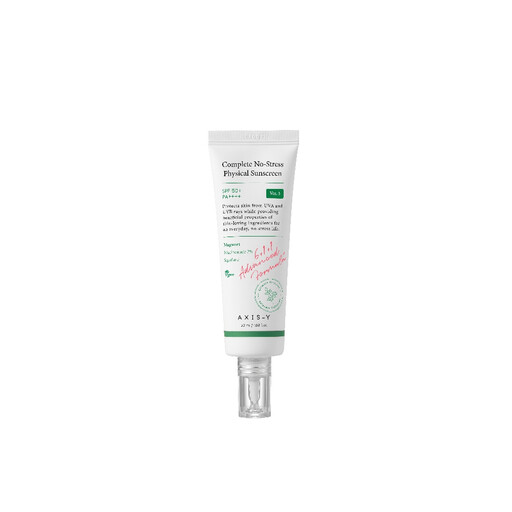
Why it suits this profile: According to the product information, this physical sunscreen for the face is based on zinc oxide and offers SPF 50 PA++++. It’s designed for people who prefer mineral sun protection.
The product description highlights its non-chalky texture. With mineral formulas, though, how it looks once spread over your skin tone still matters.
Zinc oxide, a fragrance-free formula, plus niacinamide, squalane and hyaluronate, according to the product description.
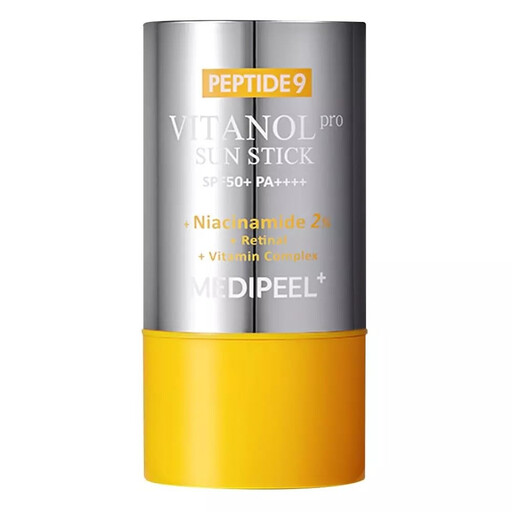
Why it suits this profile: The stick format is designed for travel, commuting and topping up your protection on the go. According to the product information, it offers SPF 50+ and contains peptides.
Its compact design makes it easy to reapply. For an even base layer of protection, apply generously and make several passes over every exposed area.
No-mess application, compact packaging and SPF 50+, according to the product description.
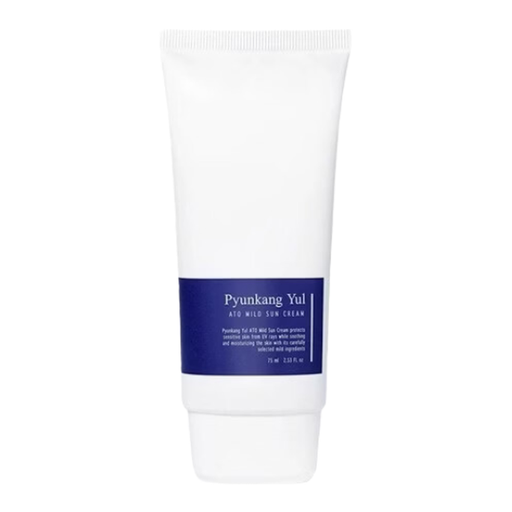
Why it suits this profile: According to the product description, the ATO range is designed for sensitive and dry skin. Its lightweight texture is intended for everyday use on the face.
This choice focuses on skin compatibility and comfortable application rather than extra marketing claims. Check the INCI list against your individual needs before buying.
SPF 50 PA++++, a 75 ml size and a formula designed for sensitive, dry skin, according to the product information.
We’ve put together a complete, regularly updated list of products that meet these strict selection criteria and fully comply with the safety regulations in force in the EU.
If you’re in the sun for an extended period, reapply approximately every two hours. Reapply after swimming, heavy sweating or drying yourself off. The level of protection also depends on how much you use and how evenly you apply it.
Light gel, fluid or essence textures are often practical under make-up. Products such as Ultra-Light Invisible Sunscreen and Anua Heartleaf Silky Moisturizing Sunscreen are described in their product information as having a lightweight finish and being easy to spread. Let your sunscreen sink in briefly before applying make-up to help reduce pilling.
Check the printed best-before date and the PAO symbol on the packaging. Heat, direct sunlight and frequently opening the product can affect the formula. Store sunscreen in a cool, dry place and make sure it’s tightly closed. If its smell, appearance or feel on your skin has changed, don’t use it.