
Lieferung heute & morgen

Qualitätsgarantie

Willkommens-Angebote freischalten: KOSTENLOSE Lieferung | Bis zu 80 % RABATT | Kostenlose 30-Tage-JoyPlus-Testphase
App herunterladen
SPF 50 sunscreen can be a good choice if your skin is exposed to intense UV rays, reacts quickly or needs particularly high protection from UVB rays. But the range can be overwhelming: facial sunscreen, sun lotion, mineral sunscreen, sun oil and sun spray all differ in their filters, texture and how you apply them.
Three common buying mistakes often lead to the wrong choice:
SPF 50 indicates a high level of UVB protection. UVB rays are a major cause of sunburn. The product should also display a clear UVA claim, such as the UVA symbol in a circle or equivalent labelling on the packaging. UVA rays penetrate deeper into the skin and play a part in long-term sun-related skin changes.
SPF 30 sunscreen may be enough for many everyday situations, provided you apply it generously and correctly. For longer periods outdoors, fair skin or intense sunshine, SPF 50 sunscreen may be a better choice.
Mineral sunscreen typically uses filters such as zinc oxide or titanium dioxide. According to the product information, Axis-Y Complete No-Stress Physical Sunscreen V3 contains zinc oxide and is described as a vegan, fragrance-free facial sunscreen. Other products use organic UV filters or combine different filter systems.
If you have sensitive skin, check the full INCI list. Things to look out for include:
A good product description can’t replace an individual patch test. When trying a new product, it’s best to start with a small amount on an inconspicuous area of skin.
Light fluids and gel textures are often easier to wear under make-up on your face. Non-greasy sunscreen may feel more comfortable on oily or blemish-prone skin, while richer sun lotion or sun oil may suit dry skin on the body.
Sun spray is quick to apply over larger areas of the body. For your face, however, unless the manufacturer specifically says otherwise, spray the product into your hands first and then apply it. As a guide, around 30 millilitres per application is recommended for an adult’s whole body. You’ll need to reapply, especially after swimming, sweating or towelling yourself dry.
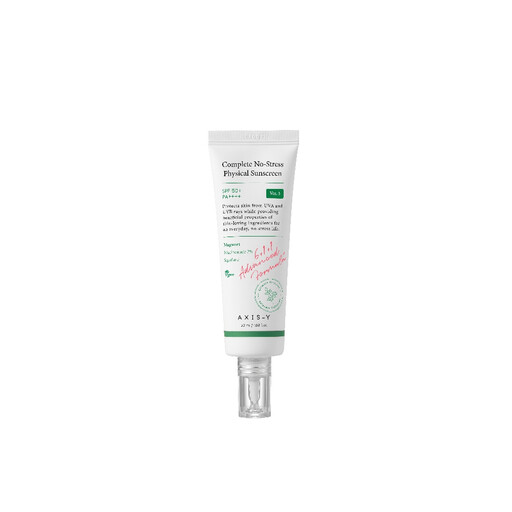
Why it suits this profile: According to the product information, this 50 ml facial sunscreen combines SPF 50, PA++++ and zinc oxide with a light gel texture for everyday use.
The product description says it applies without a chalky feel or visible white residue, and that the formula is fragrance-free.
Zinc oxide, niacinamide, squalane and sodium hyaluronate are listed in the INCI ingredients; the product is designed for the face and can be used as a make-up base.
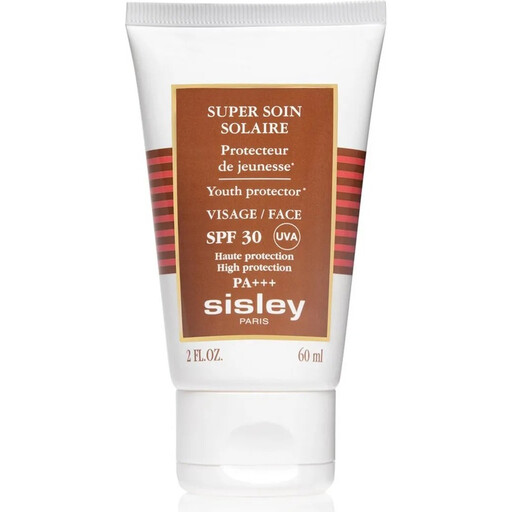
Why it suits this profile: According to the product information, this facial sunscreen offers SPF 30, UVA and UVB protection, and a velvety, non-greasy texture.
The product information says it absorbs quickly and leaves no white residue. However, make sure SPF 30 is suitable for the amount of time you plan to spend in the sun.
60 ml of product, with camellia oil, mango fruit extract and shea butter listed among the ingredients; the stated texture is designed for everyday facial skincare.
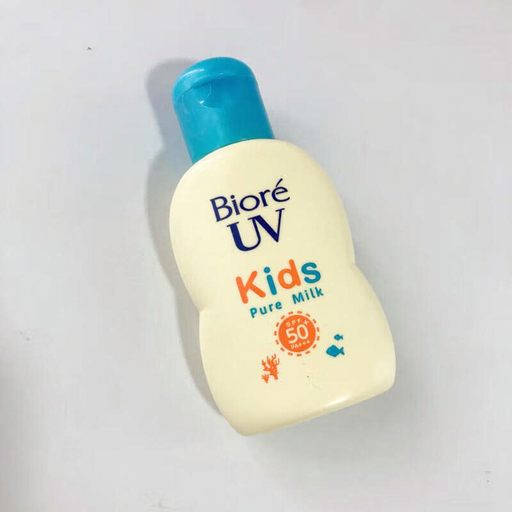
Why it suits this profile: According to the product information, this mineral sunscreen is intended for children aged two and over, with SPF 50+ and high resistance to water, sweat and rubbing.
The label states the intended age range and lists zinc oxide and titanium dioxide as filters. Check with a healthcare professional before using it on children under two.
70 ml of product, with a claim that it is free from fragrance, alcohol and colourants, plus mineral filters; the bottle should be shaken before use.
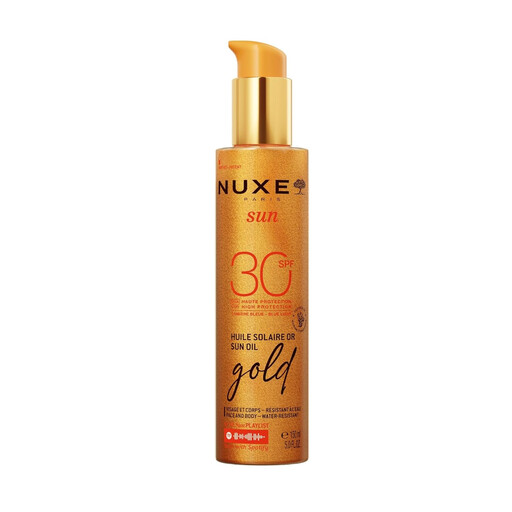
Why it suits this profile: According to the product information, this water-resistant sun oil is designed for the face and body and offers SPF 30 with a glossy finish.
The label states that it is water-resistant and intended for use on the body and face. For your face, dispense the oil into your hands first.
150 ml of product, a non-comedogenic claim, and UVA, UVB and blue-light protection according to the product description; fragrance and declared allergens are listed.
For many people, SPF 50 facial sunscreen can be a good everyday choice, particularly if you spend a long time outdoors or have sensitive, fair skin. The key things are a comfortable texture, using enough product and choosing one with stated UVA protection. If you spend most of your day indoors and only go outside briefly, SPF 30 sunscreen may also be suitable.
Check the printed best-before date and the PAO symbol, which may show, for example, 12M to indicate 12 months after opening. Heat, direct sunlight and opening the product frequently can affect its quality. Always follow the information on the packaging.
Yes. “Water-resistant” means the product offers limited resistance under defined conditions; it doesn’t mean it provides complete protection after bathing. Reapply sunscreen generously after swimming, towelling yourself dry or sweating heavily.