
Lieferung heute & morgen

Qualitätsgarantie

Willkommens-Angebote freischalten: KOSTENLOSE Lieferung | Bis zu 80 % RABATT | Kostenlose 30-Tage-JoyPlus-Testphase
App herunterladen
SPF 50 sunscreen should fit easily into your daily routine. It shouldn’t feel sticky, pill under make-up or be difficult to reapply when you’re out and about. Products can also vary considerably in their UV filters, texture, finish, fragrance and feel on the skin. A high SPF alone doesn’t tell you whether a formula is right for your skin or how you plan to use it.
The SPF rating mainly indicates protection against UVB rays, which are associated with sunburn. UVA protection matters too, even in everyday life. Korean and Japanese sunscreens often carry the PA++++ rating. This indicates a high level of UVA protection under the relevant Asian rating system, but it isn’t directly equivalent to every European rating.
So, when choosing products for the German market, look for a clear UVA rating and apply plenty of sunscreen. A thin layer reduces the level of protection stated on the packaging.
A lightweight sunscreen may absorb quickly and feel comfortable, but it may also contain alcohol, fragrance or cooling ingredients. These can feel uncomfortable for some people. If you’re looking for sun protection for sensitive skin, it’s worth checking the full INCI list.
Plant extracts aren’t automatically gentle either. Try a new product on a small area of skin first, and stop using it if you experience redness, stinging or itching.
An SPF 50 sun stick is handy for your nose, cheeks and ears, or for topping up when you’re out and about. However, its solid texture can make it tempting to apply too sparingly. For your first application to your face and body, lotion or cream is usually easier to spread evenly. A stick is best used as an extra.
Check whether the product is intended for your face, body or both. SPF 50 face sunscreen is often formulated to feel lighter and may offer additional skincare or make-up benefits. Larger bottles or sprays are more practical for your body.
SPF 50 or SPF 50+ indicates the level of UVB protection according to the relevant product testing. PA++++ is an additional UVA rating, most commonly found on Asian products. Reapply after swimming, sweating or towel-drying, even if a product is advertised as water-resistant.
The best choice depends on your skin type and daily routine:
Check for fragrance, alcohol and cooling ingredients such as menthol if your skin is sensitive to them. If you’re prone to blemishes, a product labelled non-comedogenic may be worth considering, although this isn’t a guarantee that it will suit everyone.
The product description should also provide clear guidance on how much to apply, how long the product lasts and how to store it. Don’t leave sunscreen in direct sunlight or excessive heat for long periods, and check the best-before date or the symbol showing how long it can be used after opening.
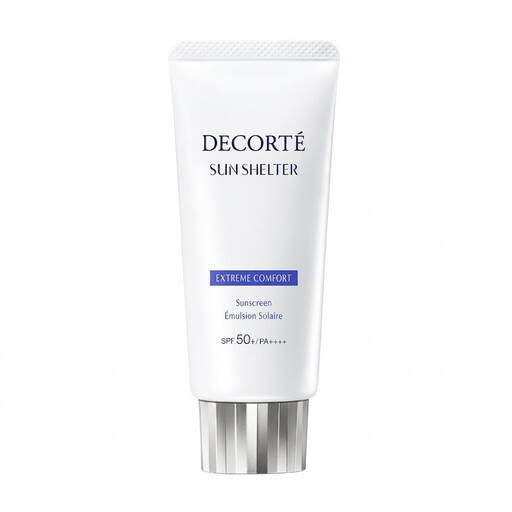
Why it suits this profile: This Japanese sunscreen is for anyone looking to protect their face and neck as the final step in their morning skincare routine.
The instructions specifically say to shake the bottle and apply the lotion evenly. This helps prevent patchy coverage from a liquid formula.
SPF 50+ and PA++++; according to the product details, it contains glycerin, a vitamin E derivative and rosemary extracts.
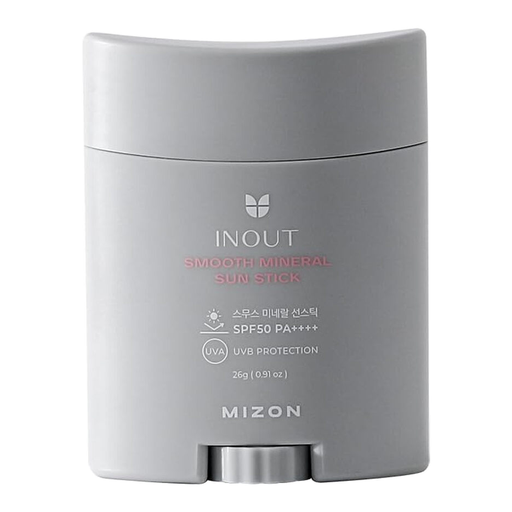
Why it suits this profile: This compact SPF 50 sun stick is designed for topping up protection on exposed areas and for use on the go.
The stick makes it easy to top up without touching the product with your hands. For your first full layer, though, make sure you apply enough and spread it evenly.
Mineral zinc oxide filter, 26 g size, plus hyaluronic acid and shea butter, according to the product description.
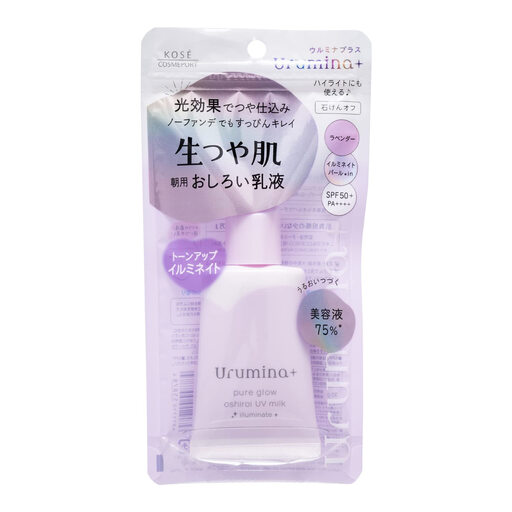
Why it suits this profile: This tinted sunscreen has a lilac tone and is designed to work as a make-up base, highlighter or radiant finishing touch.
The product description gives the recommended amount to apply and warns that using too little may reduce protection.
SPF 50+ and PA++++; according to the supplier, it’s designed for use as a primer or highlighter.
We’ve put together a complete, regularly updated list of products that meet these strict selection criteria and fully comply with the safety regulations in force in the EU.
Apply plenty of sunscreen to your face, neck and all exposed areas of your body. If you’ll be spending a long time in the sun, reapply regularly, especially after exercising, swimming, sweating or towel-drying. If you’re wearing make-up over sunscreen, let the sunscreen absorb fully before applying other products.
Take extra precautions for children, babies and anyone with a skin condition. Avoid prolonged exposure to intense direct sunlight, and seek dermatological advice if you have an existing skin problem.
A useful rule of thumb is around two finger lengths for your face and neck. The key is to apply a generous, even layer. It’s harder to judge how much you’re applying with a sun stick, so use several even passes.
Check the printed expiry date and the PAO symbol, such as “12M”, which means 12 months after opening. If the smell, colour or texture changes, stop using the product. Heat and direct sunlight can also affect how well it keeps.
Yes, as long as the texture works well with your other skincare and make-up products. Lightweight fluids, gel creams and formulas designed to work as primers are less likely to pill. Let each layer absorb briefly, and still apply enough sunscreen for effective protection.