
Lieferung heute & morgen

Qualitätsgarantie

Willkommens-Angebote freischalten: KOSTENLOSE Lieferung | Bis zu 80 % RABATT | Kostenlose 30-Tage-JoyPlus-Testphase
App herunterladen
An SPF 50 sunscreen can be a useful choice for everyday wear, exercise and holidays. But choosing a product involves more than just looking at the number on the packaging. Texture, UVA labelling, water exposure and the amount you apply all affect how well a sunscreen suits your skin type and daily routine in practice.
SPF mainly indicates protection against UVB rays, which are associated with sunburn, among other things. For everyday sun protection, you should also look for clearly stated UVA protection. In the EU, the UVA symbol inside a circle on the packaging can be a useful guide. Korean products often carry the PA++++ rating. Check this against the information on the product label.
Even with SPF 50+, shade, clothing, a sun hat and avoiding the strongest midday sun remain important. A high sun protection factor does not mean you can spend unlimited time in the sun.
A water-resistant sunscreen can be more practical when swimming or sweating heavily. However, water resistance only lasts for a limited time. Reapply after drying off, swimming or sweating heavily. If a product gives a specific time, such as 80 minutes of water resistance according to the product description, don’t mistake this for lasting protection.
A lightweight sunscreen feels comfortable on the skin, but you still need to apply enough. The so-called two-finger method is often used as a practical guide for the face; you’ll need more product to cover your face and neck. Applying too little sunscreen reduces the protection you actually get, whatever the SPF on the packaging says.
For everyday use, choose a product that states it protects against both UVB and UVA rays. SPF 50 or SPF 50+ is a suitable level of protection for many people who spend time outdoors regularly. Careful application is especially important if you have sensitive or very fair skin, or if you’re exposed to intense UV radiation.
A face formula is not necessarily designed for the body. For larger areas, sun milk, sun spray or lotion is usually more practical. An SPF 50 sun stick is best suited to topping up protection on small, exposed areas. Its solid texture can make it tempting to apply too few strokes.
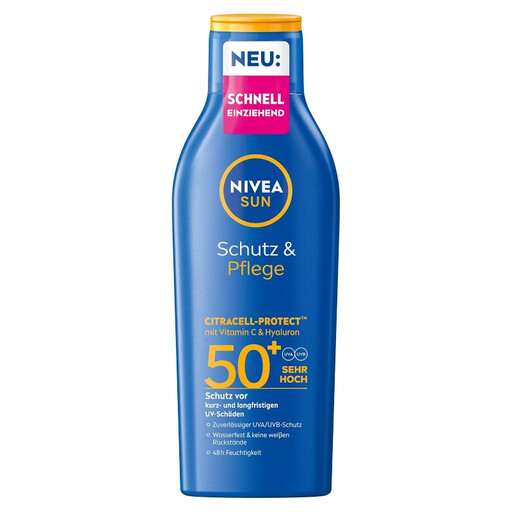
Why this product suits this profile: The 200 ml size is designed for regular use on larger areas of the body. The lotion can be a practical option for family outings and everyday body protection.
The larger bottle makes it easier to apply enough product. Even so, the stated SPF 50+ shouldn’t tempt you to use less or reapply less often.
SPF 50+, 200 ml and, according to the product description, a fast-absorbing lotion that leaves no white residue.
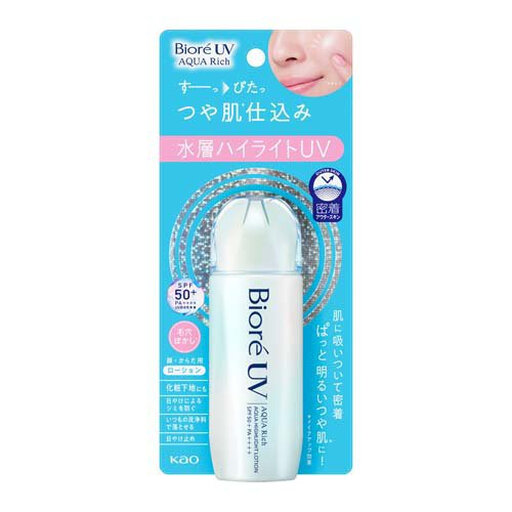
Why this product suits this profile: For the beach, exercise and longer periods outdoors, a face and body formula with stated water resistance is worth considering.
The product description states that it is water-resistant for 80 minutes. This specific information can help you plan, but it doesn’t replace reapplication after drying off.
SPF 50+, PA++++, suitable for the face and body, and water resistance tested for 80 minutes, according to the description.
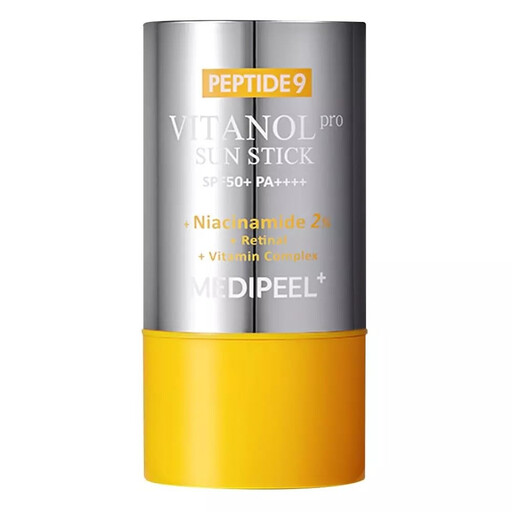
Why this product suits this profile: The stick format fits in a handbag or rucksack and lets you top up without touching the product with your hands.
Its compact format makes it easier to top up regularly. For your first application, glide the stick evenly over every exposed area several times.
SPF 50+, stick format, a lightweight, non-greasy formula according to the product description, and peptides in the INCI list.
We’ve put together a complete, regularly updated list of products that meet these strict selection criteria and fully comply with the safety regulations in force in the EU.
Apply the product evenly as the last step in your morning routine, before heading outdoors. Reapply regularly if you’re exposed to UV rays for extended periods. Avoid the eye area and any broken or irritated skin. Stop using the product if you experience redness, itching or any other reaction.
Store sunscreen in a cool, dry place away from direct sunlight. Check the expiry date, batch number and current INCI list on the packaging. Formulas can change, so always refer to the product packaging when making your final purchase decision.
In general, you can choose SPF 50 for everyday use on your face and body. The key is to choose a suitable texture, apply enough and reapply regularly. If you have sensitive skin, check the full ingredients list and test the product on a small area of skin first.
You’ll find the exact shelf life on the packaging, often as a best-before date or a symbol showing how long the product can be used after opening. Heat, direct sunlight and opening the product frequently can affect its quality. If the colour changes, it develops an unusual smell or the texture separates, stop using it.
An SPF 50 sun stick can make it easier to top up your protection when you’re out and about. For your first application, cream or lotion is often easier, as it lets you apply an even amount over larger areas. With a stick, it’s particularly important to make several even passes and cover all exposed skin.