
Lieferung heute & morgen

Qualitätsgarantie

Willkommens-Angebote freischalten: KOSTENLOSE Lieferung | Bis zu 80 % RABATT | Kostenlose 30-Tage-JoyPlus-Testphase
App herunterladen
An SPF 50 sunscreen spray is quick to apply and can reach areas of the body that are hard to get to. However, convenient packaging doesn’t automatically mean you’ll get enough sun protection. Common buying mistakes include applying too little, misjudging how water-resistant a product is, or choosing one that isn’t intended for use on the face.
This guide explains which details on the packaging matter and which SPF 50 sun protection spray may suit different everyday situations.
A transparent sun spray leaves fewer visible marks. However, it can be harder to tell whether every area of skin has been covered sufficiently. It’s easy to miss patches, particularly on your shoulders, back, ears, neck and legs. Apply the spray evenly, then rub it in with your hands if the manufacturer recommends doing so.
The term water-resistant doesn’t mean a product will stay effective indefinitely. Swimming, sweating, drying yourself and friction all reduce its protection. You’ll therefore need to reapply water-resistant sunscreen regularly. A product for wet and dry skin can be handy for children at the beach or outdoor pool, but you’ll still need to reapply it.
Aerosols may contain alcohol, fragrance or propellants. Don’t spray them directly onto your face or inhale them. To apply a product to your face, spray it into your palms or onto a cotton pad first, then spread it over your skin. If you want to apply sun spray over make-up, choose a formula specifically designed for this purpose.
SPF 50 mainly refers to protection against UVB rays, which are one of the causes of sunburn. The packaging should also state that the product offers full UVA-UVB protection. Look for a clear indication of UVA protection, such as the UVA symbol in a circle or relevant information from the manufacturer.
No sunscreen can guarantee complete protection from UV radiation. Apply plenty of product, wear protective clothing and a hat, and continue to avoid the strongest midday sun.
A high sun protection factor only works when you apply enough product. It’s harder to judge the right amount with a spray than with a cream. Don’t just give your skin a quick spritz: cover every exposed area evenly and spread the product carefully.
Reapply, especially after swimming, sweating or drying yourself. Follow the instructions on the packaging. Adults should apply sunscreen to children and check sensitive areas such as the ears, neck and tops of the feet.
If you have sensitive or allergy-prone skin, fragrance-free, alcohol-free or hypoallergenic products may be worth considering. However, these labels don’t guarantee that a product will suit you. If you know your skin is sensitive, check the full INCI list and look out for potential fragrances. It may be helpful to test the product on a small area of skin first.
Aerosols also require extra care: don’t use them near flames or hot surfaces, don’t deliberately inhale them, and only use them in well-ventilated areas. Pump sprays are often easier for families to use, while aerosols make it quick to cover hard-to-reach areas.
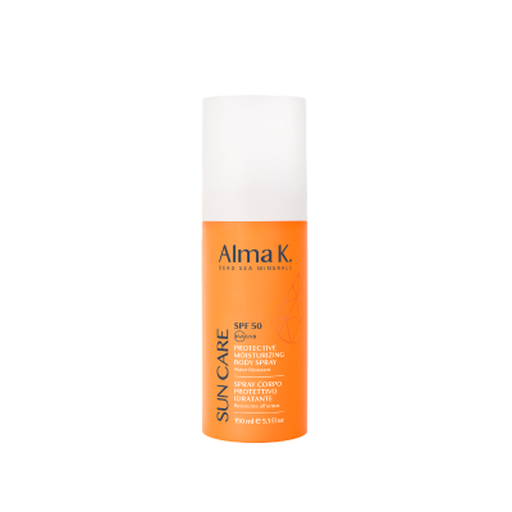
Why this product suits this profile: This body spray is designed for easy application all over the body and, according to the supplier, absorbs quickly. The product information states that it offers UVA/UVB protection with SPF 50.
The body spray label makes it clear what the product is intended for. Check the packaging instructions before using it on your face.
SPF 50, spray format and, according to the product description, a light, non-greasy texture for the body.
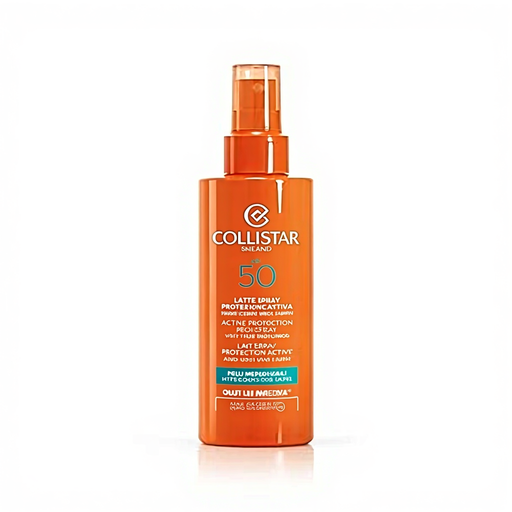
Why this product suits this profile: According to the product information, this milky spray is designed for the face and body, is water-resistant, and is free from fragrance, colourants, silicones and alcohol.
The stated product features make it easier to choose if you have sensitive skin. However, you’ll still need to reapply after drying yourself because the product is water-resistant.
200 ml size, SPF 50, milky texture and, according to the supplier, suitable for the face and body.
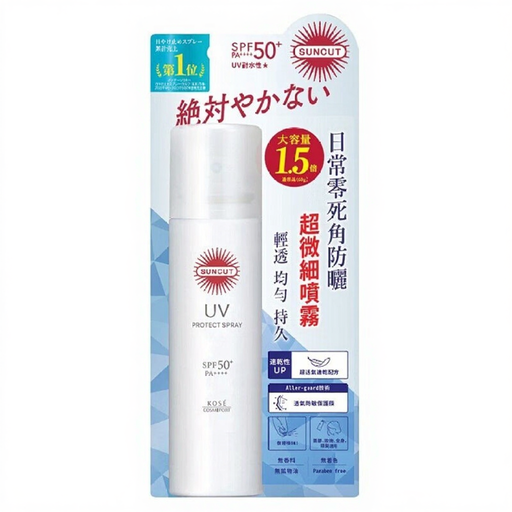
Why this product suits this profile: According to the product description, this transparent spray is designed for hard-to-reach areas, hair and use over make-up. For the face, applying it with your hands is recommended.
The instruction not to spray directly onto your face helps reduce the risk of inhalation and eye contact. Follow the safety instructions for aerosols.
SPF 50+, PA++++, a transparent finish and, according to the supplier, water resistance and suitability for use over make-up.
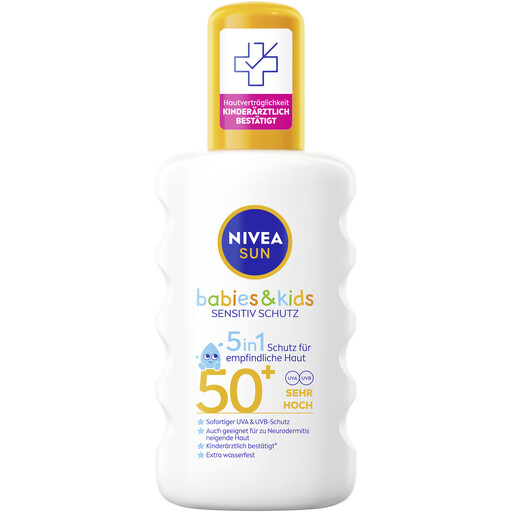
Why this product suits this profile: According to the manufacturer, this fragrance-free sun spray is suitable for children aged six months and over and is extra water-resistant. The supplier states that its skin compatibility has been dermatologically and paediatrically tested.
The age recommendation and fragrance-free formula make it easier to choose. As with any sunscreen, applying enough and reapplying regularly are essential.
200 ml pump spray, SPF 50, fragrance-free formula and, according to the manufacturer, suitable for children’s sensitive skin.
We’ve put together a complete, regularly updated list of products that meet these strict selection criteria and fully comply with the safety regulations in force in the EU.
Check the best-before date printed on the packaging and the symbol showing how long the product can be used after opening. Store it in a cool, dry place away from direct sunlight. If the colour, smell or texture changes, stop using it.
Only if the product information says it’s suitable for use on the face. As a rule, don’t spray products directly onto your face. Spray the product into your hands first, and avoid the eye area and mucous membranes.
Adults can also use a children’s product, provided the SPF, instructions and skin compatibility are suitable. A standard adult sun spray isn’t automatically suitable for children. Always check the age recommendation, ingredients and packaging instructions.