
Lieferung heute & morgen

Qualitätsgarantie

Willkommens-Angebote freischalten: KOSTENLOSE Lieferung | Bis zu 80 % RABATT | Kostenlose 30-Tage-JoyPlus-Testphase
App herunterladen
An SPF 50 sunscreen spray is quick to apply and can reach your back, shoulders and legs without too much rubbing. Even so, a sunscreen spray isn’t automatically the right choice for every situation. Check the stated SPF, UVA and UVB protection, directions for use, and whether the product is suitable for your skin type and how you plan to use it.
A fine mist may seem convenient, but it can be easy to apply too thinly, leaving some areas of skin unprotected. With a transparent UV protection spray in particular, it can be hard to tell whether you’ve applied enough.
Practical tip: Apply the sunscreen spray from the recommended distance, then spread it over your skin with your hands. Don’t spray an aerosol directly towards your eyes, nose or mouth. For your face, spray some product into your palms first.
A water-resistant sunscreen spray won’t protect you indefinitely after swimming, towelling off or sweating heavily. Water-resistant simply means the formula stays on your skin for longer under the stated test conditions.
Practical tip: Reapply after swimming, exercising or towelling off. You’ll also need to reapply regularly even if you haven’t been in the water, particularly if you’re spending a long time outdoors.
SPF 50 relates mainly to UVB protection. For more comprehensive sun protection, also look for a clear UVA rating on the packaging. No sunscreen makes it safe to spend a long time in the intense midday sun.
It’s also a good idea to:
An SPF 50 sunscreen spray is a suitable product category for many adults and families enjoying outdoor activities in strong sunshine. Also check that the packaging gives information about UVA protection. Broad-spectrum UVA and UVB protection is more relevant for your face and body than looking at the SPF alone.
Don’t assume that labels such as “SPF 50+” mean complete protection. How well a sunscreen works depends largely on how much you apply and whether you reapply it correctly.
If you have sensitive skin, check for fragrance, alcohol, declared fragrance allergens and the types of UV filters used. “Hypoallergenic” describes a product, but doesn’t guarantee that everyone will tolerate it. If you have known sensitivities, check the full ingredients list on the packaging.
It may be worth testing the product on a small area of skin before applying it more widely for the first time. Stop using it if you experience redness, stinging or itching.
A 60 to 90 ml bottle is compact enough for travel or your handbag. Families and frequent users may find 150 to 200 ml more practical, as long as the size suits how they plan to use it. A product for the body isn’t necessarily suitable for direct use on your face.
Aerosol sprays also come with extra safety rules: don’t use them near flames or heat, don’t deliberately inhale them, and only spray in well-ventilated areas. Always follow the instructions on the label.
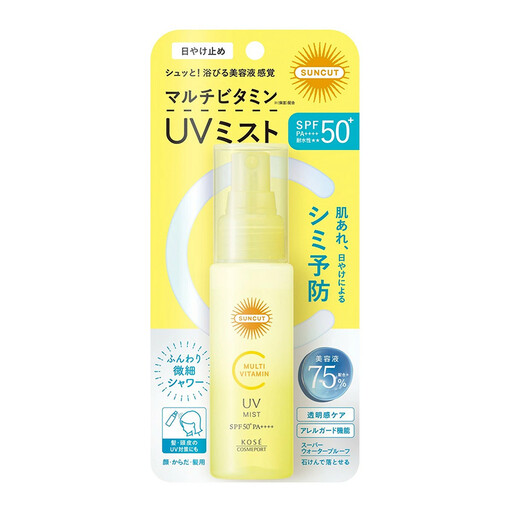
Why it suits this profile: The 60 ml size is handy for taking out and about, and suits anyone looking for a compact sunscreen spray for exposed areas of the body. The product description says it dries quickly and is suitable for the face, neck and arms.
The compact spray bottle makes it easier to reapply. You’ll still need to spread the product evenly and reapply often enough for full coverage.
60 ml size, quick to apply and, according to the product description, a moisturising formula with glycerin and vitamin E.
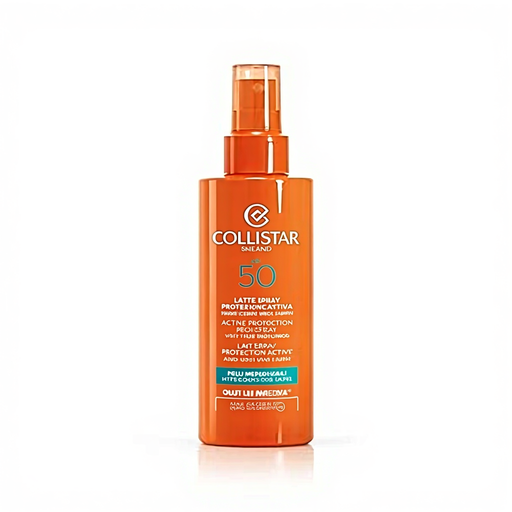
Why it suits this profile: The 200 ml bottle offers plenty for regular application to the body and, according to the product details, the face too. The formula is described as free from fragrance, colourants, alcohol and mineral oils.
The milky texture makes it easier to check where you’ve applied the product than a completely transparent mist. Even so, water resistance doesn’t remove the need to reapply after towelling off.
SPF 50, 200 ml size, water-resistant texture and, according to the product description, quick absorption.
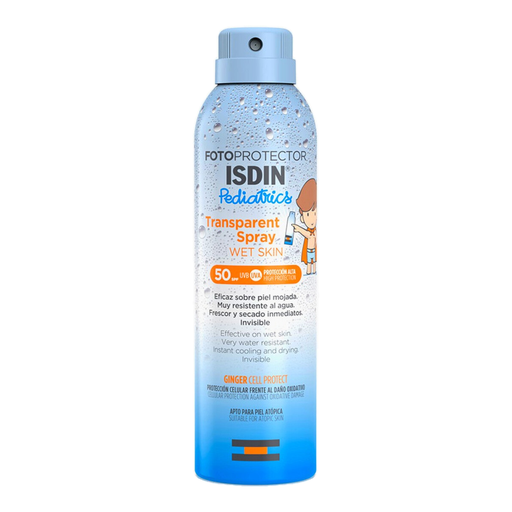
Why it suits this profile: According to the product description, this 200 ml spray is suitable for children aged three and over, and can be applied to dry or wet skin. That makes it a good fit for families who swim often or enjoy a range of outdoor activities.
Its stated suitability for wet and dry skin makes reapplication more convenient. You’ll still need to cover all areas of skin thoroughly and reapply after towelling off.
SPF 50+, 200 ml size, quick-drying texture and, according to the product description, very water-resistant properties.
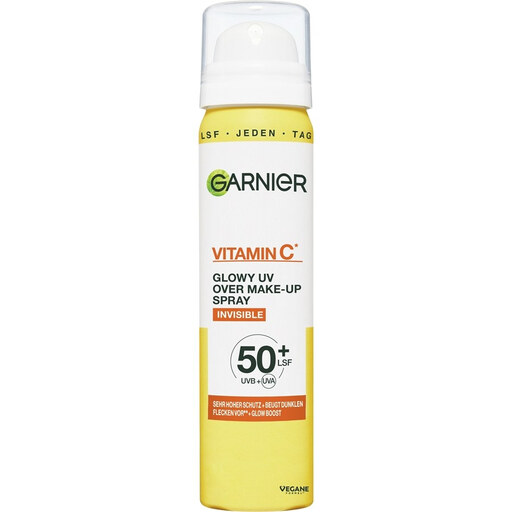
Why it suits this profile: According to the product description, this 75 ml face spray is designed to be applied over make-up. It’s a good option if you want to top up your sun protection throughout the day.
Being suitable for use over make-up helps you top up your sun protection. Keep the spray away from your eyes and only use it in well-ventilated areas, following the safety instructions.
SPF 50+, compact 75 ml size and, according to the product description, suitable for use over make-up.
We’ve put together a complete, regularly updated list of products that meet these strict selection criteria and the safety regulations in force in the EU.
It depends on the specific product. Some sunscreen sprays are designed for both face and body, while others are for the body only. As a general rule, don’t spray aerosols directly onto your face. Applying the product with your hands gives you more control.
It depends on how much you use, how often you apply it and the size of the bottle. A 60 ml product will run out more quickly than a 200 ml spray. The expiry date isn’t the only thing to check: also follow the recommended period for using the product after opening and the storage instructions on the packaging.
Some face sprays are designed for this, according to their product descriptions. However, you’ll still need to apply enough and spread it evenly for effective protection. If you’re spending a long time in direct sunshine, don’t rely on the spray as your only form of protection.