
Lieferung heute & morgen

Qualitätsgarantie

Willkommens-Angebote freischalten: KOSTENLOSE Lieferung | Bis zu 80 % RABATT | Kostenlose 30-Tage-JoyPlus-Testphase
App herunterladen
An SPF 50 sunscreen spray can be easier to apply than a traditional lotion. However, a quick spray does not automatically provide an even layer of protection. So, when choosing a sunscreen spray, look beyond the “SPF 50” label and check the UVA marking, how much to apply, how it suits your skin and what it is designed to be used for.
A transparent sunscreen spray leaves less visible residue. That can make it harder to see whether you have covered every area of skin properly. It is easy to miss patches when spraying quickly, especially on your shoulders, back, ears, neck and legs. So, spread the spray over your skin after applying it, if the instructions say to do so.
The term water-resistant sunscreen spray describes a certain level of resistance to water. Swimming, heavy sweating, towelling off and friction can still reduce the protective layer. You will still need to reapply regularly.
The sun protection factor mainly relates to UVB rays, which are associated with sunburn. For broader protection, also look for a clear UVA marking. Claims such as “UVA and UVB protection” should be clearly stated on the packaging or in the product description.
SPF 50 provides a high level of UVB protection. Products labelled SPF 50+ indicate an even higher level within the relevant protection category. However, the rating does not replace applying enough product or reapplying it.
If you are choosing a sunscreen spray for face and body, check whether the product information says it is suitable for both. Some sprays are intended for the body only. With aerosols, the usual advice is not to spray directly onto your face. Spray the product into your hand first, then apply it.
A common mistake is not using enough, as spray formulas feel light and absorb quickly. For reliable protection, apply a generous, even layer to all exposed skin. The amount you need depends on the product instructions and the area of your body.
A practical approach is to:
If you have sensitive skin, check the INCI list for fragrances, alcohol, preservatives and any ingredients you know you react to. “Hypoallergenic” does not guarantee that a product will suit everyone. If you are unsure, try it on a small patch of skin before applying it more widely.
Aerosol sprays often contain propellants and should be stored away from heat, naked flames and direct sunlight. Use them in a well-ventilated area. Children should not apply aerosol sunscreen by themselves.
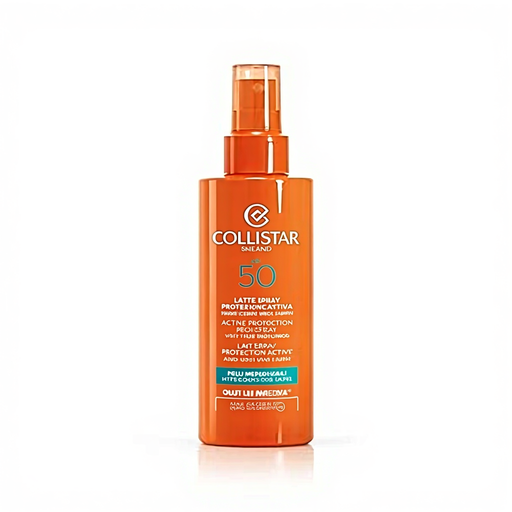
Why it suits this profile: The 200 ml size is a practical choice if you want to use sunscreen spray regularly over larger areas of your body. The product information says it is suitable for the face and body and is water-resistant.
The milky texture is more visible on the skin than a completely clear spray, which can make it easier to spread evenly.
200 ml; according to the product description, it is free from fragrance, colourants, silicones and alcohol.
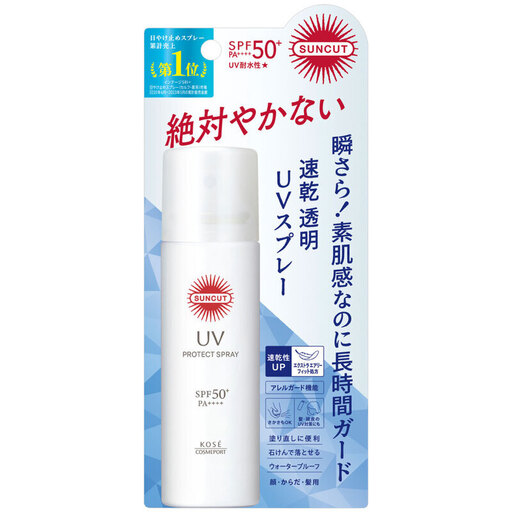
Why it suits this profile: According to the product information, this compact spray is suitable for the face and body. It can also be used over make-up if you spray it into your hand first.
The instructions specifically say not to spray the product directly onto your face, reducing the risk of inhaling it.
SPF 50+ and PA++++ according to the product information; a water-resistant formula with no fragrance or colourants.
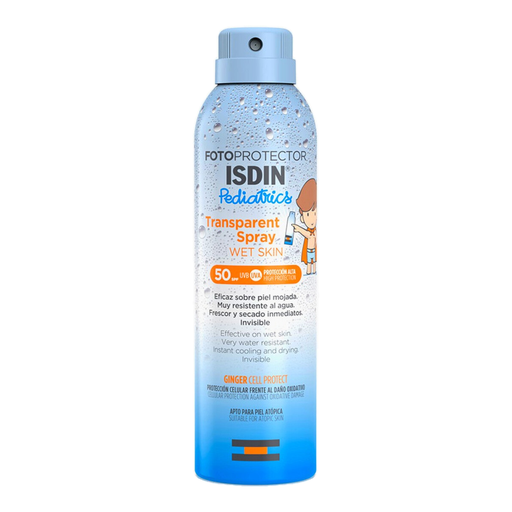
Why it suits this profile: According to the product description, this spray is suitable for children aged 3 and over, and can be used on dry or wet skin. That makes it a good fit for families reapplying between trips to the beach, swimming pool and playground.
Being able to apply it to wet or dry skin is useful when it might otherwise be easy to forget to reapply after swimming.
SPF 50+; according to the product information, it is very water-resistant and suitable for children aged 3 and over.
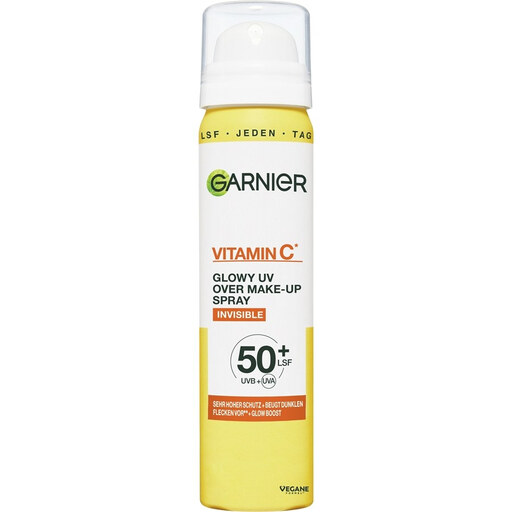
Why it suits this profile: According to the product description, this face spray is designed to be applied over make-up, making it handy for reapplying during the working day or when you are out and about.
This product is designed for reapplication over make-up. Even so, keep the spray mist away from your eyes and airways.
SPF 50+ according to the product information; compact 75 ml size for use on the face.
We’ve put together a complete, regularly updated list of products that meet these strict selection criteria and fully comply with the safety regulations in force in the EU.
Only if the manufacturer specifically says it is suitable for use on the face. With many aerosols, you should spray the product into your hand first, then spread it over your face. Special face sprays are designed to be applied over make-up.
Reapply after swimming, sweating or towelling off. Even if none of these apply, it is a good idea to top up your protection regularly, especially if you are spending a long time outdoors. Always follow the instructions for the product you are using.
The best-before date, batch number and, where applicable, the period after opening are shown on the packaging. Store opened products in a cool, dry place. Keep aerosol cans away from heaters and direct sunlight.