
Lieferung heute & morgen

Qualitätsgarantie

Willkommens-Angebote freischalten: KOSTENLOSE Lieferung | Bis zu 80 % RABATT | Kostenlose 30-Tage-JoyPlus-Testphase
App herunterladen
An SPF 30 day cream is a fundamental cornerstone of any skincare routine. It moisturises the skin and protects it from daily UV radiation, a major contributor to premature skin ageing. However, the market is overwhelming and saturated with marketing claims. Many products don't deliver on their promises or are unsuitable for your specific skin type. This guide will help you identify the crucial criteria and make an informed choice.
Before you make a decision, it's important to recognise common misconceptions and exaggerated advertising claims. These three points often lead to disappointment and unnecessary expense.
To find the right moisturiser with sun protection, focus on these three objective criteria.
Effective daily protection must shield the skin from both types of harmful UV radiation.
The base of the cream must match your skin's needs. The texture and the nourishing ingredients it contains are crucial here.
Many modern day creams offer more than just nourishment and protection. They can also visually improve the complexion.
Here are some product recommendations tailored to specific needs and lifestyles.
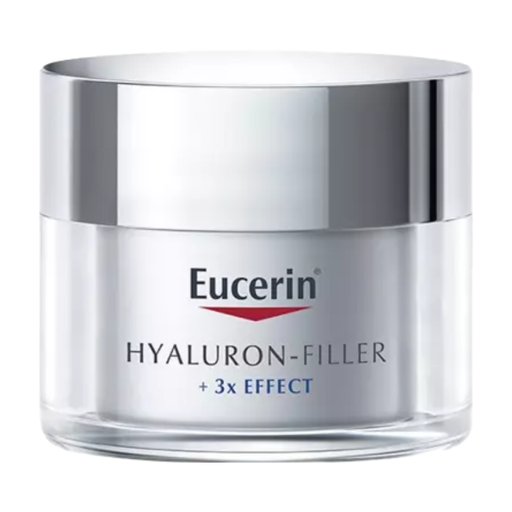
Why This Fits Their Persona: Ideal for those seeking a reliable daily anti-ageing treatment. The cream combines hydration with solid UV protection and aims to reduce the appearance of wrinkles.
Avoids the "all-in-one" trap with a clear focus: its formula with hyaluronic acid and saponin is specifically designed for moisture and wrinkle reduction, without making unrealistic promises.
Offers proven broad-spectrum protection (SPF 30 with UVA protection) and contains both high and low molecular weight hyaluronic acid to hydrate different layers of the skin.
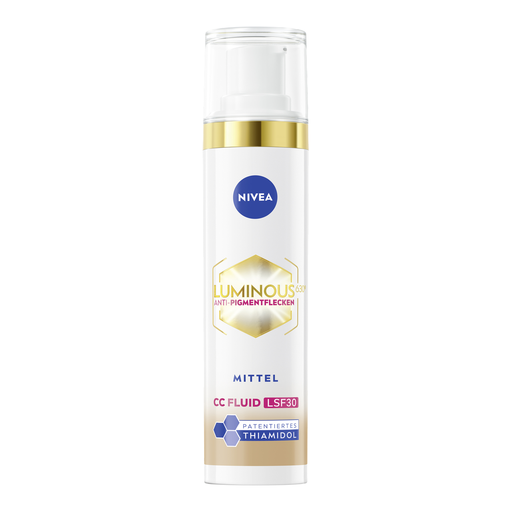
Why This Fits Their Persona: Perfect for individuals who want to not only instantly conceal an uneven skin tone but also specifically target pigmentation spots. A practical 3-in-1 solution for the morning.
This CC fluid sidesteps the trap of vague promises by using the patented active ingredient Thiamidol (marketed by NIVEA as LUMINOUS630), which is specifically aimed at reducing pigmentation spots.
Combines instant concealment through micro-encapsulated colour pigments with a long-term effect against pigmentation spots. The SPF 30 also helps prevent the formation of new sun-induced spots.
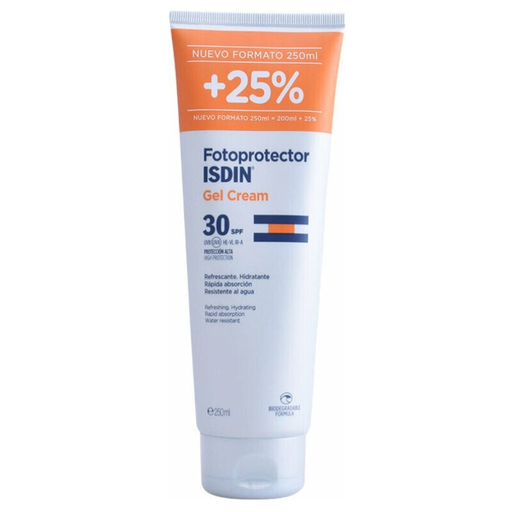
Why This Fits Their Persona: Suitable for anyone who wants to avoid a heavy, greasy texture on their skin. Ideal for combination to oily skin or for use on warm days, and also suitable for the body.
Solves the problem of an unsuitable texture. The oil-free gel-cream formulation absorbs quickly without leaving a sticky or shiny film, which is a common complaint with sunscreen products.
The lightweight texture combines the freshness of a gel with the nourishing properties of a cream. The large 250 ml tube also offers excellent value for daily use on the face and body.
We have compiled a complete, up-to-date list of products that fully meet these strict selection criteria and comply with German safety regulations.
1. Do I need to use an SPF 30 day cream in winter or on cloudy days? Yes, year-round application is recommended. UVA rays, which are a major contributor to skin ageing, can penetrate clouds and window glass. Daily protection is therefore essential to shield the skin from photoageing in the long term, regardless of the season or weather.
2. Does an SPF 30 day cream replace a dedicated sunscreen? For normal daily activities (e.g., commuting, short periods outdoors), an SPF 30 day cream is generally sufficient. However, for prolonged and intense sun exposure, such as during a summer holiday, outdoor sports, or spending hours in the sun, a dedicated sunscreen with a high SPF (50+) should be used. These are often more water- and sweat-resistant and should be reapplied every two hours.
3. How do I find the right shade for a tinted day cream, BB, or CC cream with SPF 30? Many tinted products, especially BB and CC creams, have an adaptive formulation that adjusts slightly to your skin tone. Often, there are only a few shades available (e.g., light, medium, dark). Use your natural skin tone as a guide. If you are unsure, it's better to choose the lighter shade, as it is often easier to blend. Some products also offer universal shades that use micro-encapsulated pigments to release their colour upon application, adapting to your individual complexion.