
Lieferung heute & morgen

Qualitätsgarantie

Willkommens-Angebote freischalten: KOSTENLOSE Lieferung | Bis zu 80 % RABATT | Kostenlose 30-Tage-JoyPlus-Testphase
App herunterladen
Finding the right SPF 50 sunscreen for your face can quickly become complicated. The market is flooded with products making a wide range of claims. However, not every formula delivers on its promises, and several common misconceptions can lead to bad buys and inadequate protection. As your Joybuy Product Recommendation Officer, I'm here to help you identify the most important features and avoid the usual pitfalls.
Before we dive into the selection criteria, it's crucial to understand the most frequent misunderstandings that often lead to disappointment.
To make an informed decision, you should focus on three core parameters. These will help you find a product that not only protects but also suits your skin type and needs.
A high-quality face sunscreen must offer broad-spectrum protection. This means it protects against both UVB and UVA rays.
The type of UV filter significantly influences the texture and how the product feels on your skin.
Modern sunscreens are often hybrid products that combine protection with skincare. Depending on your skin's needs, you can look for the following ingredients:
Based on the criteria above, we have curated a few products for different user profiles.
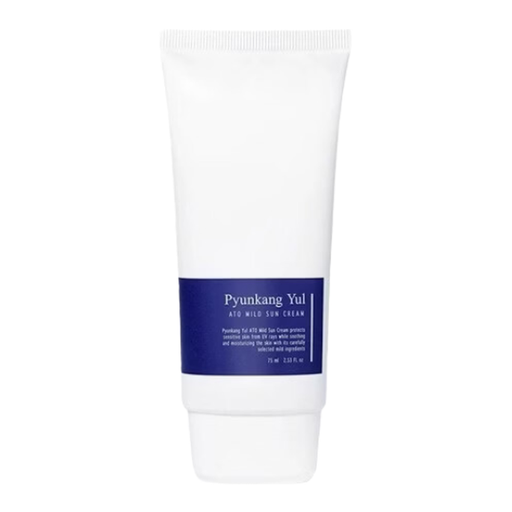
Why This Fits Their Persona: Ideal for individuals whose skin reacts quickly to ingredients. The formula is specifically designed for sensitive and atopic-prone skin, offering high protection with minimal risk of irritation.
The hypoallergenic formula sidesteps the trap of potentially irritating ingredients while providing high broad-spectrum protection (PA++++) that goes beyond just SPF.
Lightweight texture that absorbs quickly and is developed for sensitive skin types. Provides both UVA and UVB protection.

Why This Fits Their Persona: Perfect for users seeking a lightweight, moisturizing texture for daily use that integrates seamlessly into their skincare routine and works well under makeup.
This Korean sunscreen avoids the white cast trap with a modern chemical filter combination and a creamy texture that absorbs without residue.
Offers high UVA protection (PA++++) and nourishes the skin with rice extract and probiotic ingredients. Feels like a lightweight moisturizer.
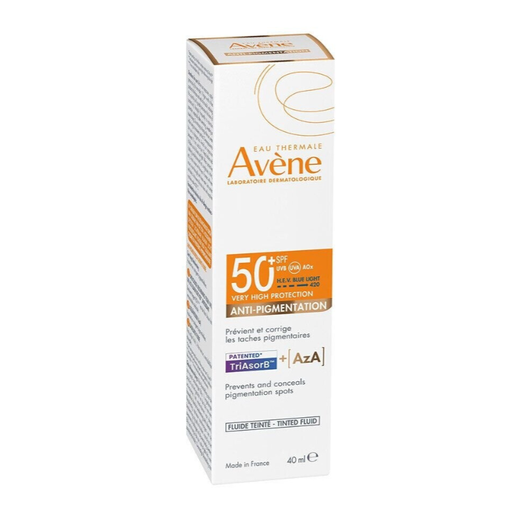
Why This Fits Their Persona: For anyone who wants an even complexion without using a heavy foundation. This product combines high sun protection with a light tint that evens out skin tone.
The lightweight fluid texture avoids the "caked-on" effect of some tinted products. It provides natural coverage while protecting against dark spots caused by UV and blue light.
Combines very high broad-spectrum protection with an evening tint. Specially formulated for sensitive skin and enriched with soothing Avène Thermal Spring Water.
We've compiled a complete, up-to-date list of products that fully meet these strict selection criteria and UK/EU safety regulations.
A common guideline is the two-finger rule: apply two strips of sunscreen to your index and middle fingers. This amount is generally sufficient for the face and neck to achieve the sun protection factor stated on the packaging. Applying too little significantly reduces the level of protection.
Yes, sunscreen has an expiration date. Look for the printed date or the Period After Opening (PAO) symbol (an open jar), which indicates how many months the product is good for after opening (e.g., "12M"). After this period, the effectiveness of the UV filters may decrease.
Yes, year-round application is recommended. While the intensity of UVB radiation decreases in the winter, UVA radiation remains relatively constant. Since UVA rays are a major contributor to skin aging, daily UVA-UVB protection is a crucial step in maintaining long-term skin health.