
Lieferung heute & morgen

Qualitätsgarantie

Willkommens-Angebote freischalten: KOSTENLOSE Lieferung | Bis zu 80 % RABATT | Kostenlose 30-Tage-JoyPlus-Testphase
App herunterladen
Choosing a sunscreen with SPF 30 might seem straightforward at first glance. However, the market is filled with products whose marketing promises often suggest more than the formula actually delivers. Many users invest in products that don't suit their skin type, leave an unpleasant film, or fail to work under makeup. As your Joybuy Product Recommendation Officer, I'll help you recognise these pitfalls and make an informed decision.
This guide focuses on the objective criteria that define a quality SPF 30 sunscreen and shows you how to avoid the most common disappointments when buying.
Before we dive into the selection criteria, it's important to understand the common issues that can lead to a poor purchase.
To find a suitable SPF 30 sunscreen, you should focus on a few crucial technical features.
Sunscreen products use different filters to protect the skin from UV radiation. Choosing the right system is crucial for skin compatibility and feel.
The texture is a key factor in whether you enjoy using your sunscreen and, therefore, apply it regularly.
A good sunscreen must protect against both UVA and UVB rays. The UVA symbol (the letters UVA in a circle) on the packaging guarantees that the UVA protection is at least one-third of the stated SPF (UVB protection), as recommended by the EU Commission. A water-resistant sunscreen is essential for sports or a day at the beach. However, note that you must reapply even water-resistant products after swimming and towel-drying to maintain protection.
Based on the criteria mentioned, we have identified products that offer a suitable solution for different needs and skin types.
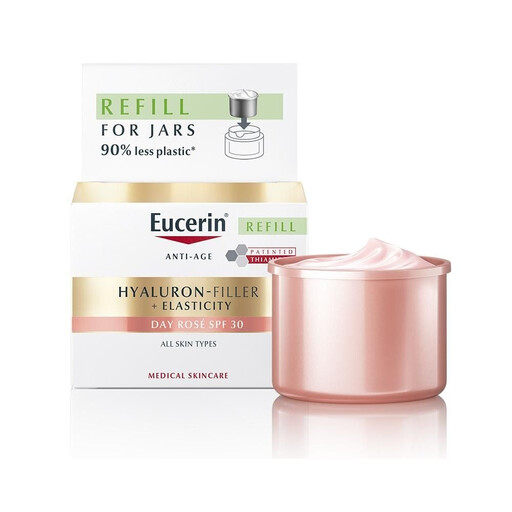
Why This Fits Their Persona: Ideal for mature skin seeking a day cream with integrated sun protection and nourishing anti-aging components. The formula is designed as a makeup base and combines protection with a fresh complexion.
The cream bypasses the "skincare illusion" by containing, according to the manufacturer, hyaluronic acid and a collagen-elastin complex. The subtle pink pigments counteract the "white cast" and provide a more vibrant complexion.
Combines SPF 30 with a UVA filter, anti-aging care, and a visually refreshing effect. Available as a refill pack, which reduces packaging waste.
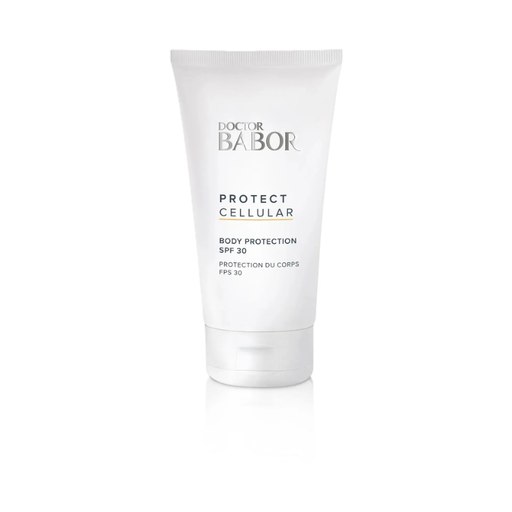
Why This Fits Their Persona: Suitable for users looking for a high-quality, lightweight body lotion for sensitive skin. The formula is designed to absorb quickly and provide moisture without being sticky.
Addresses the "non-greasy" illusion with a light, fast-absorbing texture. According to the manufacturer, the product is dermatologically tested and suitable for sensitive skin, minimising the risk of irritation.
Offers protection against UV rays and blue light. The lightweight lotion texture moisturises and is designed for use on the entire body.
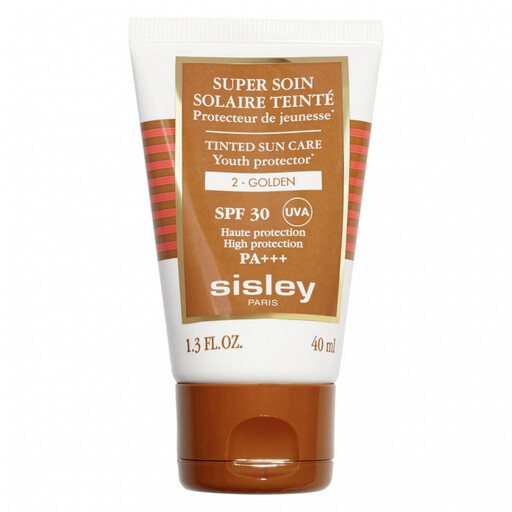
Why This Fits Their Persona: Perfect for users who want reliable sun protection with a light tint to even out their complexion. The silky texture and nourishing ingredients appeal to quality-conscious consumers.
The tinted formula completely prevents a "white cast" and instead evens out the skin tone. The light, non-greasy texture avoids a sticky film and is suitable for daily use.
Provides broad-spectrum protection (UVA/UVB) and nourishes the skin with ingredients like shea butter and camellia oil. The tint creates a natural, even-looking finish.
We have compiled a complete, up-to-date list of products that fully meet these strict selection criteria and German safety regulations.
The amount applied is crucial for effective protection. As a rule of thumb for the face, use an amount that covers two fingers (index and middle finger). For the entire body of an average adult, an amount of about 30-40 ml is recommended, which is roughly equivalent to a full shot glass. Applying too little significantly reduces the protection factor.
It is generally not recommended. Most sunscreen products have an open jar symbol with a number like "12M." This means the product is good for 12 months after opening. After that, the effectiveness of the UV filters can diminish, and the stated protection is no longer guaranteed.
Yes, as long as it is applied correctly and in a sufficient amount. The pigments in a tinted SPF 30 sunscreen primarily serve to visually correct the complexion and do not affect the efficacy of the UV filters. They provide the same protection as a comparable non-tinted product, as long as the application instructions are followed.