
Lieferung heute & morgen

Qualitätsgarantie

Willkommens-Angebote freischalten: KOSTENLOSE Lieferung | Bis zu 80 % RABATT | Kostenlose 30-Tage-JoyPlus-Testphase
App herunterladen
The search for a suitable SPF 50 face sunscreen for daily use can be complicated. The market offers a plethora of products promising lightweight textures, skincare benefits, and invisible protection. In practice, however, many products fail to deliver on their advertising claims. Users frequently complain about a sticky feeling, an unsightly white cast, or breakouts after application.
This guide serves as a roadmap. It highlights the most common pitfalls when buying and reveals which objective criteria truly matter in finding the right SPF 50 face sunscreen that seamlessly integrates into your daily skincare routine.
The 3 Most Common Problems When Choosing Facial Sunscreen:
To make an informed decision, it's helpful to understand a product's technical properties. Instead of relying on marketing buzzwords, you should focus on the following three core parameters.
The type of UV filter has the greatest influence on a sunscreen's texture and how it feels on the skin.
A good sunscreen should be tailored to the specific needs of your skin type.
Korean sunscreen, in particular, has driven the trend for multifunctional products that combine high UV protection with active skincare ingredients. Ingredients like niacinamide (for brightening dark spots and refining pores), rice extract (for soothing), or fermented ingredients support skin health beyond just facial sun protection.
Based on the criteria above, we have identified several products suited for different needs and skin types.
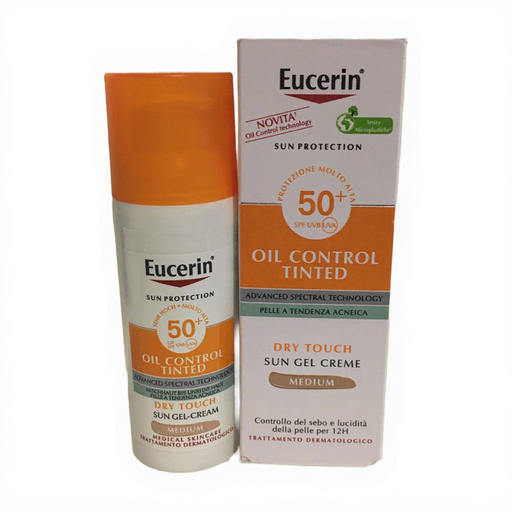
Why This Fits Their Persona: Ideal for users seeking a daily, mattifying solution. The gel-cream texture is specifically designed for combination to oily skin and helps control shine throughout the day.
The formula is oil-free and non-comedogenic, sidestepping the "Greasy and Heavy" trap and minimising the risk of breakouts.
Delivers a matte finish and a light tint that adapts to many skin tones, creating a more even complexion.
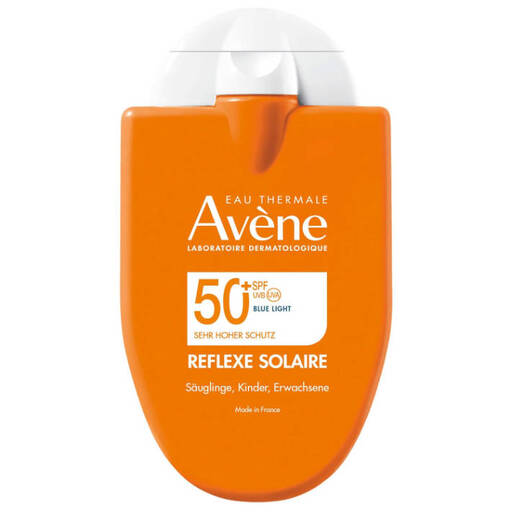
Why This Fits Their Persona: Suitable for individuals with very sensitive skin who prefer a minimalist and low-irritant formulation. The product is designed for high tolerance.
The fragrance-free formula with Avène Thermal Spring Water avoids the trap of overloaded "all-in-one" products by focusing on the essentials: high protection and skin soothing.
Very light, fluid texture that absorbs quickly. The water-resistant formula is practical for daily use and during sports activities.
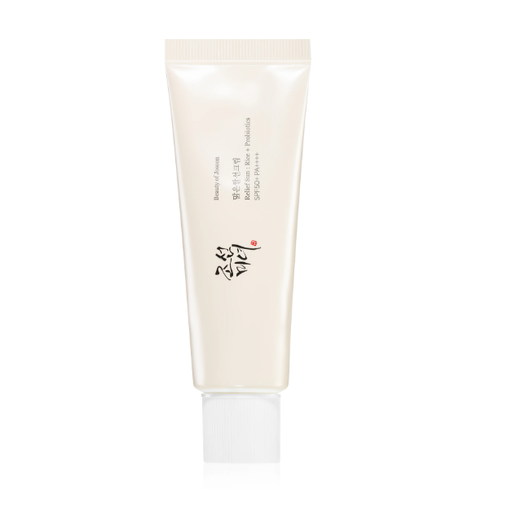
Why This Fits Their Persona: Perfect for fans of cosmetically elegant Korean formulations. The texture resembles a lightweight moisturiser and is ideal for anyone who prioritises a comfortable skin feel.
This product is a prime example of how to avoid the "white cast" trap. It absorbs completely without leaving a visible residue, even on deeper skin tones.
Contains 30% rice extract and fermented grain extracts that hydrate, nourish, and strengthen the skin barrier.
We've compiled a complete, real-time updated list of products that fully meet these strict selection criteria and rigorous safety standards.
For effective protection, the two-finger rule is often recommended: apply a line of sunscreen to your index and middle fingers. This amount is generally sufficient for the face and neck. Applying too little significantly reduces the stated sun protection factor.
Yes. UVA rays, which are a major contributor to skin ageing, have a nearly constant intensity throughout the year. They penetrate through clouds and window glass. Daily facial sun protection with a high SPF is therefore a fundamental measure for preventing premature skin ageing and pigmentation spots.
Apply sunscreen as the final step in your morning skincare routine to cleansed skin. Allow the product to absorb completely for about 5 to 10 minutes before you start applying foundation or other makeup products. This prevents the products from mixing or "pilling." A lightweight sunscreen with a fast-absorbing texture is particularly well-suited for this.