
Lieferung heute & morgen

Qualitätsgarantie

Willkommens-Angebote freischalten: KOSTENLOSE Lieferung | Bis zu 80 % RABATT | Kostenlose 30-Tage-JoyPlus-Testphase
App herunterladen
The right SPF 50 facial sunscreen should offer more than just a high number on the packaging. What matters is whether the texture, UVA and UVB protection, ingredients and application suit your everyday routine. Someone who commutes daily, wears make-up or has sensitive skin will have different requirements from someone who mainly uses sunscreen when hiking or on holiday.
The SPF rating mainly describes protection against UVB rays, which are one of the causes of sunburn. For everyday sun protection, clearly stated UVA protection is also important. Look for information such as “UVA/UVB”, the UVA symbol in a circle or, for Asian products, a rating such as PA++++.
Even a high sun protection factor does not justify spending longer in the sun. How well the product protects you depends largely on whether enough has been applied and reapplied regularly.
A non-greasy sunscreen can feel comfortable on oily or combination skin. Dry skin, on the other hand, often needs additional moisturising ingredients such as glycerine or hyaluronic acid. Conversely, alcohol, fragrances or certain plant extracts may be undesirable for sensitive or redness-prone skin.
That is why the claim “for all skin types” is no substitute for checking the current INCI list. Formulations can change; the ingredients list on the packaging you receive is the authoritative source.
A tinted sunscreen can visually even out your complexion, but it does not automatically offer the coverage of a foundation. A universal shade can look different depending on your skin depth and undertone. Light or colour-giving pigments can also stain textiles. If possible, test a tint along your jawline and allow the product to absorb briefly before applying make-up.
For daily use on the face, a product with SPF 50 or SPF 50+ and clearly stated UVA protection is recommended. If you will be exposed to the sun for longer periods, sweat or come into contact with water, additional information about water resistance is relevant. However, this does not replace reapplying after drying off.
Applying too little can significantly reduce the level of protection actually achieved. As a practical guide, some manufacturers recommend approximately two finger lengths, or a similarly sufficient amount, for the face and neck. Apply sunscreen as the final step in your morning skincare routine and spread it over the hairline, ears, nose, jawline and neck as well.
In direct sunlight, reapply regularly, especially after sweating, swimming, rubbing or drying yourself. If you wear sunscreen under make-up, choose a texture that is not prone to pilling and allow enough time for it to absorb.
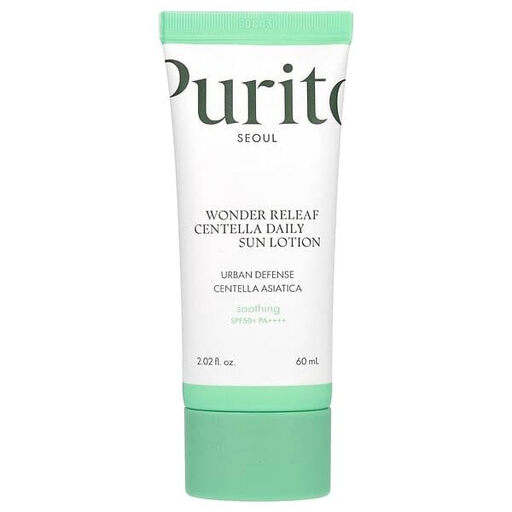
Why this product suits the profile: This lightweight lotion combines SPF 50 with Centella asiatica extract, niacinamide and several forms of hyaluronic acid. It is designed for anyone looking to combine everyday sun protection and hydration in a single facial skincare product.
The product description lists specific ingredients and a lotion texture rather than making broad skincare claims. Nevertheless, check the current ingredients list before buying.
SPF 50, 60 ml, lightweight lotion and, according to the product information, no common fragrance allergens.
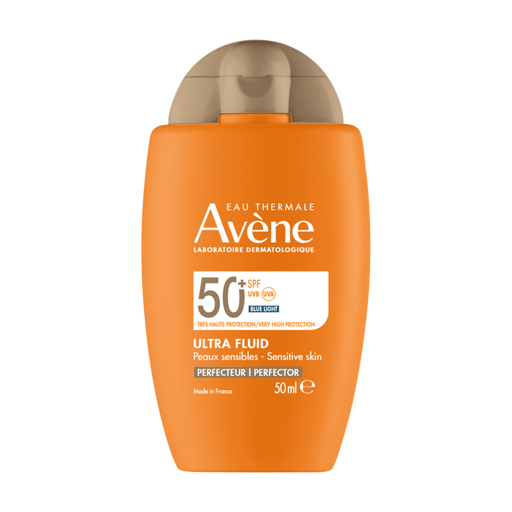
Why this product suits the profile: According to the product information, this ultra-fluid formula was developed for sensitive skin, is fragrance-free and offers a universal tint. It can be used as a lightweight base under make-up.
The description clearly explains that the tint offers light colour correction rather than foundation coverage. This helps avoid unrealistic expectations about the shade.
SPF 50+, UVA, UVB and HEV protection information, fragrance-free formula and a product description stating that it is water-resistant.
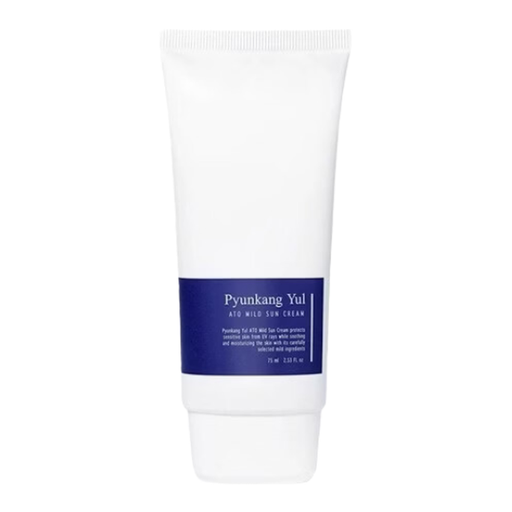
Why this product suits the profile: According to the product description, the ATO range is designed for sensitive, dry or atopic-prone skin. The 75 ml size is suitable for regular use on the face.
The product information explicitly states that it has a lightweight, non-greasy texture and advises checking the complete INCI list on the packaging.
SPF 50, PA++++, 75 ml and, according to the description, a non-greasy application without a strong white cast.
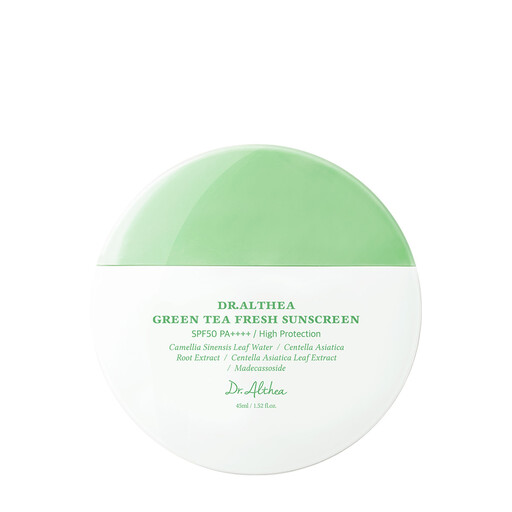
Why this product suits the profile: According to the product description, this Korean sunscreen combines SPF 50 PA++++ with a lightweight texture. Green tea water, Centella asiatica extract and niacinamide are included in the stated formulation.
The information explicitly states that it has a non-sticky texture and is suitable for use under make-up. However, if you have sensitive skin, you should still check the fragrances and current ingredients list.
SPF 50 PA++++, 45 ml, lightweight texture and product information confirming daily use under make-up.
Apply SPF 50 facial sunscreen in the morning after your skincare and before make-up. If you will be spending longer periods outdoors, reapplying is more important than choosing an especially decorative texture. A sun hat, sunglasses, shade and clothing provide additional protection alongside sunscreen. Try to limit exposure to direct midday sun wherever possible.
If you experience burning, persistent redness, itching or swelling, wash off the product and stop using it. If symptoms recur, it is advisable to seek dermatological advice.
Use a sufficient amount according to the manufacturer’s instructions. The so-called two-finger rule is often given as a guide for the face and neck. Even, thorough coverage is crucial. Using too little product reduces the stated level of protection.
Yes, many fluids and lotions are designed for this purpose. Allow the sunscreen to absorb first, then apply foundation without excessive rubbing. With tinted products, check the shade, layer thickness and any potential transfer beforehand.
The expiry date and PAO symbol on the packaging are the key references. Store the product in a cool, dry place away from direct sunlight wherever possible. A change in colour, smell or consistency is a reason to stop using it.