
Lieferung heute & morgen

Qualitätsgarantie

Willkommens-Angebote freischalten: KOSTENLOSE Lieferung | Bis zu 80 % RABATT | Kostenlose 30-Tage-JoyPlus-Testphase
App herunterladen
Finding authentic, spicy Asian snacks can often be a challenge. Many products in local supermarkets are adapted for Western palates and lack the intense or complex heat expected from traditional Asian recipes. This guide provides an objective overview of various types of spicy snacks from Asia, helping you find products that match your taste preferences. We focus on verifiable product features and ingredients to empower you to make an informed choice.
Before you choose a snack, some basic knowledge about the different flavours and ingredients can be helpful.
Not all heat is the same. In Chinese cuisine, particularly from Sichuan, a distinction is often made between two main types:
Spicy snacks from Asia are based on a variety of ingredients that significantly influence texture and flavour. Common bases include:
The production method has a direct impact on the snack's texture and fat content. While many traditional chips are deep-fried to achieve maximum crispiness, non-fried alternatives are also available. These are often made by puffing or baking and can be a lighter option without sacrificing crunch.
Here is a selection of products that represent different flavour profiles and textures.

Why It Stands Out: This snack is based on konjac flour, giving it a distinctive, firm texture reminiscent of vegetarian tripe. The seasoning is intense, combining the heat of chili with the aroma of Sichuan peppercorns.
Pros:
Who It's For: Those looking for an alternative to crispy chips who appreciate a chewy texture combined with a complex, spicy marinade. Ideal for fans of vegetarian spicy snacks.
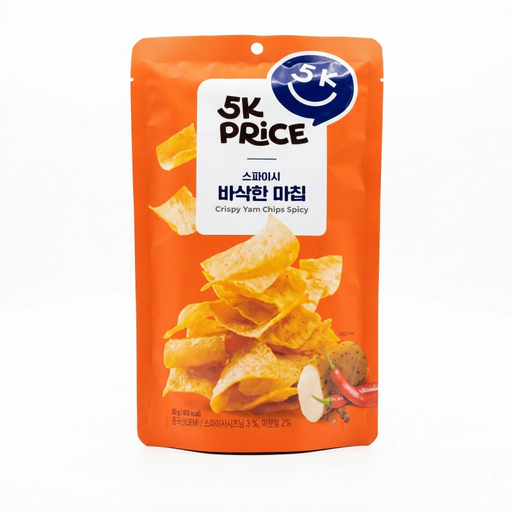
Why It Stands Out: These chips combine wheat flour with yam powder and are made using a non-fried process. The result is an especially crispy and light texture. The seasoning is a classic mala flavour that is both hot and numbing-tingling.
Pros:
Who It's For: Anyone looking for classic spicy chips from China with an authentic Sichuan flavour profile. A great choice for those who enjoy the characteristic tingle of Sichuan peppercorns.
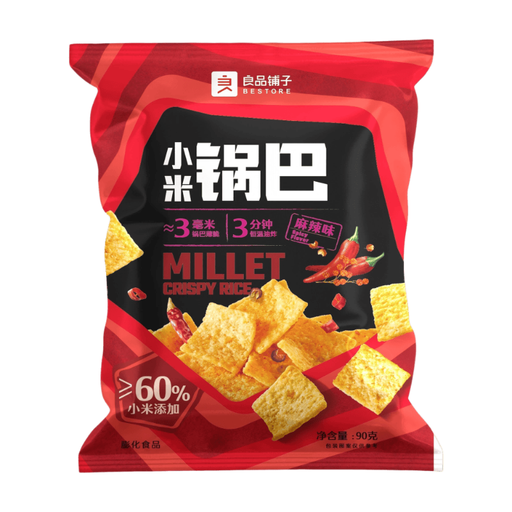
Why It Stands Out: These spicy crisps are made from millet, which gives them a firm bite and a nutty undertone. The seasoning is piquant and aromatic without being overly dominant, making it a versatile snack.
Pros:
Who It's For: Snack lovers seeking a crispy alternative to potato chips who prefer a spicy but not extremely hot flavour. Well-suited for social gatherings.
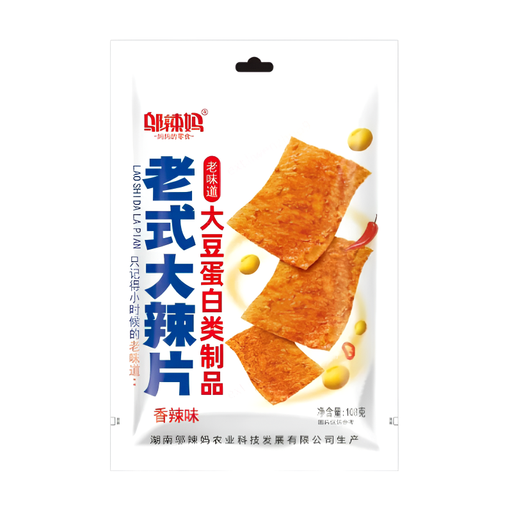
Why It Stands Out: These thick slices are based on high-quality soy protein and are steeped in a spicy marinade. The texture is firm and chewy, similar to jerky, providing a long-lasting chewing experience.
Pros:
Who It's For: Individuals who prefer a hearty, protein-rich snack with a meat-like consistency and bold seasoning. A great choice for anyone looking for a more filling snack.
Didn't find the right flavour or texture for you? The world of spicy snacks is diverse and offers countless other varieties. If you're looking for other options, you'll find a wider selection in our range.
? Explore our entire range of savoury snack chips here
1. What does "mala" mean in Chinese snacks? "Mala" is a compound term from Sichuan cuisine. "Ma" stands for the numbing, tingling sensation of Sichuan peppercorns, while "La" describes the burning heat of chilis. A mala snack therefore offers a complex flavour experience that is both hot and tingling.
2. Are spicy Asian snacks always vegetarian? Not necessarily, but many popular options are. Snacks based on konjac, tofu, soy protein, wheat, or rice are often vegetarian by nature. However, it is always wise to check the ingredient list, as some seasonings may contain animal-derived ingredients like meat extract or fish sauce.
3. Where can I buy authentic spicy Asian snacks online? Specialty online shops are a great resource for an authentic selection that goes beyond what's available in local supermarkets. An online Asian snack shop like Joybuy offers direct access to brands and products imported directly from Asia, allowing you to search specifically for certain flavours like mala or ingredients like konjac.