
Lieferung heute & morgen

Qualitätsgarantie

Willkommens-Angebote freischalten: KOSTENLOSE Lieferung | Bis zu 80 % RABATT | Kostenlose 30-Tage-JoyPlus-Testphase
App herunterladen
For connoisseurs of intense flavors, the search for authentic, spicy Asian snacks can often be a challenge. The offerings in local supermarkets are frequently limited to a generic selection that falls short of the desire for genuine heat and exotic aromas. This article serves as a guide, presenting a curated selection of products distinguished by their unique flavor profiles and ingredients. The goal is to provide you with an informed basis for your decision when you're looking to buy spicy snacks online.
Navigating the vast world of exotic spicy snacks can be complex. The following points will help you find products that meet your flavor expectations.
Not all heat is created equal. Most people are familiar with the burning heat of chili peppers, caused by the active compound capsaicin. Another type of spiciness, common in Chinese cuisine, comes from the Sichuan pepper. Sichuan pepper snacks create a characteristic tingling and slightly numbing sensation on the tongue, known as “málà” (麻辣). Knowing this difference is crucial for choosing a snack that delivers the desired sensory experience.
A look at the ingredient list reveals a product's authenticity. Authentic spicy Chinese snacks or spicy Japanese snacks often use specific regional spices and ingredients. Look for components like fermented soybean paste, special chili varieties, or Sichuan pepper. At the same time, the ingredient list is an important source of information regarding potential allergens.
The following selection has been compiled based on their unique flavor profiles and their popularity among experts in Asian cuisine.
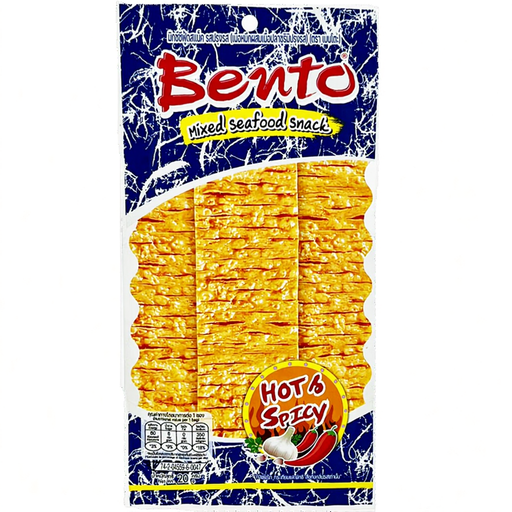
Why it stands out: This snack from Thailand combines dried squid (40%) and tuna surimi (30%) for a firm, chewy texture. The seasoning, featuring a traditional Thai spice blend and chili, creates a complex flavor experience that unites sweet, salty, and spicy notes.
Pros:
Who it's for: Individuals who appreciate the taste of seafood and have a preference for the spicy yet sweet aromatics of Thai cuisine.
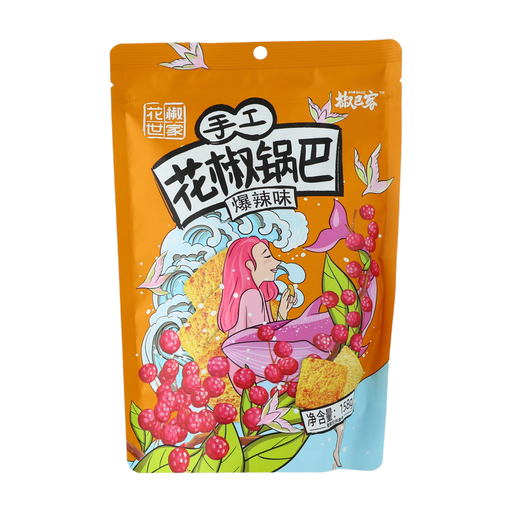
Why it stands out: This puffed snack delivers the authentic "málà" experience. Seasoned with Sichuan pepper leaves and oil, it offers an intense, tingling heat that is distinctly different from pure chili spiciness. The base of rice and soybeans provides a light and crispy texture.
Pros:
Who it's for: Adventurous snack lovers who are specifically seeking the characteristic heat of Sichuan pepper snacks and want to try a new sensory experience.
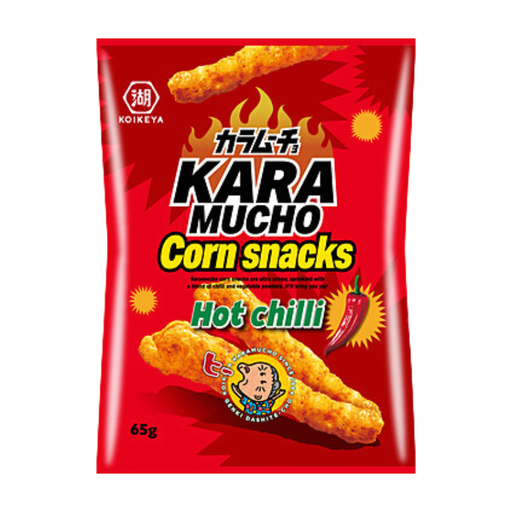
Why it stands out: Karamucho is a classic among spicy Japanese snacks. These corn snacks are known for their robust texture and intense seasoning. The blend of chili, garlic, onion, and soy sauce creates a full-bodied flavor that is both spicy and savory.
Pros:
Who it's for: Anyone who prefers a robust, crunchy snack with a direct and powerful chili heat, similar to spicy chips but with a Japanese flavor profile.
Once you've found the right snacks, the question of proper presentation arises, especially when you're expecting guests. A stylish and practical arrangement enhances the snacking experience.
The right accessories can help you create an appealing display for your exotic spicy snacks. Discover our selection of [snack holders] to serve your choices attractively and keep things tidy.
The special feature of Sichuan pepper snacks is the "málà" sensation. Unlike the burning heat of chilis, Sichuan pepper produces a tingling, almost electric, and slightly numbing feeling on the lips and tongue. This unique sensory characteristic makes them a favorite for anyone seeking new flavor experiences.
Specialized online retailers like Joybuy typically offer a much larger and more authentic selection of imported Asian foods than brick-and-mortar stores. Here, you can specifically search for products from certain regions, such as spicy Chinese snacks or Japanese specialties, and find detailed product descriptions and ingredient lists.
Yes, there are often significant differences. While Chinese cuisine, especially from Sichuan, commonly features the "málà" heat from Sichuan pepper and chili, spicy Japanese snacks often use a combination of chili (togarashi), wasabi, or mustard for their heat. Japanese snacks also frequently place a strong emphasis on umami flavors, achieved through ingredients like soy sauce, miso, or seafood extracts.