
Lieferung heute & morgen

Qualitätsgarantie

Willkommens-Angebote freischalten: KOSTENLOSE Lieferung | Bis zu 80 % RABATT | Kostenlose 30-Tage-JoyPlus-Testphase
App herunterladen
Anyone who appreciates authentic Asian cuisine knows that a single ingredient can often make all the difference. A spoonful of aromatic, deep-red condiment oil can transform a simple noodle soup, fresh dumplings, or a crisp salad into a culinary experience. However, the selection of products on the market can be overwhelming. This guide serves to orient you, presenting a curated selection of spicy chili oils to simplify your decision and bring the authentic taste of Sichuan cuisine into your home.
To find the right product for your needs, it's helpful to understand a few key characteristics. These criteria will help you discern the differences between the various oils available.
A high-quality Chinese aromatic oil is distinguished not just by its heat, but by its complex aroma. The base is typically a neutral oil like rapeseed or soybean oil, which is heated and poured over a mixture of dried chilies and spices. Pay close attention to the ingredients list: additions like star anise, cinnamon, fennel, or ginger indicate a multi-layered flavor profile. Sesame seeds lend the oil additional nutty notes and a pleasant texture.
There are two fundamental types of chili oil: smooth, liquid oil and what is known as "chili crisp."
The heat level of chili oil can vary significantly. Some products are mild and aromatic, while others are intensely fiery. A special feature of Sichuan-style chili oil is the "mala" flavor. This is created by adding Sichuan peppercorns, which leave a characteristic, slightly numbing tingle on the tongue. A mala oil thus combines the heat (là, 辣) of the chilies with the numbing sensation (má, 麻) of the Sichuan peppercorn, and it is a central component of many dishes from this region.
Based on the criteria above, we have compiled a selection of products suitable for different preferences and applications.
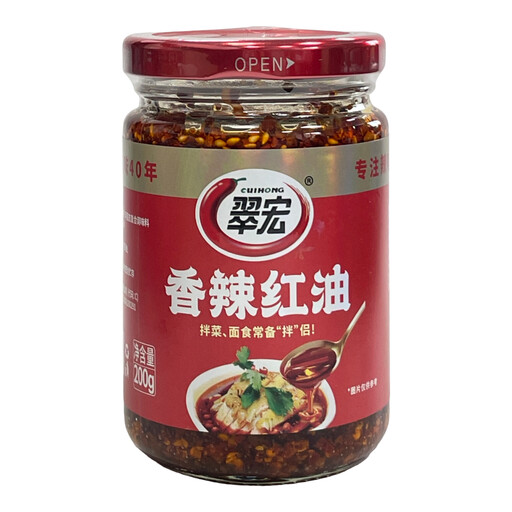
Why It Stands Out: This red chili oil from Cuihong focuses on a rich and complex aroma. It is carefully brewed to create a multi-layered, aromatic heat that enhances dishes without overpowering them.
Pros:
Who It's For: This oil is a great choice for anyone seeking a universal Asian aromatic oil that combines balanced heat with a deep, savory aroma. It is ideal for daily use and for elevating a wide variety of dishes.
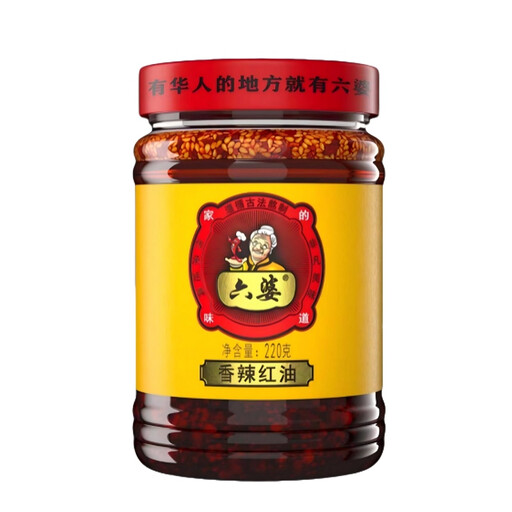
Why It Stands Out: The chili oil from Liupo is known for its vibrant red color and mild heat level. According to the manufacturer, it is "fragrant but not fiery," making it suitable for those with a lower tolerance for spice.
Pros:
Who It's For: Ideal for newcomers to the world of chili oil or for those who appreciate the fragrance and flavor of chilies more than pure heat. Its versatility makes it a great all-rounder in the kitchen, from cold appetizers to stir-fries.

Why It Stands Out: This product is a classic mala oil. It delivers the authentic flavor combination of heat and the numbing tingle of Sichuan peppercorn that is so typical of Sichuan cuisine.
Pros:
Who It's For: This oil is aimed at lovers of authentic Sichuan cuisine who are specifically seeking the unmistakable mala experience. Anyone who loves the combination of fiery heat and a numbing tingle will find their perfect condiment oil here.
Have you found the right chili oil for your kitchen? While you're stocking up on Asian spices, you might also discover useful items for other areas.
For example, if you also need to replenish your office supplies, you can find a selection of red ink pens here.
The main difference lies in the use of Sichuan peppercorns. While many chili oils rely solely on the heat of chilies, Sichuan-style chili oil combines this heat (là) with the unique, numbing tingle (má) of the Sichuan peppercorn. This flavor profile, known as "mala," is the hallmark of Sichuan cuisine.
Once opened, chili oil should be stored in a cool, dry place away from direct sunlight. It is important to always keep the jar tightly sealed to preserve the aroma and extend its shelf life. You can find specific storage instructions on the product packaging.
Yes, chili oil can be used for cooking, for example in stir-fries. However, many chefs prefer to use it as a "finishing oil," which is added at the end of the cooking process or directly at the table. This ensures that the delicate, volatile aromas of the spices, which could be lost at high heat, are fully preserved.