
Lieferung heute & morgen

Qualitätsgarantie

Willkommens-Angebote freischalten: KOSTENLOSE Lieferung | Bis zu 80 % RABATT | Kostenlose 30-Tage-JoyPlus-Testphase
App herunterladen
For those seeking a snack with real character, traditional salted peanuts often lack the desired depth of flavour. The market for Asian snacks, however, offers an impressive variety of spicy peanuts, ranging from fiery-hot to complex and aromatic. This guide is designed to help you navigate the different flavour profiles and choose the perfect option for your next movie night, party, or simply as a flavour-packed snack.
Choosing the right product depends on your personal preferences for heat, texture, and aroma. The following points will help you decide.
The heat in spicy peanut snacks comes from different sources, each offering a unique sensory experience.
The preparation method significantly influences the mouthfeel. There are two main types:
The origin often provides a clue to the expected flavour profile. Thai snacks frequently combine sweetness, acidity, and heat, while Chinese varieties from the Szechuan region are known for their numbing spice. Korean flavours often feature a mix of heat and savoury, fermented notes (like those from gochujang).
Based on these criteria, we present a selection of products that represent different flavour worlds.
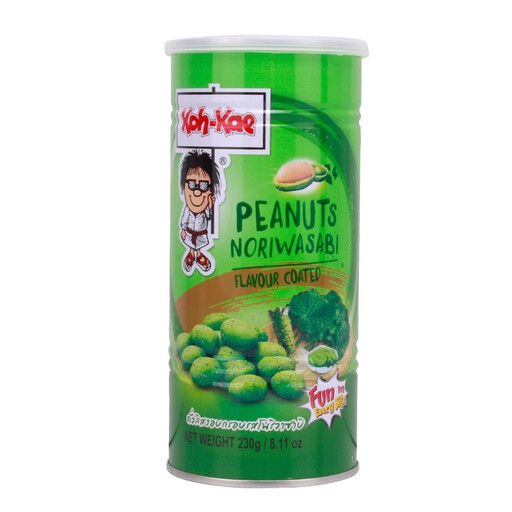
Why they stand out: These peanuts combine the sharp heat of wasabi with the umami-rich flavour of nori seaweed. The crispy batter provides a satisfying crunch, making them a classic among wasabi peanuts.
Pros:
Who they're for: Anyone who appreciates the characteristic, sharp kick of wasabi and is looking for an alternative to pure chilli heat. Ideal for fans of Japanese cuisine.
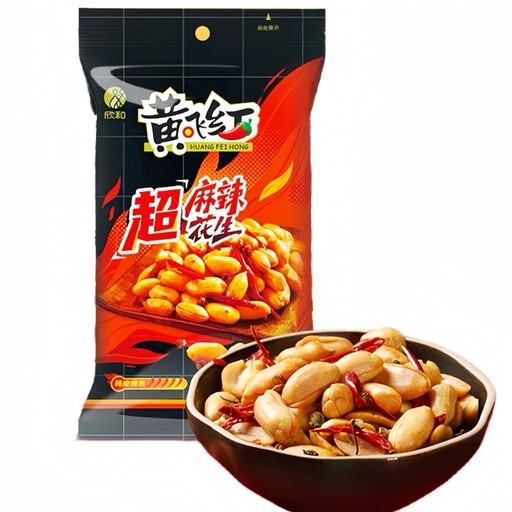
Why they stand out: This snack delivers the authentic "mala" experience of Szechuan cuisine. Whole, dried chillies and Szechuan peppercorns are roasted with the peanuts, resulting in a complex heat that both burns and leaves a unique tingling sensation on the tongue.
Pros:
Who they're for: Adventurous snackers who want to experience a multidimensional heat beyond a simple burn. A must-try for fans of authentic Chinese cuisine.
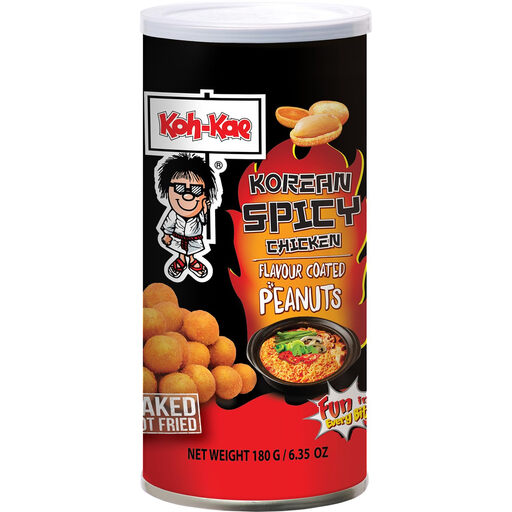
Why they stand out: Inspired by the popular Korean dish "Yangnyeom Chicken," these coated peanuts deliver a balanced blend of sweet, savoury, and spicy notes. If you want to buy Koh-Kae and try a more approachable level of heat, this is an excellent option.
Pros:
Who they're for: Newcomers to the world of spicy snacks and lovers of Korean cuisine who prefer a harmonious blend of sweetness and heat.
The world of spicy peanuts is vast and diverse. If the options featured here have piqued your curiosity but you want to explore even more flavours, it's worth taking a look at the full range.
? Discover more savoury peanuts and Asian snacks here.
The variety is vast. They are mainly distinguished by the source of heat (e.g., chilli, wasabi, Szechuan peppercorn), the preparation method (coated or simply seasoned), and the regional flavour profile (e.g., Thai, Chinese, Korean). Each combination offers a unique sensory experience.
While supermarkets often carry a basic selection, specialised online retailers for Asian foods, like Joybuy, offer a much broader range. There you can find imported brands and unique flavours that are hard to come by in local retail, which is a great advantage for connoisseurs and the curious alike.
Yes, they are an excellent pairing for many beverages. Chilli peanuts harmonise well with a light, cool beer that balances the heat. Given their Japanese origin, wasabi peanuts go well with sake or a dry white wine. The complex flavours of Szechuan peanuts can be complemented by a simple spritzer or even a light tea.