
Lieferung heute & morgen

Qualitätsgarantie

Willkommens-Angebote freischalten: KOSTENLOSE Lieferung | Bis zu 80 % RABATT | Kostenlose 30-Tage-JoyPlus-Testphase
App herunterladen
For those in search of a flavorful snack, spicy peanuts offer a welcome change from conventional salted or paprika-flavored nuts. Asian snacks, in particular, are enjoying growing popularity, bringing a variety of flavors that range from fiery-hot to savory-sweet. However, the sheer number of options can be overwhelming.
This article serves as your guide. It introduces different types of spicy peanuts and provides objective information to help you make an informed choice—without the marketing hype. We'll explore the differences in taste, texture, and preparation so you can find the perfect snack to suit your palate.
Before you buy spicy snacks, a few objective criteria can make the decision easier. Here are three key factors to consider.
Not all heat is the same. The sensory experience can vary greatly depending on the ingredients.
The preparation method has a significant impact on the snacking experience.
A look at the ingredient list provides crucial information. Pay attention to the percentage of peanuts, the type of fats used, and any additives like flavor enhancers. For enthusiasts of authentic flavor experiences, the country of origin can also be an indicator of a traditional recipe. For example, brands like Koh-Kae peanuts from Thailand are known for their specific Asian flavor profiles.
Here is a presentation of various products that cover different flavor preferences and textures. The descriptions are based on the objective characteristics of each product.

Why It Stands Out: This product is fundamentally different from coated nuts. It's a mix of roasted peanuts (36%) and whole, crispy chili peppers (41.7%). The heat comes from Szechuan peppercorns, which provide a characteristic, slightly numbing mouthfeel (málà).
Pros:
Who It's For: For those who appreciate authentic Szechuan cuisine and prefer a dry, savory mix. Ideal for anyone looking for a snack with a complex, aromatic heat.
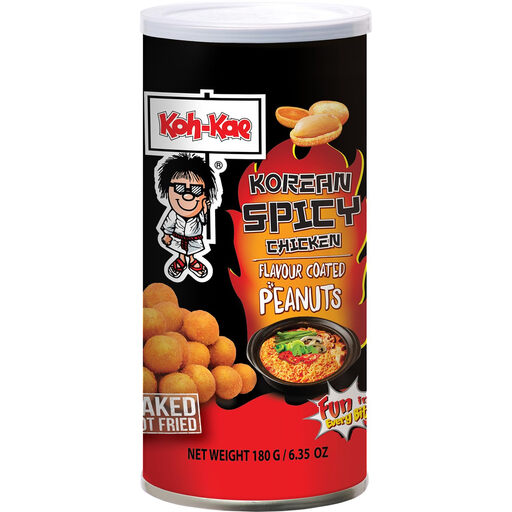
Why It Stands Out: These coated peanuts capture the popular flavor of Korean spicy chicken. The seasoning combines heat with a distinct sweetness, a hallmark of many Korean dishes.
Pros:
Who It's For: For fans of Korean cuisine and lovers of sweet-and-spicy flavor combinations. A great choice for social gatherings or as an accompaniment to a cold beverage.
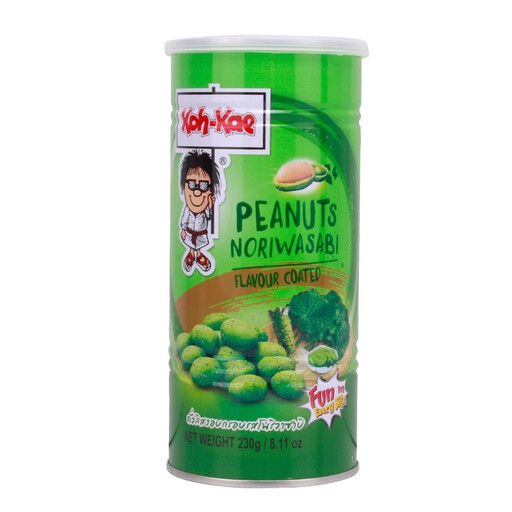
Why It Stands Out: This version of Koh-Kae peanuts combines the sharp heat of wasabi with the savory umami notes of nori seaweed. It's a classic Japanese snack flavor.
Pros:
Who It's For: For anyone who enjoys the unmistakable flavor of wasabi peanuts and is looking for an alternative to pure chili heat. Especially suitable for fans of Japanese snack culture.
The world of spicy peanuts is diverse, and tastes vary. If the products featured here don't quite match what you're looking for, or if you're seeking other varieties ranging from sweet-and-salty to mild-and-savory, it's worth exploring our broader assortment.
Discover more options in our Sweet & Salty Peanuts category.
The main difference lies in the type of heat and its chemical source. The heat from chilis comes from the molecule capsaicin, which binds to pain receptors in the mouth to create a burning, often long-lasting sensation. The heat from wasabi (and horseradish) is caused by allyl isothiocyanate. This molecule is volatile, which is why the heat quickly rises into the nasal passages and fades just as fast.
Coated peanuts tend to have a higher calorie count than plain, roasted peanuts. The flour or starch coating adds extra carbohydrates, and the roasting or frying process increases the fat content. For reference, the Koh-Kae Korean Spicy Chicken Peanuts contain 519 kcal per 100 g, according to their nutritional information. For precise values, it is always advisable to consult the nutrition facts panel on the product packaging.
While local supermarkets often carry a basic selection, you can find a much wider variety of authentic brands and flavors at specialized Asian markets or in well-stocked online shops. Platforms that specialize in importing Asian foods, such as Joybuy, often offer a curated selection of brands like Huang Fei Hong or Koh-Kae sourced directly from their countries of origin. This makes it easier to buy spicy snacks for anyone searching for a specific taste experience.