
Lieferung heute & morgen

Qualitätsgarantie

Willkommens-Angebote freischalten: KOSTENLOSE Lieferung | Bis zu 80 % RABATT | Kostenlose 30-Tage-JoyPlus-Testphase
App herunterladen
Finding the right red curry paste can be a challenge with so many options on the market. Whether you're planning a quick, aromatic weeknight dinner or recreating an authentic Thai dish, getting the base right is crucial. This buyer's guide will help you understand the differences between products and make an informed decision that matches your cooking needs and flavour preferences.
Before you buy red curry paste, the following criteria will help you find the right product for your kitchen.
The first decision is about the type of product. A traditional red Thai curry paste is a highly concentrated flavour base made from chillies, herbs, and spices. It offers maximum flexibility, allowing you to control the intensity and consistency of your sauce by adding coconut milk, broth, and other ingredients.
In contrast, a ready-made red curry sauce is a ready-to-use mixture that often includes coconut milk, sugar, and other seasonings in addition to the paste. It's ideal for quick and easy meals where you only need to add meat, fish, or vegetables.
The ingredients list reveals the flavour profile and potential allergens. Many authentic Thai curry pastes, such as Mae Ploy Curry Paste, contain shrimp paste (kapi), which provides a characteristic, deep, and savoury umami note.
For a vegetarian or vegan diet, or if you have a shellfish allergy, it's important to choose a curry paste without shrimp paste. Look for terms like "Garnelenpaste," "shrimp paste," or "crustaceans" on the ingredients list. There are numerous alternatives based exclusively on plant-based ingredients.
The main ingredient responsible for the colour and heat is dried red chillies. The heat level can vary significantly depending on the brand and recipe. In addition to heat, ingredients like lemongrass, galangal, kaffir lime peel, and coriander seeds shape the complex aroma of a high-quality Thai curry paste. A look at the order of ingredients can give a clue about the flavour focus: if chillies are listed first, expect a higher level of heat.
Here is a selection of products that cater to different needs—from quick weeknight meals to a traditional Thai cooking experience.
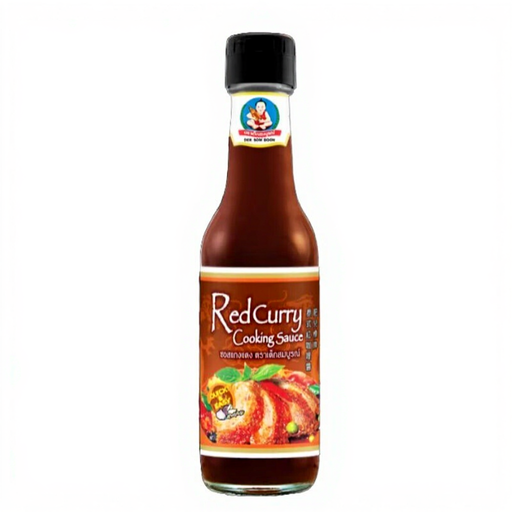
Why It Stands Out: This red curry sauce from Healthy Boy is a ready-to-use solution. It combines the flavour base with other ingredients into a finished sauce, significantly reducing preparation time.
Benefits:
Who It's For: Ideal for busy professionals, cooking beginners, and anyone who wants to prepare a flavourful Thai curry in a short amount of time without mixing individual seasonings.

Why It Stands Out:Mae Ploy Curry Paste is known for its authentic and robust flavour profile. The recipe includes shrimp paste, which gives it a traditional, complex depth valued in many Thai restaurants.
Benefits:
Who It's For: For home cooks and lovers of authentic Thai cuisine who appreciate the traditional taste of a red curry and want to control the final seasoning. Not suitable for vegetarians or individuals with a shellfish allergy.
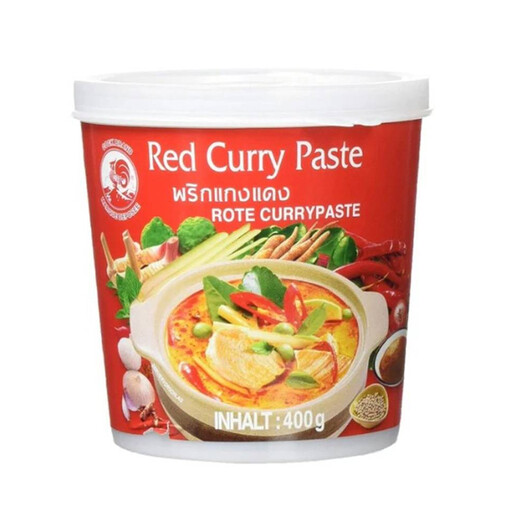
Why It Stands Out: This red curry paste from Cock Brand is made without added shrimp paste, making it purely plant-based. It offers a robust, spicy flavour based on a blend of dried red chillies, lemongrass, galangal, and spices.
Benefits:
Who It's For: An excellent choice for vegetarians, vegans, and anyone who avoids shellfish but doesn't want to compromise on the intense flavour of a Thai curry.
Haven't found the right product yet, or want to explore more varieties? The world of Thai sauces is diverse and offers something for every palate.
? Explore our full range of Thai sauces.
A simple red curry recipe typically starts by frying 1–2 tablespoons of the paste in a little oil over medium heat until the aromas are released. Then, add coconut milk and dissolve the paste in it. After that, you can add your desired protein (chicken, beef, tofu) and vegetables, and let everything simmer until cooked through. Finish by seasoning to taste with fish sauce, palm sugar, and lime juice.
After opening, curry paste should be stored tightly sealed in the refrigerator. To extend its shelf life, you can cover the surface of the paste in the jar with a thin layer of vegetable oil to minimise contact with air. Always follow the storage instructions on the manufacturer's packaging.
The main difference lies in the types of chillies and spices used: