
Lieferung heute & morgen

Qualitätsgarantie

Willkommens-Angebote freischalten: KOSTENLOSE Lieferung | Bis zu 80 % RABATT | Kostenlose 30-Tage-JoyPlus-Testphase
App herunterladen
Finding the perfect savory snack can be a daunting task. When it comes to spicy rice crackers, the market is vast, and the differences often lie in the details. This guide is designed to help you navigate the options by showcasing a curated selection of spicy rice crackers. Our goal is to provide you with objective information, helping you make an informed decision that perfectly suits your taste.
As your Joybuy Product Recommendation Officer, I have analyzed the available product information to give you a clear overview of the different options.
Before you choose a product, a few key criteria can help guide your selection. These are based on product characteristics and ingredient lists.
The main ingredient is crucial in determining the cracker's texture and base flavor.
The term “spicy” can be broad. A look at the ingredient list reveals the source of the heat. Paprika, chili powder, or pepper are common spices. Some spicy rice chips use complex seasoning blends that include salty, sweet, or umami notes in addition to heat. Products labeled as “lightly spicy” are suitable for beginners, while others offer a more intense kick.
Many of the most popular spicy rice crackers originate from Asia. These Asian rice crackers and Chinese snacks are often characterized by authentic, bold flavors. Brands like Want Want from Taiwan are renowned for their specific savory rice snacks and have a long-standing tradition.
Here is a detailed look at four different products available on the market. The descriptions are based on information provided by the manufacturer.
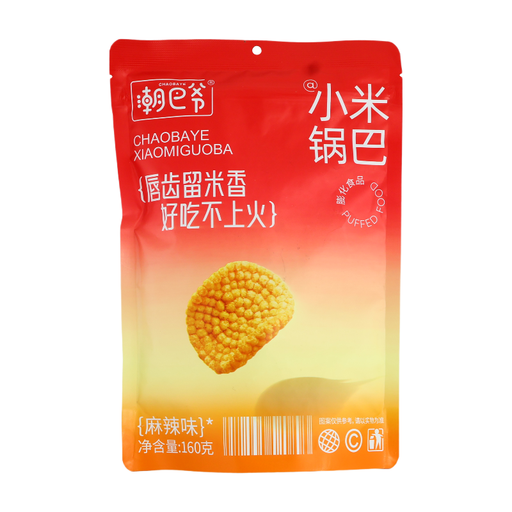
Why They Stand Out: These crackers combine wheat and corn flour with a bold seasoning of paprika and other spices. The texture is described as light and airy, creating a pleasant contrast to the intense flavor.
Benefits:
Who They're For: Those who prefer a very crispy snack with a distinct, spicy paprika note and appreciate an airy texture.
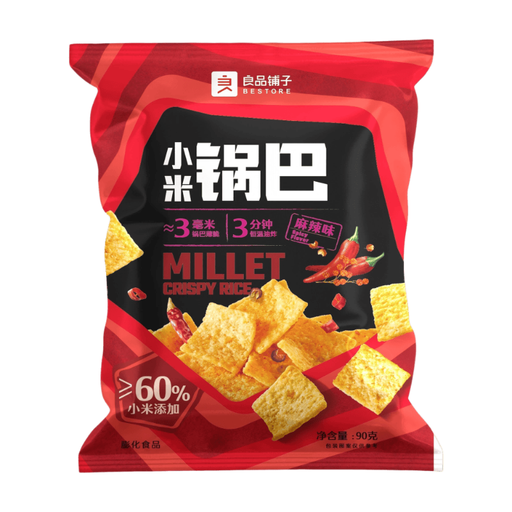
Why They Stand Out: These crisps are millet-based and enhanced with chili, pepper, and sesame. The Bestore brand is well-known in China for its snack products. The seasoning is described as aromatic and savory.
Benefits:
Who They're For: Snack enthusiasts who want to try millet crackers and enjoy a combination of heat and the nutty aroma of sesame.
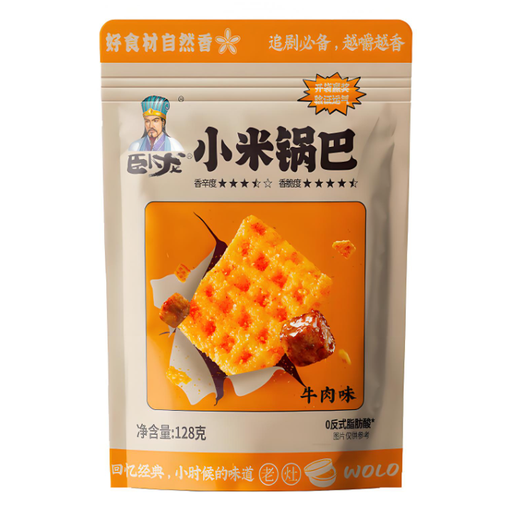
Why They Stand Out: These crackers offer an interesting flavor combination of spicy seasoning and beef aroma. The rice and millet base provides a firm bite.
Benefits:
Who They're For: Anyone looking for a snack with a distinctly savory, meaty umami flavor that goes beyond simple chili heat.
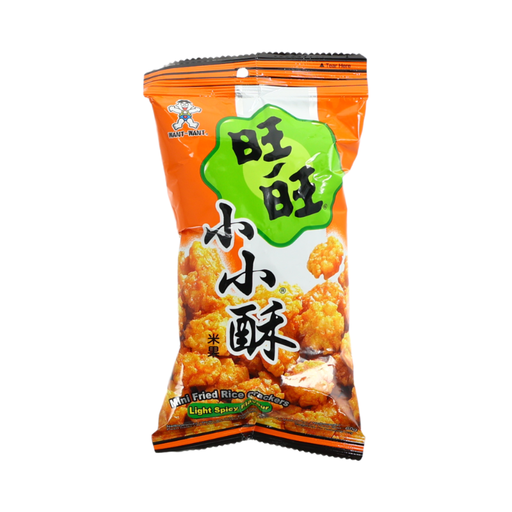
Why They Stand Out: The Want Want crackers are a classic from Taiwan. These mini crackers are fried, which gives them an exceptionally crispy texture. The seasoning is described as “lightly spicy” and is complemented by a sweet note from the soy sauce.
Benefits:
Who They're For: Those looking for an entry point into the world of spicy rice crackers or who prefer a milder heat combined with a sweet and savory note. Ideal for fans of the well-known Want Want brand.
The selection featured here covers a range of different flavors and textures. If you haven't found your preferred product or want to explore more varieties, you can find additional options in our broader category.
? Explore our full range of Chinese Rice Snacks
1. What makes Asian rice crackers so crispy? The crispiness of rice crackers depends on the manufacturing process. Many are baked, which results in a light, airy texture. Others, like the Want Want Mini Crackers, are fried in palm oil, giving them an especially intense and crunchy bite. The base ingredient—whether rice, millet, or a blend—also plays a crucial role in the final consistency.
2. Are rice crackers an alternative to potato chips? Rice crackers are a distinct snack category and differ from potato chips in several ways. Their base is grain (usually rice or millet) instead of potatoes, which leads to a different texture—often firmer and with a less greasy mouthfeel, unless they are fried. In terms of flavor, Asian rice crackers often feature complex profiles shaped by soy sauce, seaweed, or chili, which differ from the typical seasonings used for potato chips.
3. How spicy is “spicy” when it comes to these snacks? The perception of spiciness is subjective. A good indicator is the ingredient list. Products that list chili powder or pepper high up on the list tend to be spicier. Designations like “Light Spicy Flavor” suggest a milder heat. If you're unsure, it's advisable to start with a variety labeled as mild.