
Lieferung heute & morgen

Qualitätsgarantie

Willkommens-Angebote freischalten: KOSTENLOSE Lieferung | Bis zu 80 % RABATT | Kostenlose 30-Tage-JoyPlus-Testphase
App herunterladen
Anyone looking for an alternative to potato chips who also appreciates Asian cuisine will quickly discover spicy rice crackers. But the sheer variety can be overwhelming, and purchases often lead to disappointment. A snack advertised as 'fiery' turns out to be mild, the texture is chewy instead of crisp, or the flavour tastes artificial.
As your Joybuy Product Recommendation Officer, I'm here to help you navigate the marketing jungle. Instead of falling for empty promises, you should focus on objective criteria. We'll shine a light on the most common pitfalls and show you what really matters when buying spicy rice crackers.
Many consumers make the wrong choice because they let the packaging guide them. Two problems are especially common:
To avoid a bad purchase, focus on verifiable facts rather than marketing buzzwords. Two parameters are crucial for quality and the overall taste experience.
The base of every rice cracker is, as the name suggests, rice. But the variety and processing method make a huge difference.
'Spicy' isn't just 'spicy'. Asian snacks offer an impressive variety of heat types. If you know what you prefer, you can specifically buy spicy rice crackers that match your taste.
Based on these objective criteria, we have put together a selection of products for different preferences.
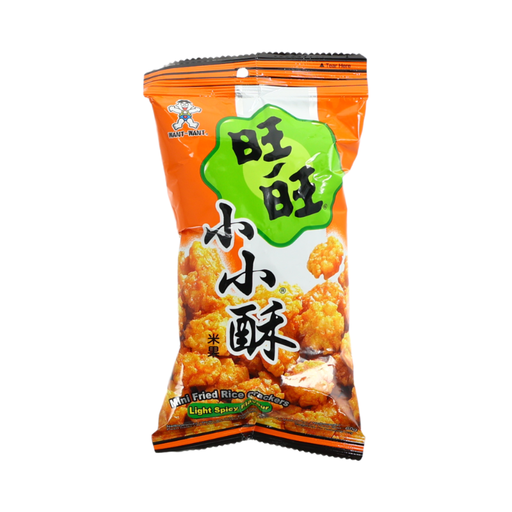
Why This Fits Their Persona: Ideal for anyone who enjoys savoury snacks but isn't looking for extreme heat. The Want Want brand is known for its accessible and popular snacks, and this version offers a great entry point into the spicy rice cracker segment.
The product name "Light Spicy Flavor" is an honest declaration, avoiding the trap of exaggerated heat claims. You get exactly what's advertised: a mild, pleasant spice.
Objective Advantage: The base of 48.8% rice ensures a classic, crispy texture. The seasoning with soy sauce and chilli powder delivers a balanced, savoury flavour.
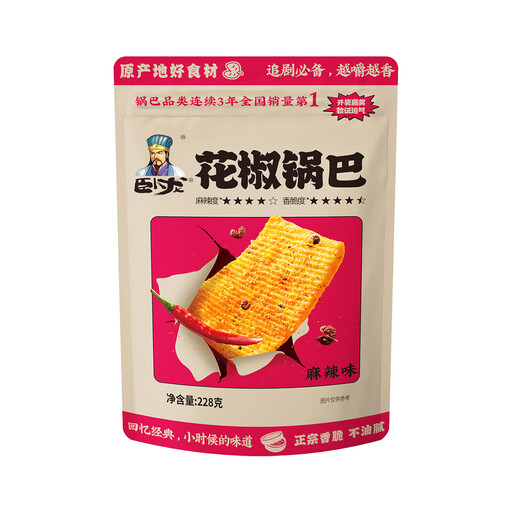
Why This Fits Their Persona: Perfect for connoisseurs specifically seeking the characteristic, numbing-tingling "Mala" aroma. This snack delivers an authentic taste experience that goes beyond simple chilli heat.
This product bypasses the artificial flavour trap by using real Szechuan pepper. The quantitative declaration (≥0.5%) in the ingredient list is a clear quality mark of transparency.
Objective Advantage: According to the manufacturer, a non-fried production method (low-temperature baking) is used. The high millet content of ≥60% provides a dense, firm texture.
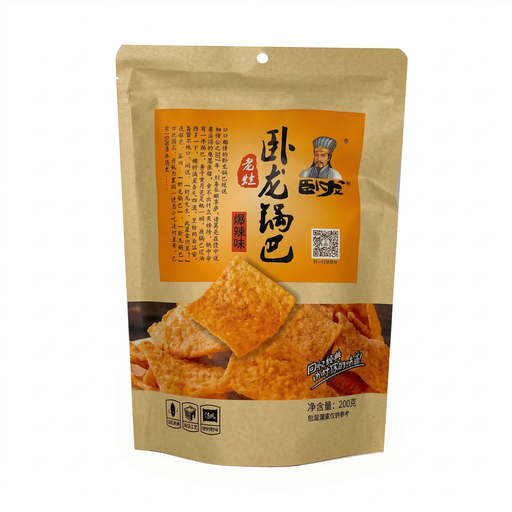
Why This Fits Their Persona: For experienced lovers of spicy food who are looking for a real challenge. The name "Explosive Spicy" says it all and is aimed at anyone who finds ordinary spicy snacks too boring.
This product makes good on its promise, avoiding the misleading heat level trap by actually delivering high intensity. The combination of chilli and Szechuan pepper ensures a complex, fiery heat.
Objective Advantage: The ingredient list is short and focused on the essentials: rice, palm oil, corn starch, chilli, Szechuan pepper, spices, and salt. This points to an unadulterated flavour.
We've compiled a complete, up-to-date list of products that meet these strict selection criteria.
Crispiness is crucial for enjoyment. To maintain it, you should always reseal the opened package airtight. It's best to transfer the contents to a resealable jar or storage container. Store the crackers in a cool, dry place, and protect them from direct sunlight.
"Mala" is the name for the characteristic flavour profile of Szechuan cuisine. It is composed of two Chinese characters: Má (麻), which describes the tingling, slightly numbing sensation of Szechuan pepper, and Là (辣), which refers to the burning heat of chillies. A snack with Mala flavour therefore offers both: intense heat and a unique tingling on the tongue.
Not necessarily. While the main ingredient, rice, is naturally gluten-free, many Asian snacks contain soy sauce, which is traditionally brewed with wheat. Some products may also contain wheat starch or other gluten-containing ingredients. To make a safe choice, it is essential to carefully check the allergen information on the product page or packaging. Wheat must be explicitly listed there as an allergen.