
Lieferung heute & morgen

Qualitätsgarantie

Willkommens-Angebote freischalten: KOSTENLOSE Lieferung | Bis zu 80 % RABATT | Kostenlose 30-Tage-JoyPlus-Testphase
App herunterladen
For connoisseurs of intense flavours, spicy snacks are more than just a nibble—they're a culinary adventure. Yet, the market is flooded with products that promise more than they deliver. From disappointingly mild "chilli" crisps to snacks with an artificial, unpleasant heat, making the right choice can often feel like a gamble. This guide will help you avoid the most common pitfalls and find products that offer a balanced and authentic spiciness.
Before you next reach for a packet promising extreme heat, you should be aware of two typical problems that often lead to a disappointing purchase:
To ensure you get savoury snacks that are not only hot but also delicious, you should focus on two key criteria.
The way the heat is created is crucial for the overall taste experience. Check the ingredients list for the exact terminology.
A good spicy snack is multi-dimensional. The heat should complement, not dominate, the other flavours—salty, sweet, sour, or umami. Look for products that feature a well-thought-out composition. Asian spicy snacks are often a great example, as they frequently use complex spice blends that combine heat with sweetness (e.g., in spicy sweets like chilli mango) or the savoury umami taste of soy sauce or seafood. Spicy crisps also benefit from a balanced seasoning where garlic, onion, or cheese add depth alongside the chilli.
Here are some recommendations tailored to different preferences and occasions.
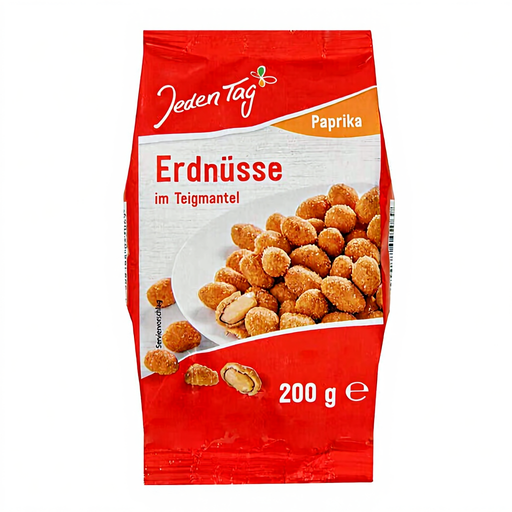
Why it's a great fit: Ideal for anyone looking for a dependable and moderately spicy snack for everyday enjoyment or parties. The combination of crunchy peanut and a savoury paprika-chilli note is approachable and won't overwhelm the palate.
The product relies on a clear seasoning profile with chilli powder and paprika instead of vague flavourings. The heat is present but well-dosed, meeting the expectations for a snack with this name.
Excellent value for money and a familiar flavour profile make this snack a safe bet for social gatherings.
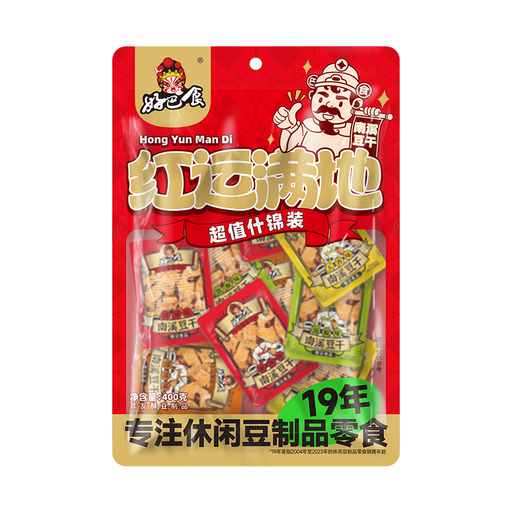
Why it's a great fit: For anyone bored with standard crisps and eager to try authentic Asian spicy snacks. This set offers four different flavours of seasoned tofu, including the famous Mala flavour from Sichuan.
Instead of just being "hot," this pack delivers four clearly defined, complex flavour profiles (Mala, BBQ, Five-Spice, Pickled Chilli). It avoids the trap of artificial heat by using real spices and regional recipes.
Four authentic flavours in one pack allow for a culinary journey of discovery. The firm, chewy texture of the tofu offers a welcome change from conventional snacks.
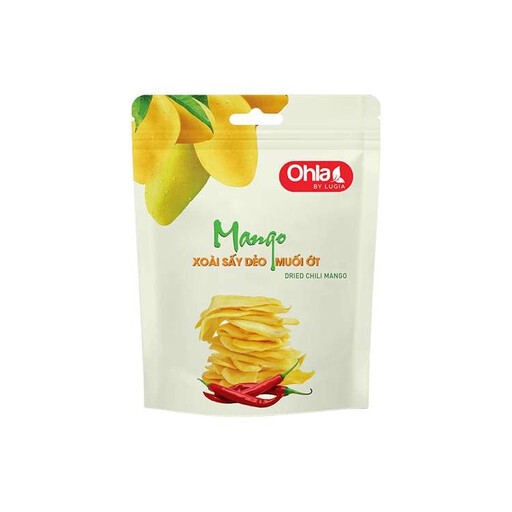
Why it's a great fit: Perfect for adventurous eaters looking for a change from salty snacks. This spicy sweet combines the tropical sweetness of dried mango with a pleasant, piquant chilli note.
The product expertly balances sweetness and heat, rather than letting one component dominate the other. The ingredients list is short and clear, with real chilli providing the spiciness.
A unique flavour combination that works well as a standalone snack or as an intriguing pairing with cheese or drinks. Made from real mangoes.
For those who prefer to customise the heat in their own dishes, we have curated a selection of high-quality seasonings that meet our strict selection criteria.
The Scoville scale (SHU, Scoville Heat Units) measures the concentration of capsaicin, the compound that gives chillies their heat. A standard jalape?o has about 2,500–8,000 SHU. This rating is rare on snacks, but when present, it provides a good reference point. A snack with 25,000 SHU (like the KOT?NYI Chili mit Meersalz Extra Scharf) is already significantly hotter than a typical spicy crisp.
If a snack turns out to be too hot, water is of limited help. Capsaicin is fat-soluble, not water-soluble. Dairy products like milk, yoghurt, or cheese are more effective, as the fat and protein (casein) they contain can bind to the capsaicin and soothe the heat. Starchy foods like bread or rice can also help.
No, that's a common misconception. Asian cuisine features an enormous variety of heat levels and types. The "Mala" flavour from Sichuan, for example, combines heat with a numbing sensation from Szechuan peppercorns. Korean heat (often from gochujang paste) frequently has a sweet and fermented depth. It's worth reading product descriptions carefully to understand the type of heat, rather than assuming a uniform, extreme spiciness.