
Lieferung heute & morgen

Qualitätsgarantie

Willkommens-Angebote freischalten: KOSTENLOSE Lieferung | Bis zu 80 % RABATT | Kostenlose 30-Tage-JoyPlus-Testphase
App herunterladen
Toys for children should suit their age, surroundings and interests. In practice, unclear age recommendations, missing accessories and underestimated ongoing costs often lead to unsuitable purchases. It’s worth checking the product details carefully, especially for remote-controlled toys, electric ride-on toys for children and battery-powered active play equipment.
The label ‘from 3 years’ sets an age threshold; it doesn’t mean a toy will be ideal for every child. Children’s height, motor skills and experience can vary considerably. For example, an electric quad with a weight limit of 25 kg should be assessed differently from a children’s go-kart with an adjustable seat and a higher weight limit.
LED lights, sound effects and motors can make a toy more appealing, but they need batteries or regular charging. Before you buy, check:
A wooden toy, such as a wooden play kitchen or a doctor’s kit for children, is usually ready to use straight away and needs no power supply.
Words such as ‘robust’, ‘safe’ or ‘suitable for all terrain’ say little without technical details. More useful information includes materials, weight limits, speed settings, range, dimensions and supervision guidance.
Check the manufacturer’s age recommendation and any warnings about small parts that could be swallowed. Even toys for children aged 3 and over may contain components that should only be used under supervision. For products with button batteries, the battery compartment must close securely. The CE marking indicates that the manufacturer has taken the relevant EU requirements into account; it does not replace checks by the responsible adult.
For toys with flashing LEDs, families should also check any guidance about light sensitivity. This applies, for example, to football toys with light effects and air-power football sets.
For wooden toys, smooth edges, a sturdy construction and clear information about the paint or finish are important considerations. A wooden play kitchen should be stable and come with accessories that are easy for little hands to use. For plastic ride-on toys, tyre tread, seat stability and the weight limit matter more than eye-catching looks.
For role-play toys such as a fire engine play set or a doctor’s kit, check for loose small parts, sharp edges and fastenings that come undone easily.
Indoor toys should suit the available space at home. According to the product description, an air-power football works on smooth floors such as tiles or wood, as well as very thin carpets. Outdoor toys, on the other hand, need a suitable surface and plenty of space away from roads, stairs and water.
For electric ride-on toys for children, voltage, speed, battery capacity, running time, drive type and maximum user weight are all important. A helmet and suitable protective equipment are essential. These toys are generally not intended for use on public roads; always follow the relevant manufacturer’s guidance.
The selection below groups toys for children by everyday situations, rather than making broad judgements about quality.
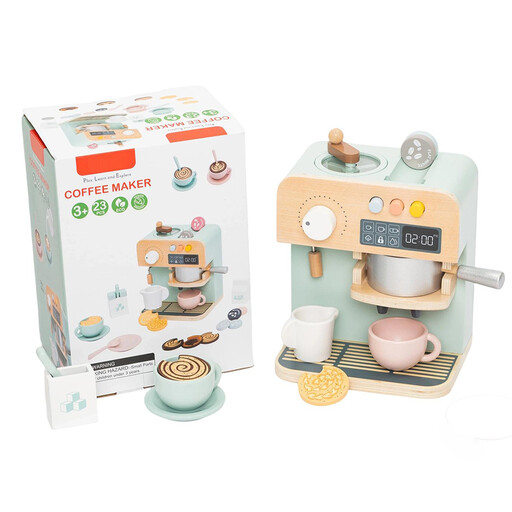
Why this product suits this need: This battery-free role-play toy is suitable for children aged 3 and over and can be added to an existing play kitchen.
No batteries or ongoing electricity costs; the product description also mentions rounded edges.
23 accessories and several mechanical play features, including a lever, milk frother and coffee grinder.
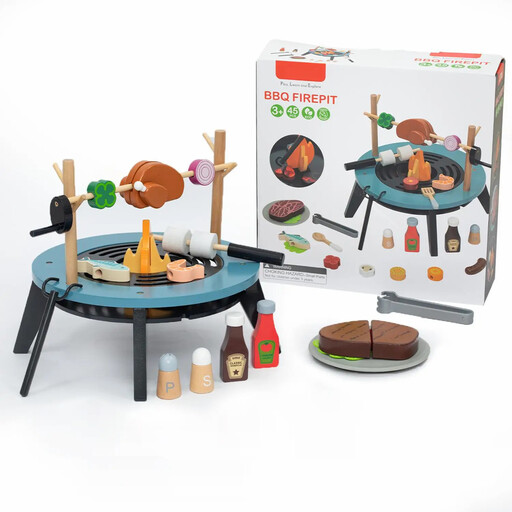
Why this product suits this need: For families who want to bring creative play into both the garden and the playroom, this set offers two grill options and a generous range of accessories.
The description highlights a stable four-legged base and smooth play features that need no batteries.
14 ingredients, spices and cooking utensils, plus two grilling areas for shared role-play, suitable for ages 3 to 8.
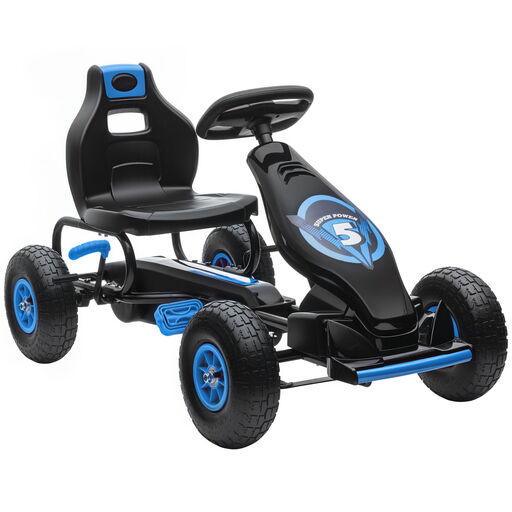
Why this product suits this need: This pedal-powered ride-on is designed for active children aged 5 to 13 and doesn’t need a battery.
No charging time or battery costs; the seat adjusts to three positions to help the go-kart grow with your child.
Handbrake, reverse gear, freewheel function, air-filled tyres and shock absorption; the description gives a maximum load of 50 kg.
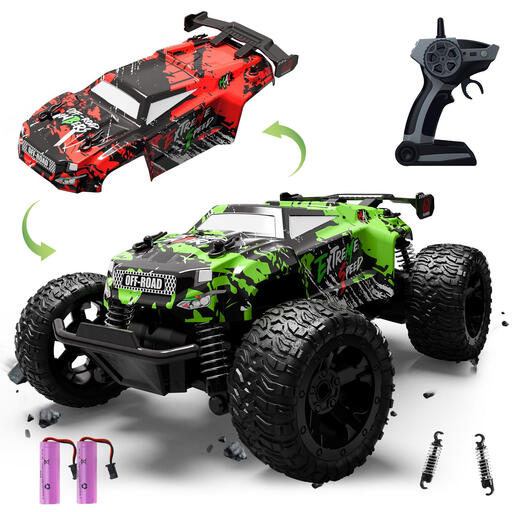
Why this product suits this need: For children who want to use a remote-controlled toy on different surfaces, the combination of remote control and off-road tyres is a useful feature.
The description specifies two batteries, a range of over 50 metres and a protected chassis, rather than relying on vague performance claims.
2.4 GHz remote control, LED lights and shock absorbers, with up to 60 minutes of play time according to the product details.
We’ve put together a complete, regularly updated list of products that meet these strict selection criteria and fully comply with the safety regulations in force in the EU.
Look for products with a clear age recommendation, a manageable number of accessories and easy-to-grip parts. A wooden play kitchen, a doctor’s kit for children or a simple fire engine play set encourages role-play without complicated controls. Small parts should only be used under supervision.
How long they last depends on the load, surface, care and battery maintenance. Check the maximum weight limit, charge the battery regularly as instructed by the manufacturer and store the toy somewhere dry. Check the tyres, brakes, switches and charging ports before each use.
Air-power footballs, LED toys and remote-controlled products all incur costs for batteries or charging. Check the type and number of batteries required, and whether rechargeable batteries can be used. Battery-free alternatives such as wooden toys or a pedal-powered go-kart help reduce these ongoing costs.