
Lieferung heute & morgen

Qualitätsgarantie

Willkommens-Angebote freischalten: KOSTENLOSE Lieferung | Bis zu 80 % RABATT | Kostenlose 30-Tage-JoyPlus-Testphase
App herunterladen
Baby toys should be suitable for your child’s age, safely made and genuinely useful in everyday life. The choice ranges from baby rattles and teething rings to interactive learning toys. But colourful packaging and lots of features don’t automatically make a toy the right choice.
A toy may look suitable for babies in product photos, even if the manufacturer recommends it only for children aged 12 months and over. Small parts, battery compartments and moving components may not be suitable for younger children. That’s why it’s important to check the specific age recommendation on the product page, rather than relying on the label ‘baby toy’.
Lights, music and buttons make a product interactive. But for babies, it’s important to consider whether they can operate the features themselves, and whether the toy’s shape, weight and surface are right for their stage of development. A musical toy with too much going on can also quickly become a nuisance in everyday life if you can’t adjust the volume or change the tunes.
Soft toys, fabric pendants and teething rings regularly come into contact with little hands and mouths. Not every material can go in the washing machine or be submerged in water. Seams, rattling parts, battery covers and fastening straps should also be checked regularly for damage.
For baby toys from birth, look for lightweight, easy-to-grip products with a soft design and no loose small parts. Examples include a fabric pendant for a pram or car seat, a simple rattle or a music box with a removable mechanism.
From around six months, many children become more interested in sounds, cause and effect, and different textures. Motor skills toys, soft balls and simple interactive products can be a good choice at this stage. From around 12 months, push-along toys, sorting games and early construction toys become suitable options. Toddler toys should be stable and suited to the space your child has to move around in.
Look for:
EN71 marking covers, among other things, mechanical and physical properties, flammability and the migration of certain substances. However, it doesn’t replace adult supervision. Even a tested product should be checked regularly for wear and tear.
A toy for outings should be easy to attach and clean. At home, stability, the space it takes up and volume control are more important. For larger motor skills toys, such as foam building blocks, grip on the floor, covers and ease of cleaning also matter.
For electronic products, check whether batteries are included, how many are needed and whether they can be replaced. Mechanical music boxes don’t need batteries, but the music mechanism must be removed before washing.
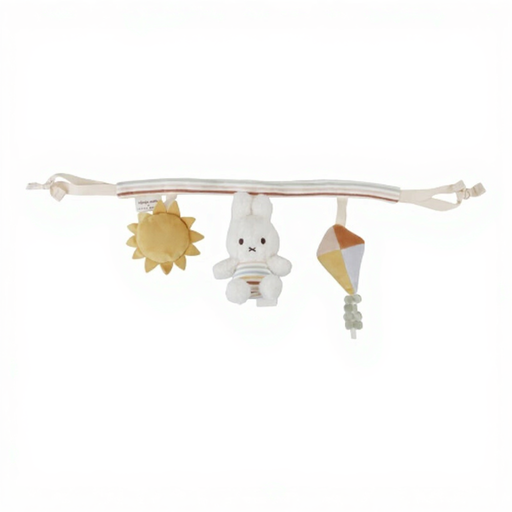
Why this product suits this profile: According to the product information, this fabric pendant is suitable from birth and can be attached to a standard car seat or pram handle. Three soft pendants offer a range of sounds and textures.
It’s clearly designed for use on the go. Check the fastening before each use. The product isn’t intended for chewing and must not be submerged in water.
Suitable from birth, with three soft play elements and a fastening chain for a car seat or pram.
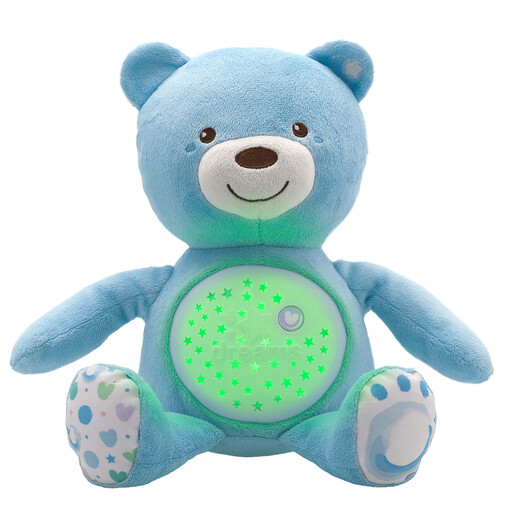
Why this product suits this profile: This soft toy bear combines three light effects with 30 minutes of melodies. The electronic unit can be removed, so the soft toy is machine washable according to the product information.
The removable electronic unit keeps washing and technology separate. Remove it before washing, and be sure to observe the small-parts warning and minimum age recommendation of one month.
Removable electronics compartment, machine-washable soft toy and an age recommendation of 1 month to 3 years.
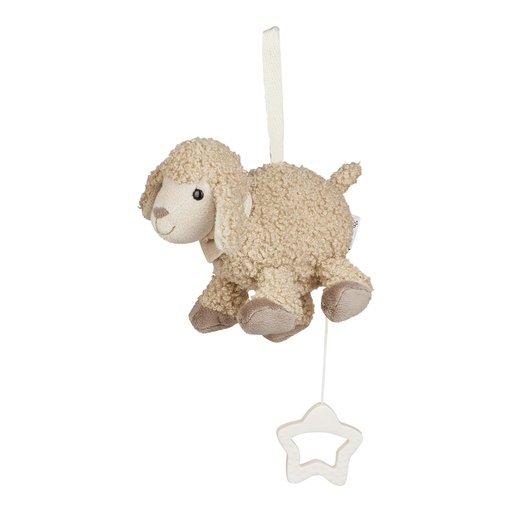
Why this product suits this profile: This mechanical music box is suitable for babies from birth and can be attached to a pram, car seat or baby carrier. It doesn’t need batteries.
The music mechanism can be removed through the safety fastener before cleaning. This keeps caring for the fabric body separate from the mechanism.
Suitable from birth, no batteries required, removable music mechanism and fabric body washable at 40 °C.
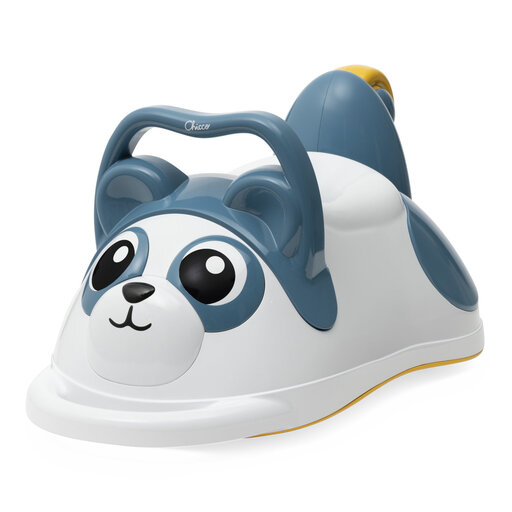
Why this product suits this profile: According to the product information, it’s designed for children aged 12 to 36 months and converts between a ride-on toy, sorting station and wheelbarrow configuration. It’s suitable for indoor play where there’s enough room to move around.
Age limits are given for each configuration. As there’s no braking system, don’t use the product on stairs, slopes or roads.
Three ways to play, a maximum load of 20 kg and clear guidance on supervision and where it can be used.
We’ve put together a complete, regularly updated list of products that meet these strict selection criteria and fully comply with the safety regulations in force in the EU.
Before each use, quickly check baby toys for cracks, loose seams, peeling stickers and damaged fastenings. The surface of teething rings and rattles shouldn’t be sticky or split. Clean products only as directed by the manufacturer. Don’t submerge electronic toys in water unless the manufacturer specifically says you can.
There’s no set lifespan for toys. It depends on the material, how often the toy is used and how well it’s cared for. Replace a product as soon as any safety-critical parts are damaged or small parts come loose. Toys with batteries should also be stored in a dry place, and their battery compartments checked regularly.
From birth, you can choose soft fabric pendants, simple rattles and music boxes with a suitable age recommendation. Look for securely stitched parts and safe fastenings, and make sure your baby uses the toy under supervision. Toys with small parts or an age recommendation of 12 months and over shouldn’t be given to a newborn.
A small selection that you rotate is usually enough: for example, a rattle, a teething ring, a soft toy and, later on, a motor skills or musical toy. Having fewer products makes them easier to check, clean and store. What matters is whether they suit your child’s stage of development, not how many you have.
Electronic baby toys can help babies explore cause and effect, provided they can activate the buttons or movements themselves. Check for volume control, a secure battery compartment, an appropriate age recommendation and easy cleaning. Music and lights should be an added feature, not a substitute for safety and practical considerations.