
Lieferung heute & morgen

Qualitätsgarantie

Willkommens-Angebote freischalten: KOSTENLOSE Lieferung | Bis zu 80 % RABATT | Kostenlose 30-Tage-JoyPlus-Testphase
App herunterladen
Toys for children should be age-appropriate, durable and practical for everyday use. But products such as electric ride-on vehicles, craft kits, construction sets and remote-control cars can vary considerably in how they work, how much space they need and what safety requirements they have. Eye-catching features alone won’t tell you whether a product is right for your child and where they’ll use it.
The age guidance on the packaging is a useful starting point, but it doesn’t replace an individual assessment. For example, an electric car for children may be intended for ages 3 to 7, but it also needs enough space, level ground and constant adult supervision. With an RC stunt car, reaction time, the remote control and handling small parts are important considerations.
Figures such as ‘up to 45 minutes’ depend on factors including the surface, load, speed and breaks. When buying an electric vehicle, don’t just check the battery capacity. Find out how long it takes to charge, whether an original charger is included, and whether replacement parts or batteries are available.
Music, LED lights, remote controls and large tyres can add to the fun. Before buying, however, weight limit, braking and stopping systems, small parts, material information and intended use matter more. An electric scooter for children or an electric quad for children isn’t designed for public roads. A cycle helmet and suitable protective gear are essential for outdoor use.
Compare the age guidance with your child’s physical development. For ride-on toys, maximum user weight, seat height, handlebar position and control reach are particularly important. For example, the Track Seven electric vehicle in our recommendations below has a stated weight limit of 30 kg, while the electric quad for children is designed to carry a maximum of 25 kg.
A balance bike for children should have an adjustable seat and handlebars, so you can adapt the fit as your child grows. A model that’s too large or heavy can be difficult to use, even if the recommended age seems suitable.
For indoor use, choose compact products without hard, protruding edges, such as an indoor football toy with a foam ring. Electric vehicles need dry, level ground, away from stairs, water and steep slopes. A remote-control car for children can be used on grass, gravel or sand, but check it for dirt and loose parts after play.
For construction sets and craft products, the number of pieces isn’t the only thing to consider. Check whether your child can understand the instructions independently and whether there’s enough room to sort the pieces. A construction toy for ages 12+ with 1,876 pieces is more suited to teenagers or adults than younger children.
For vehicles, regularly check the screws, handlebar clamp, wheels, connectors and charging ports. Don’t clean electrical products with water; a soft, slightly damp cloth is usually enough. Keep small parts and batteries out of reach of younger children.
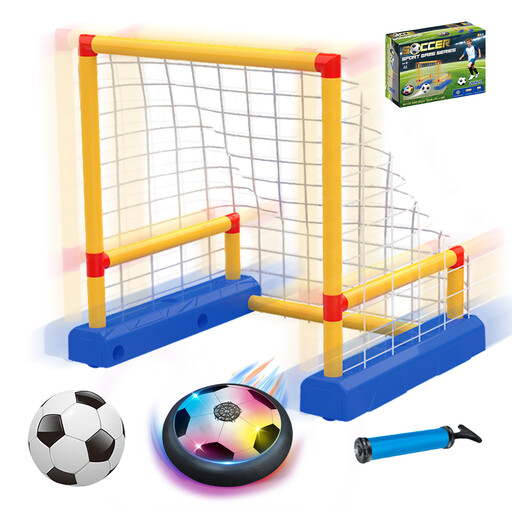
Why it’s a good fit: This set doesn’t need a large outdoor area and is intended for children aged 3 and over. It’s great for active games together on flat indoor surfaces.
The foam ring is designed for use on smooth surfaces and helps reduce the risk of furniture or floors coming into direct contact with a hard surface. Requires four AA batteries, which aren’t included.
LED lighting, a 3-in-1 play concept and a lightweight design for use on tiles, wood or very thin carpet.
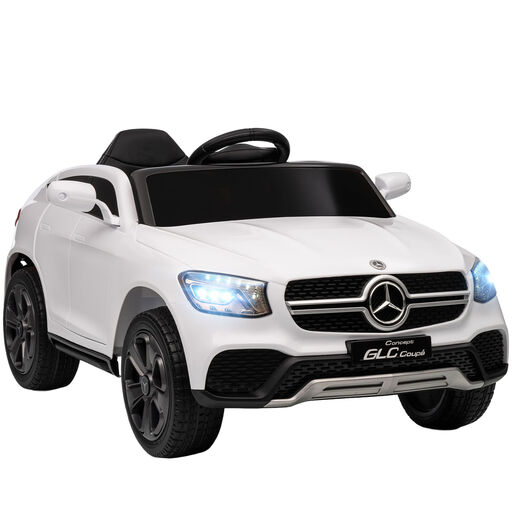
Why it’s a good fit: Parents can choose between letting their child drive independently or using the 15-metre-range remote control. Three speed settings, from 3 to 5 km/h, allow for a gradual introduction.
Gradual acceleration, a seat belt and remote control help address the risk of sudden acceleration. The stated play time is up to 80 minutes.
Two operating modes, LED lighting, a music function and two 25-watt motors, according to the product description.
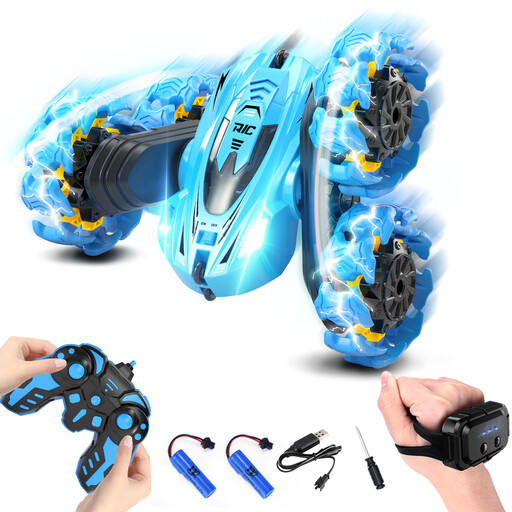
Why it’s a good fit: For children aged 3 to 10 who want to try out a range of driving manoeuvres. The vehicle is described as suitable for different surfaces, including gravel, grass and sand.
The remote control operates at 2.4 GHz and has a stated range of up to 40 metres. Two batteries are included, so there’s no need to buy replacements straight away.
360-degree turns, the ability to drive on either side, LED lighting and a stated play time of around 50 to 60 minutes.

Why it’s a good fit: With 1,876 pieces, this three-storey model is aimed at teenagers aged 12 and over, as well as adults looking for a longer building project to enjoy at home.
The clear age recommendation of 12 and over sets this kit apart from toys for very young children. With so many small pieces, it’s a good idea to store them in sorted containers.
Modular three-storey design, LED lighting on every floor and ABS building blocks, according to the product information.
We’ve put together a complete, regularly updated list of products that meet these strict selection criteria and the safety regulations in force in the EU.
For creative children aged 5 to 12, a diamond painting kit for children can be an alternative to ride-on toys and construction sets. The DATIFF mandala kit includes small decorative gems; because of the small parts, it isn’t suitable for children under 3 and should be used under supervision.
An RC stunt car with lights and sound is a good choice for children who enjoy short bursts of action-packed play. For older children aged around 7 and over, a freestyle scooter for children or a sturdy balance bike could also be worth considering. When using a scooter, a helmet, a level practice area and a check of the clamp, handlebars and brake before every ride are essential.
Simple vehicles, dinosaur figures without loose small parts or indoor football toys may be suitable. The key things to consider are the specific age recommendation, the size of individual parts and your child’s ability to use the product safely. According to the product information, the SCHLEICH Tyrannosaurus Rex dinosaur figure is intended for children aged 3 and over; the movable jaw should not be used for biting, however.
Battery life varies by model and how it’s used. The product information available here, for example, states up to 45 minutes for certain 12-volt vehicles and up to 80 minutes for an electric car with remote control. These are manufacturer claims based on specific conditions. After each use, charge the battery according to the instructions and store it in a dry place.
Products that use AA batteries incur regular costs for disposable batteries or rechargeable ones. Electric vehicles, on the other hand, use electricity for charging, and frequent use may mean you need replacement parts such as tyres or batteries. Before buying, check the charger, battery type, availability of spare parts and maintenance instructions.