
Lieferung heute & morgen

Qualitätsgarantie

Willkommens-Angebote freischalten: KOSTENLOSE Lieferung | Bis zu 80 % RABATT | Kostenlose 30-Tage-JoyPlus-Testphase
App herunterladen
The ability to buy international spirits and wine online opens up a world of new flavour experiences. From Japanese whisky and Chinese wine to Korean rice wine, the selection is vast. However, this diversity also has its pitfalls. Vague product descriptions and unclear origins can easily lead to a disappointing purchase. This guide will help you identify the crucial criteria and make an informed choice.
Before you make your selection, you should be aware of three common issues that often lead to disappointment:
To ensure you're getting the right product, you should check three core parameters. These provide objective indicators of a spirit's or wine's quality and suitability.
A reputable product always lists its place of manufacture and the responsible importer within the EU. This transparency is a key sign of authenticity.
The ingredients list is the most reliable source for understanding a product's true nature.
Look for descriptions based on verifiable facts.
To illustrate how to apply these criteria, we've matched a few products from our range to different user profiles.
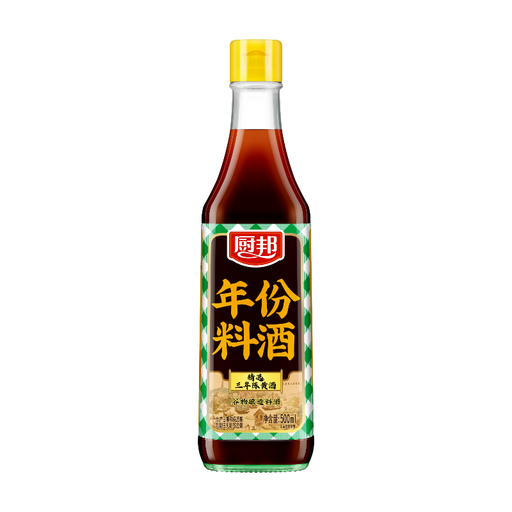
Why this product is a great fit: Ideal for anyone wanting to prepare authentic Chinese dishes. This cooking wine is an essential ingredient for marinating meat or enhancing stir-fries and stews.
The ingredients list clearly shows that this is a salted rice wine (87% rice wine, salt). This avoids the trap of unclear product categorisation—it is explicitly a cooking wine, not a drinking wine.
The high rice wine content and the addition of spice extracts provide an authentic aroma that counteracts odours from meat and fish.
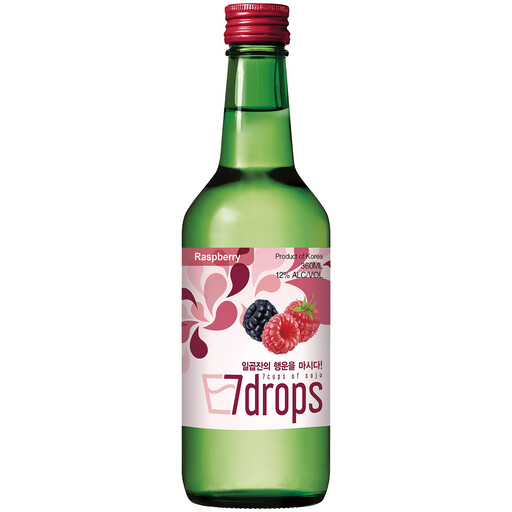
Why this product is a great fit: A modern, approachable take on Korean soju. With its low alcohol content and fruity flavour, it's perfect for parties, K-BBQ nights, or as a base for simple cocktails.
The product is clearly declared as a flavoured beverage with 12% ABV. It avoids the trap of pretending to be a traditional, high-proof soju, instead targeting an audience looking for a light, sweet drink.
The drink is ready-to-serve and requires no mixing. The serving suggestion (ice-cold, neat, or with tonic) is precise and practical.
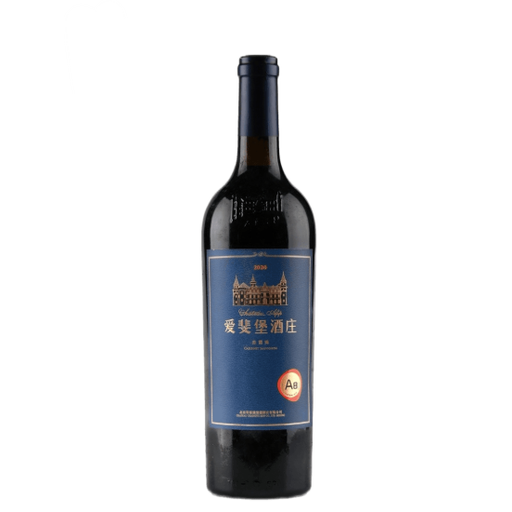
Why this product is a great fit: For wine drinkers seeking a high-quality, complex red wine and who are open to discoveries beyond classic European regions. This Chinese wine offers an impressive structure.
The description bypasses vague marketing terms and instead provides facts: grape variety (Cabernet Sauvignon), ageing (over 16 months in French oak barrels), and specific aromas (ripe plum, coffee, toast).
The detailed information on production and flavour profile allows for an informed purchasing decision. The food pairing recommendations (e.g., grilled red meat, aged cheese) are precise and well-suited to the wine's structure.
We have compiled a complete, up-to-date list of products that fully meet these strict selection criteria and German regulations.
Look for three things: a clear indication of the country of origin and the original manufacturer (e.g., "Jiangji Distillery" for Jiangxiaobai Baijiu), the mention of a responsible EU or German importer on the label or in the product description, and a transparent ingredients list that corresponds to traditional raw materials (e.g., sorghum, rice).
The main difference is the salt content. Cooking wine, like Chinese Shaoxing wine, has salt added to preserve it and to season food. It is not suitable for drinking due to its high salt content. Drinking wine contains no added salt and is selected based on criteria like grape variety, vintage, and flavour profile.
If you order from a retailer based in Germany or the EU that ships goods from an EU warehouse, you as the customer will not incur any additional customs fees or import taxes. The price displayed is the final price (plus shipping costs). Reputable retailers like Joybuy.de, which operate through a German GmbH (limited liability company), handle all import formalities in advance.