
Lieferung heute & morgen

Qualitätsgarantie

Willkommens-Angebote freischalten: KOSTENLOSE Lieferung | Bis zu 80 % RABATT | Kostenlose 30-Tage-JoyPlus-Testphase
App herunterladen
Whether you're dealing with burnt-on grease in a favourite pan, delicate glassware that needs a streak-free shine, or the need for a hygienic cleaning solution, choosing the right kitchen sponge can make daily kitchen chores much easier. However, with a vast array of materials, shapes, and features, it's not always easy to find the perfect match.
This article serves as your practical guide. We'll introduce different types of dish sponges and provide clear recommendations to help you select the ideal product for your specific cleaning needs.
To make the right choice, it helps to understand a few key criteria. The material, hygienic properties, and intended use are all crucial factors.
The most important distinction for a cleaning sponge is its abrasiveness.
A dish sponge is a utility item that regularly comes into contact with moisture and food particles. To minimise bacterial build-up, quick-drying materials are a major advantage. Some models also offer special features, such as an antibacterial sponge with a scouring surface treated to inhibit bacterial growth. Regardless of the material, it's recommended to replace kitchen sponges every one to two weeks, depending on frequency of use.
For certain tasks, specialised solutions are available. Soap-filled sponges come pre-loaded with a cleaning agent and are ready to use out of the box—ideal for quick, powerful cleaning of pots and pans. A versatile all-purpose sponge with two different sides combines a soft wiping surface with a rougher scouring side, covering most daily cleaning jobs.
Based on the criteria above, we've curated a selection of products that meet a variety of household needs.

Why they stand out: The abrazo cleaning pads are fully saturated with a plant-based soap. This formula is designed to powerfully dissolve grease and burnt-on food. The fine microfibres clean thoroughly without damaging the material, leaving a brilliant shine on pots, pans, and modern kitchenware.
Pros:
Who are they for? These cleaning pads are an excellent choice for anyone seeking a high-performance solution for stubborn messes on non-sensitive materials like stainless steel or cast iron. The vegan soap formula also makes them an attractive option for eco-conscious households.
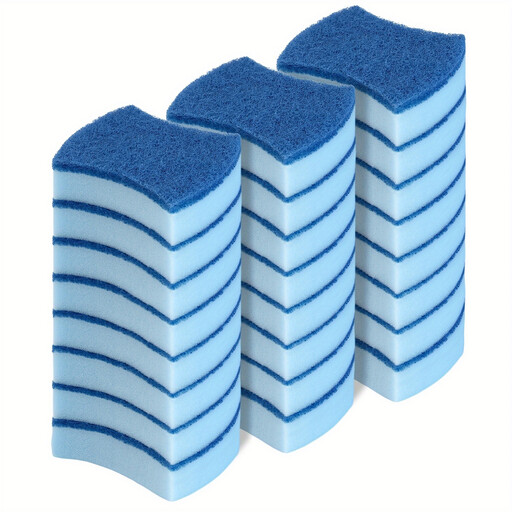
Why it stands out: This all-purpose sponge combines a soft, absorbent cellulose side with a durable, non-scratch scouring layer. This makes it a versatile tool for nearly any surface in the kitchen and around the home. The bulk pack of 24 also offers excellent value for money.
Pros:
Who is it for? The emmama sponge is ideal for households that need a reliable and gentle dish sponge for everyday use. It's especially well-suited for cleaning delicate cookware and surfaces where scratches must be avoided.
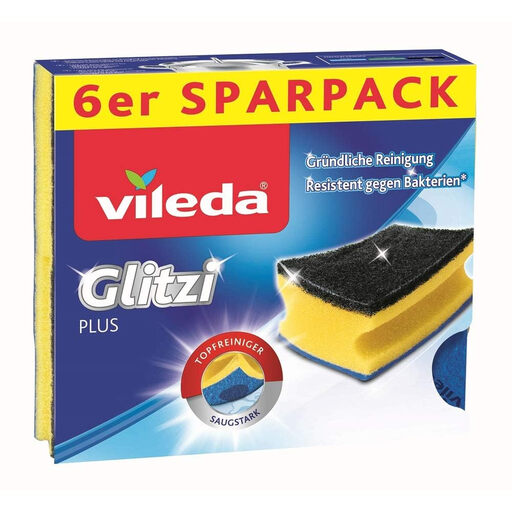
Why it stands out: The Vileda Glitzi Plus is distinguished by its ergonomic grip ridge, which protects hands and fingernails during washing. Another key feature is its black scouring side, which Vileda states has an antibacterial effect that prevents 99.9% of bacterial growth on the scouring surface.
Pros:
Who is it for? This kitchen sponge is a fitting choice for users who place a high value on hygiene and prefer comfortable handling. The grip ridge makes it practical for longer washing sessions.
If our selection doesn't include the perfect cleaning sponge for your specific needs, there are many more alternatives to discover. From special sponges for glass to options made from sustainable materials, the selection is vast.
Browse our comprehensive dish sponge category to find the right product for your kitchen.
For hygienic reasons, it's recommended to replace a kitchen sponge every one to two weeks with daily use. As soon as the sponge develops an unpleasant odour or shows visible signs of wear, it should be discarded.
For coated pans and pots, a non-scratch sponge is essential. Models with a soft cellulose or microfibre surface, or a scouring side specifically labelled as "non-scratch," are the right choice to avoid damaging the non-stick coating.
Many sponges can be cleaned at high temperatures in the dishwasher (in the cutlery basket) or for a short time in the microwave (when wet) to reduce the germ count. Be sure to follow the manufacturer's instructions. However, this does not replace the need for regular replacement.