
Lieferung heute & morgen

Qualitätsgarantie

Willkommens-Angebote freischalten: KOSTENLOSE Lieferung | Bis zu 80 % RABATT | Kostenlose 30-Tage-JoyPlus-Testphase
App herunterladen
The selection of sports balls is huge, but not every ball lives up to its promise. Whether it's for a spontaneous game in the park, as backyard games for the family, or for dedicated training, the right choice is crucial for both fun and durability. Many buyers are drawn to appealing designs or seemingly low prices, only to find the ball is unusable after a short time. This guide will help you navigate the common pitfalls and find a ball that perfectly matches your needs.
As your Joybuy Product Recommendation Officer, I'll filter the essential information for you, so you can make an informed decision without being swayed by marketing promises.
A bad purchase isn't just annoying; it costs you money. Watch out for these three common problems to avoid them from the start:
To find the right sports ball, focus on objective criteria. The following three parameters are essential for making a good purchasing decision.
The material determines a ball's durability, feel, and intended use.
A ball's size isn't a minor detail; it's a core functional feature. Incorrect sizes lead to frustration and can hinder motor skill development in children.
Always ask yourself where and how the ball will be used most often.
Here are some recommendations tailored to specific use cases that take the above criteria into account.
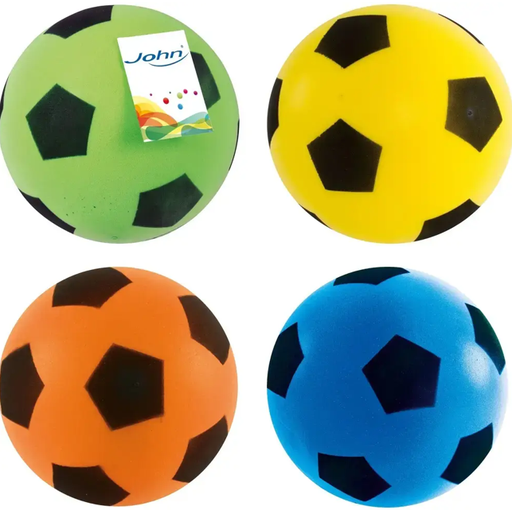
Why it's a great fit: Ideal for a toddler's first ball games. The soft material minimises the risk of injury and is gentle on furniture, making it perfect for play indoors or in a protected garden.
This ball is explicitly designed as a soft ball for toddlers, preventing the purchase of a ball that is too hard or too large. The product description is clearly focused on safety and the target audience.
The soft foam/plastic construction is lightweight and safe, which promotes motor skill development and coordination without you having to worry about bumps or tears.

Why it's a great fit: A durable basketball in the official size 7, specifically designed for outdoor use. Perfect for training on an outdoor court or for spontaneous games with friends.
This ball avoids the pitfall of inferior materials. Its high-quality rubber compound is designed for rough surfaces, and the nylon winding ensures shape retention and good air retention.
It comes as a complete set with a pump, needles, and a carrying bag. The deep pebble texture and wide channels provide excellent grip and ball control, even in wet conditions.
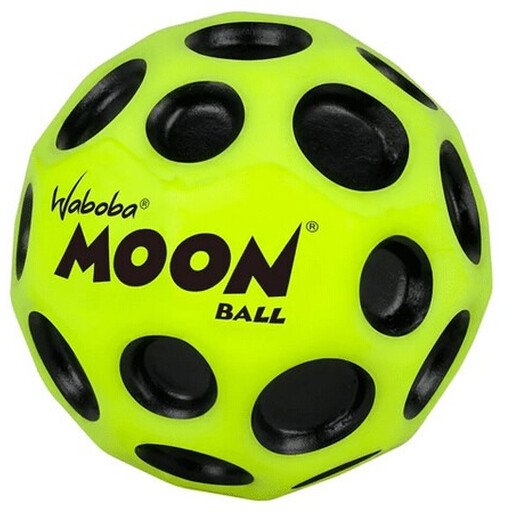
Why it's a great fit: This is no ordinary ball. Its unique, crater-like surface creates an extremely high bounce on hard surfaces, offering hours of unpredictable fun for all ages.
It avoids the "one-size-fits-all" myth by clearly positioning itself as a ball for recreation and fun. It doesn't try to be a piece of sports equipment, but perfectly fulfils its purpose as an entertaining backyard game for the family.
The high-bounce performance ensures an active and engaging play experience. Thanks to its compact size, it's easy to transport and ready for action anywhere.
We have compiled a complete, up-to-date list of products that fully meet these strict selection criteria and all applicable safety regulations.
The right size depends on the sport and the child's age. For basketballs, Size 3 is ideal for children aged 4 to 8, while Size 5 is suitable for those aged 9 to 11. For soccer balls, sizes 3 and 4 are intended for younger children before they move up to the standard Size 5 around age 12. Always check the product description for the manufacturer's specific age recommendations.
Technically, yes, but it's not recommended. Outdoor balls are made of harder rubber to withstand asphalt. Indoors, this material can damage the floor and often provides a less controlled bounce. Indoor balls are typically made of softer composite or genuine leather, which allows for a better feel and more control.
Proper care is simple but effective. Clean the ball with a damp cloth after use and avoid harsh cleaning agents. Store it in a cool, dry place and protect it from prolonged direct sunlight or extreme temperatures. Regularly check the air pressure and only inflate the ball to the recommended level, which is usually printed directly on the ball.