
Lieferung heute & morgen

Qualitätsgarantie

Willkommens-Angebote freischalten: KOSTENLOSE Lieferung | Bis zu 80 % RABATT | Kostenlose 30-Tage-JoyPlus-Testphase
App herunterladen
A sports bottle should be reliable whether you’re working out, cycling, commuting or travelling. In practice, it’s not just capacity and colour that can lead to a poor purchase. Leaky lids, hard-to-reach areas inside the bottle and materials that aren’t suited to your chosen drink are more common pitfalls.
The term leakproof water bottle only really applies when the bottle is closed. Screw tops, drinking spouts, straws and squeeze valves all have different sealing points. So check:
A lid may be leakproof in everyday use, but fizzy drinks can build up pressure inside. According to their product descriptions, several of the models featured here are therefore not suitable for carbonated drinks.
A BPA-free water bottle isn’t automatically made from a material that’s suitable for hot liquids. Plastic models can warp at high temperatures, while squeeze bottles may also build up pressure. Stainless steel water bottles with straws aren’t necessarily designed for hot drinks either.
Look for a specific temperature limit. The Tefal Squeeze Bottle, for example, has a stated limit of 60 °C, while the Stanley GO IceFlow Fast Flow Bottle is designed for cold or iced drinks, according to its product description.
A 600 ml sports bottle is practical for many workouts, commuting and standard bottle holders. A larger capacity may be more useful for longer outdoor trips. However, a large bottle takes up more space and weighs more when full.
These guidelines can help you choose:
Polypropylene, PET, PE and stainless steel are commonly used for water bottles and shakers. The specific product information matters just as much as the material itself. Claims such as BPA-free or compliance with European food-contact regulations should be clearly stated in the product description or on the packaging.
Stainless steel is resistant to many everyday knocks and, with a double-wall design, can provide insulation. Plastic is often lighter and more flexible in squeeze bottles. If you use protein powder, choose a bottle with a wide enough opening and a sieve insert or mixing ball.
A water bottle for taking out and about should close securely and suit the way you’ll use it:
Also consider the shape. A diameter of around 6 to 7 cm will often fit in cup holders, but check it against your own bike or car holder before buying.
Sugary drinks, dairy and protein powder can leave residue behind. A bottle is only practical if you can reach the lid, seal, straw and valve.
Check:
It’s best to clean shakers straight after use. Leave lids open to dry to prevent odours and residue from building up.
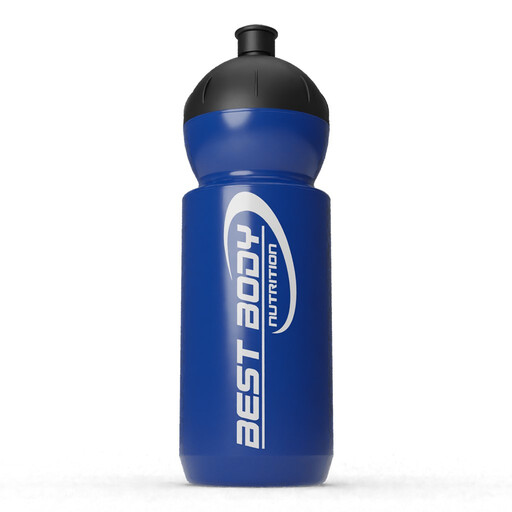
Why it suits this profile: Its compact capacity makes it a good choice for the gym, short trips and anyone new to using a shaker bottle.
The product description specifies a screw top, a drinking spout and BPA-free material, so you can check the key features for yourself.
500 ml capacity, compact dimensions and a watertight spout, according to the product description.
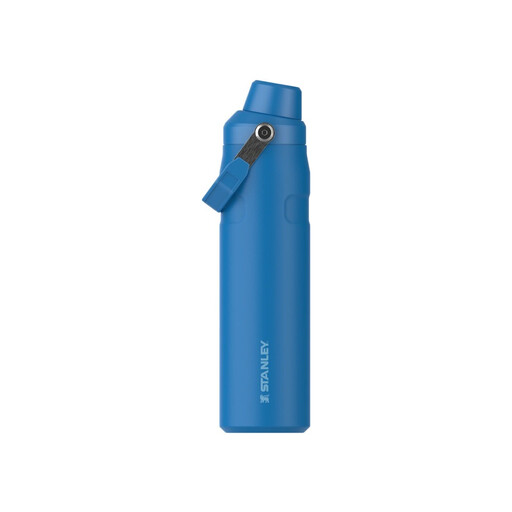
Why it suits this profile: This stainless steel water bottle combines a 600 ml capacity with double-wall vacuum insulation for cold drinks.
The product details specify BPA-free stainless steel, a Fast Flow lid and a leakproof seal when closed. It isn’t designed for hot or carbonated drinks.
600 ml capacity, integrated carry handle, dishwasher-safe and designed to keep drinks cold for up to 10 hours, according to the product description.
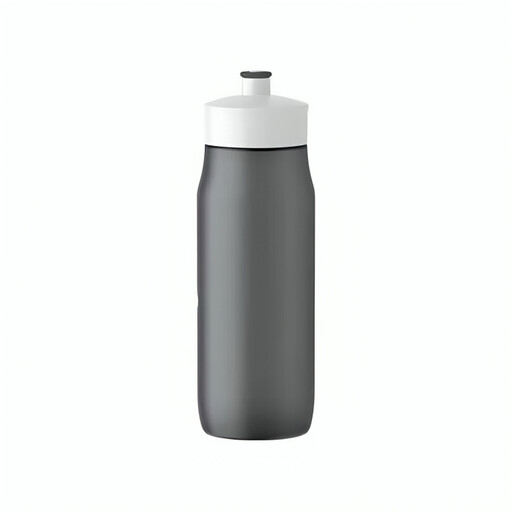
Why it suits this profile: The squeeze design is made for cyclists, quick drink breaks and one-handed drinking on the move.
The product details specify a screw top with a drinking nozzle, a temperature limit of 60 °C and top-rack dishwasher cleaning.
Lightweight at around 98 g, with a 0.6 l capacity, BPA-free PE/PP and a leakproof design, according to the product description.
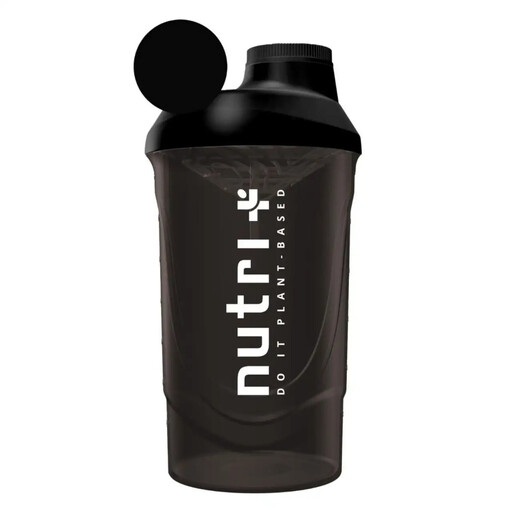
Why it suits this profile: This shaker is designed for anyone who wants to prepare protein powder, weight-gain shakes or other powdered drinks on the go.
According to the product description, the shaker has a sieve insert and a scale marked from 50 to 100 ml, making it easier to measure liquids and powder.
Made from BPA- and DEHP-free polypropylene, according to the product description, with a sieve insert and suitable for the dishwasher and microwave. Do not use it for carbonated drinks or hot drinks above 70 °C.
We’ve put together a complete, regularly updated list of products that meet these strict selection criteria and the safety regulations in force in the EU.
For the gym, 500 to 700 ml is usually enough. A screw top is simple to use, while a drinking spout makes it easy to take quick sips. If you use protein powder, choose a protein shaker with a sieve insert rather than a standard water bottle.
Clean the bottle straight after use with warm water and a suitable washing-up liquid. Take apart the lid, seal, straw and valve if the product instructions allow it. Let every part dry completely, and don’t leave the bottle with its lid closed for long periods.
Its lifespan depends on the material, how often you use it and how well you care for it. Check the seals, lid, spout and inside of the bottle regularly. Cracks, warping, persistent odours or damaged seals are all reasons to replace a part or the whole bottle. For stainless steel models, also check for dents and damaged coatings.