
Lieferung heute & morgen

Qualitätsgarantie

Willkommens-Angebote freischalten: KOSTENLOSE Lieferung | Bis zu 80 % RABATT | Kostenlose 30-Tage-JoyPlus-Testphase
App herunterladen
When buying sports eyewear, the difference between quality and mediocrity quickly becomes clear. A good pair protects your eyes and enhances performance, while an unsuitable model will prove disappointing during its first real test. Many athletes invest in expensive gear but overlook that proper vision is crucial for both safety and success. Before you make a decision, you should be aware of the most common marketing traps and the product features that truly matter.
The biggest problems often arise from exaggerated advertising claims or a poor fit. Here are two typical pitfalls that lead to frustration and unnecessary expenses:
To make an informed decision, focus on three technical features that distinguish a gimmick from a functional piece of equipment.
The choice of material determines the durability, weight, and safety of your sports eyewear.
The right lens tint and technology are crucial for glare-free, high-contrast vision.
Eyewear that doesn't fit properly is useless and dangerous.
Instead of making a blanket recommendation, we have selected models tailored to specific use cases and requirements.
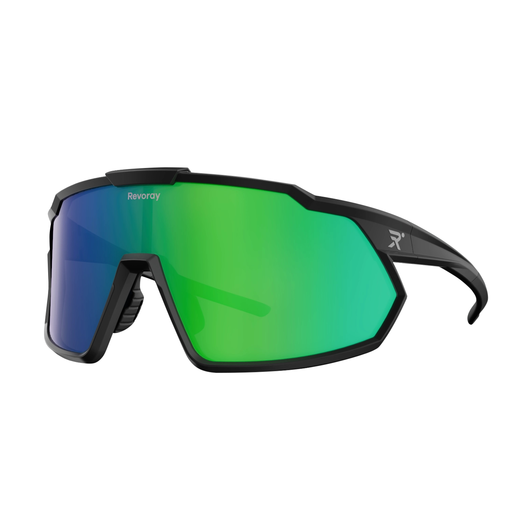
Why This Fits Their Persona: Ideal for long tours on a road bike or mountain bike. The polarised lenses reduce glare on wet roads, while the ultra-light TR90 frame (approx. 33 g) is barely noticeable even after hours of wear.
This model goes beyond mere UV protection by offering impact resistance tested to ANSI Z87.1 standards. This solves the "universal protection" trap, where mechanical safety is often neglected.
HD TAC polarised lenses for clear vision and glare reduction. Adjustable, non-slip nose pads for a stable fit.
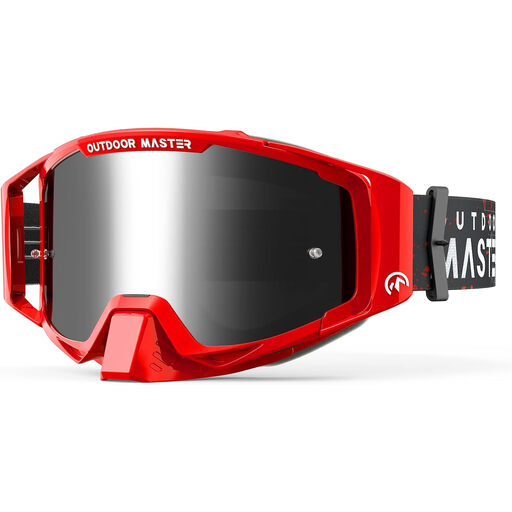
Why This Fits Their Persona: Designed for off-road use. Offers comprehensive protection against dust, debris, and impact. The OTG design makes them the ideal choice for prescription glasses wearers who refuse to compromise on safety.
Instead of relying on a short-lived coating, these motocross goggles use an integrated ventilation system and triple-layer foam. This tackles fogging at its source, bypassing the "anti-fog" trap.
OTG-compatible for prescription glasses wearers. Flexible polypropylene frame with a nose guard for enhanced safety and comfort.
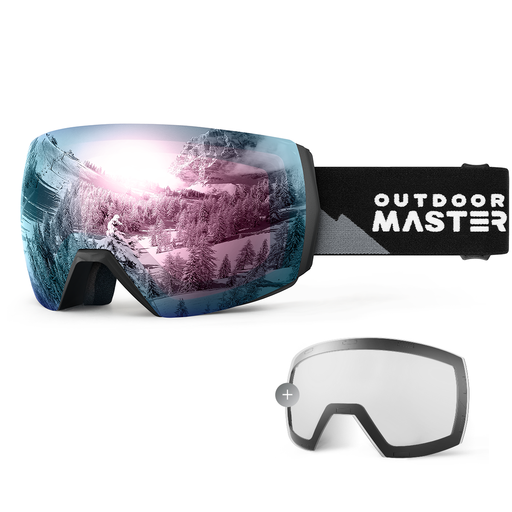
Why This Fits Their Persona: Perfect for skiers and snowboarders who are out on the slopes in changing light conditions. The magnetic interchangeable system allows for a lens swap from a sun lens to a contrast lens in seconds.
These ski goggles solve the problem of ineffective anti-fog coatings through a combination of triple-layer foam and a special VS treatment that ensures maximum airflow and moisture wicking.
Magnetic MagKlick system for quick lens changes. UCT lens technology for enhanced contrast in low-light conditions.
Specialised solutions are available, particularly for those who wear prescription glasses. If you need sports eyewear fitted directly with your prescription, you can find suitable models here.
Avoid touching the inside of the lenses. Clean the lenses exclusively with a soft microfibre cloth and plain water or a manufacturer-recommended cleaning solution. Do not use harsh chemicals or paper towels. Always store the eyewear in its supplied case to prevent scratches and damage to the coating.
Polarised lenses are ideal for activities on the water, fishing, or cycling on wet roads, as they significantly reduce glare. However, for skiing, they can make it harder to spot icy patches. They can also interfere with reading LCD screens (e.g., bike computers or smartphones). The choice, therefore, depends on the specific sport and environmental conditions.
OTG stands for "Over-The-Glasses." These are sports glasses or goggles specifically designed to be worn over regular prescription glasses. They have a larger internal volume and often feature cut-outs on the sides of the frame to comfortably accommodate the temples of the glasses underneath.