
Lieferung heute & morgen

Qualitätsgarantie

Willkommens-Angebote freischalten: KOSTENLOSE Lieferung | Bis zu 80 % RABATT | Kostenlose 30-Tage-JoyPlus-Testphase
App herunterladen
If you’re looking to buy sports nutrition, you’ll find a wide range of protein powders, whey protein, protein bars, weight gainers and other fitness supplements. Product descriptions often rely on eye-catching percentages, flavour claims or sweeping statements about muscle growth and recovery. What matters, then, is not the marketing claim but the nutritional values, ingredients, serving size and how you plan to use the product.
“30% protein” sounds impressive at first. But when comparing products, it’s important to check whether the figure is based on 100 g or a single serving. A protein bar with 13.5 g of protein per 45 g bar is not the same as one with 30 g of protein per 100 g. Calories, sugar, fat and polyols should also be considered together.
Products with no added sugar can still contain carbohydrates and naturally occurring sugars. Many protein bars are also sweetened with maltitol, xylitol or sucralose. Larger amounts of sugar alcohols can have a laxative effect in people who are sensitive to them. That’s why the ingredients list and nutrition table matter more than the front of the packaging.
Protein shakes, creatine monohydrate and BCAA powder can complement your diet, but they can’t replace a varied diet. If you already get enough protein from everyday foods, you don’t automatically need several combined supplements for athletes. If you have a medical condition, take medication, are pregnant or are unsure, seek medical advice before use.
A protein powder should clearly state its protein content per 100 g and per serving. According to the product information, ESN Designer Whey Protein Strawberry Cream provides 76 g of protein per 100 g. Its ingredients include a blend of ultrafiltered whey protein concentrate and microfiltered whey protein isolate.
A multi-source product may also be a good choice if you want a blend of different protein sources. According to its label, Mammut Nutrition Formel 90 Protein Powder contains soy, whey, milk and egg protein, among other ingredients. If you have an allergy or intolerance to milk, soy, eggs or gluten, check the relevant allergen information carefully.
For muscle growth, protein isn’t the only thing that matters. If you’re aiming to gain weight, you’ll generally need to consume more energy than you use. A weight gainer can be a convenient option, but it often provides large amounts of carbohydrates and calories.
Mammut Nutrition Crash Weight Gainer lists around 76 to 83 g of carbohydrates per 100 g, depending on the variant. The recommended serving size and mixing it with milk can significantly change the actual calorie content. So check whether you really need the extra energy in your day-to-day diet.
With creatine monohydrate, the daily amount and exact ingredients are key. Optimum Nutrition Micronised Creatine Powder lists 3 g of creatine per serving, with a serving size of around 3.4 g. According to the product information, it is unflavoured and contains creatine monohydrate as its only ingredient.
According to the product details, BEST BODY NUTRITION Creatine Monohydrate Powder also contains magnesium oxide and provides 2.89 g of creatine monohydrate per 3 g serving. Keep differences like these in mind when comparing prices. Don’t just compare the pack price: look at the price per serving and the amount of active ingredient it actually contains.
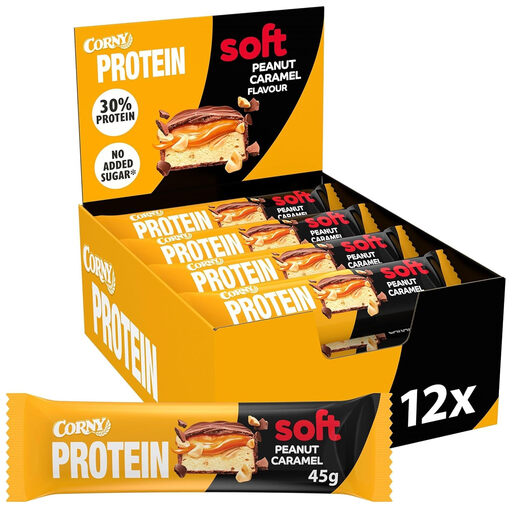
Why this product suits this profile: The multipack of 12 bars is handy if you want to take sports nutrition with you and enjoy it in portions between work, everyday activities and training. Each 45 g bar provides 13.5 g of protein and 176 kcal.
The nutrition information lists protein, sugar and polyols per 100 g, making it easier to put the “no added sugar” claim into context.
12 individually wrapped bars, 13.5 g of protein per bar, and no palm oil according to the product information.
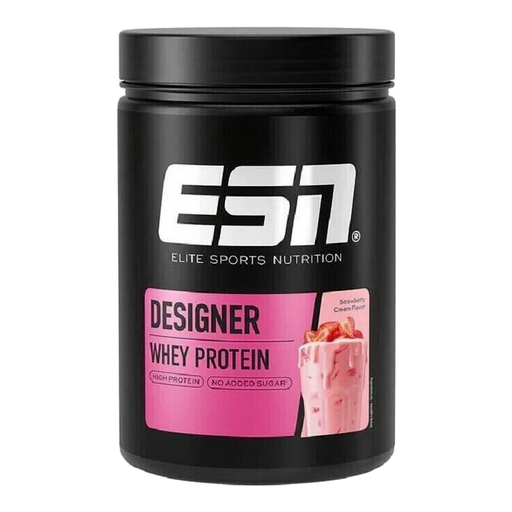
Why this product suits this profile: This powder is a good fit if you prefer a clearly stated whey content and fuss-free preparation in a shaker. According to the product details, a 30 g serving provides around 23 g of protein.
The protein content of 76 g per 100 g can be compared directly with other powders. Milk and soy allergens are clearly listed.
300 g pack, 30 g servings and a whey blend of concentrate and isolate.
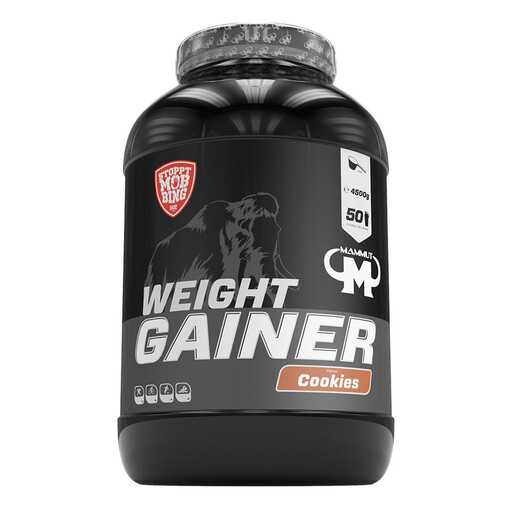
Why this product suits this profile: This large pack is aimed at adults with high calorie requirements, for example during intensive strength or endurance training. According to the product information, one serving consists of 90 g of powder and 300 ml of milk.
The product information lists carbohydrates, sugar, protein and calories per 100 g and per serving. This makes it easier to factor the extra energy into your daily diet.
4.5 kg pack, high carbohydrate content and a protein blend from several sources.
We’ve put together a complete, regularly updated list of products that meet these strict selection criteria and fully comply with the safety requirements in force in the EU.
A protein powder can make it easier to plan your protein intake, but it’s only one part of your diet. The right training stimulus, enough energy, sleep and an overall balanced diet are also important.
It depends on the product. Unopened packs should be stored in a dry place, following the manufacturer’s instructions. Once opened, follow the guidance on the label. Moisture, clumping, an unusual smell or damaged packaging are signs that you shouldn’t use the product.
Compare the price per serving, not just the pack price. For protein powder, look at the grams of protein per serving; for creatine, check the amount of pure creatine monohydrate. With weight gainers, factor in milk, the number of servings per day and how many extra calories you actually need.