
Lieferung heute & morgen

Qualitätsgarantie

Willkommens-Angebote freischalten: KOSTENLOSE Lieferung | Bis zu 80 % RABATT | Kostenlose 30-Tage-JoyPlus-Testphase
App herunterladen
Sports nutrition is designed to complement your daily diet – for example, when you have little time for a meal after training or find it difficult to get enough protein from everyday foods. There’s plenty to choose from, including protein powder and whey protein, vegan protein powder, creatine, BCAA powder, glutamine powder, pre-workout products and high-protein snacks.
However, many disappointing purchases aren’t due to a lack of choice, but to unclear product information and exaggerated marketing claims. Three common pitfalls are particularly worth watching out for:
When choosing protein powder, start by checking the protein content per 100 g. Whey protein is made from milk protein and can contain whey concentrate, whey isolate or a blend, depending on the product. Isolate isn’t automatically the right choice for everyone; what matters is the ingredients list, protein content, taste, mixability and how well you tolerate it.
According to the product information, ESN Designer Whey Protein Almond Coconut provides up to 25 g of protein per 30 g serving. The formula contains ultrafiltered whey protein concentrate and cross-flow microfiltered whey protein isolate. It contains no added sugar, but does contain sweeteners. Be aware that it contains the allergens milk, soya and cereals containing gluten.
If you prefer vegan protein powder, look for a clearly explained blend of different plant-based sources. nutri+ 6K Protein Sample Powder combines soya, wheat, rice, pea, sunflower and almond protein, among others. By contrast, nutri+ 3K Protein Sample Powder Lemon Cheesecake uses soya, pea and sunflower protein and, according to the product information, is formulated without wheat. Allergens may still be present, so check the label.
A low pack price doesn’t tell you much about the actual cost. Divide the price by the number of servings, then compare the protein content per serving. For snacks, size matters too: a protein bar with 14 g of protein is different from one with 20 g or more.
The recommended way to use a product should also fit in with your diet. Mammut Nutrition Whey Protein Chocolate lists 27 g of protein per serving, based on the product being prepared with 300 ml of semi-skimmed milk. This means the drink’s nutritional values may be higher than if you mix it with water.
For protein bars, check the sugar, polyols, fat and allergens. According to the product information, the Corny Protein Bar contains 13.5 g of protein per 100 g and 176 kcal per 45 g bar. The ESN Protein Designer Bar Hazelnut Nougat contains 14 g of protein per bar, but also includes polyols. If you have a sensitive digestive system, stick to the recommended amount.
Creatine monohydrate is a clearly defined single ingredient. According to the product information, one serving of Optimum Nutrition Micronised Creatine Powder provides 3 g of creatine. The powder is unflavoured and can be mixed with water or a protein shake. A stated 3 g serving of BEST BODY NUTRITION Creatine Monohydrate Powder contains 2.89 g of creatine monohydrate as well as magnesium oxide.
BCAA powder and glutamine powder aren’t one-size-fits-all solutions for every training goal either. MuscleTech Platinum 100% Glutamine lists 5 g of L-glutamine per serving and is neutral in both taste and smell. According to the product information, Optimum Nutrition Gold Standard BCAA Powder provides 5 g of BCAAs in a 2:1:1 ratio. If you have an existing medical condition, impaired kidney function, are pregnant or take medication, seek medical advice before using these products.
With pre-workout products, the caffeine content is particularly important. According to the product information, Optimum Nutrition Gold Standard Pre-Workout Shot contains 175 mg of caffeine per 60 ml serving. Jack3d Advanced Pre-workout lists 130 mg of caffeine per 7 g serving. Neither product is intended for children; if you’re sensitive to caffeine, pay particular attention to the product information.
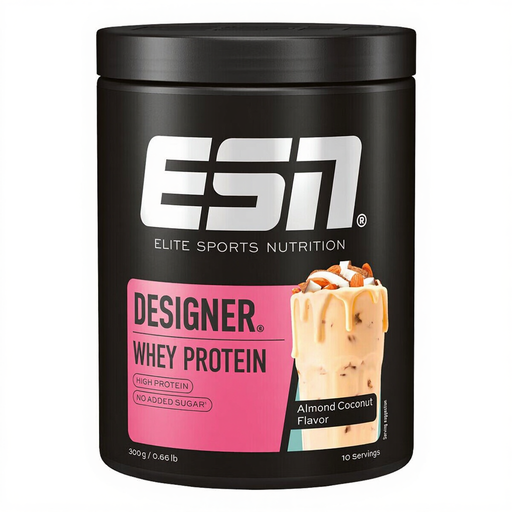
Why it suits this profile: The 300 g pack comes with a scoop, making it a manageable introduction to whey protein. You can use it in shakes, porridge or baking.
The protein content is listed per 30 g serving, with the ingredients, allergens and sweeteners clearly stated.
Up to 25 g of protein per serving, no added sugar and plenty of ways to use it.
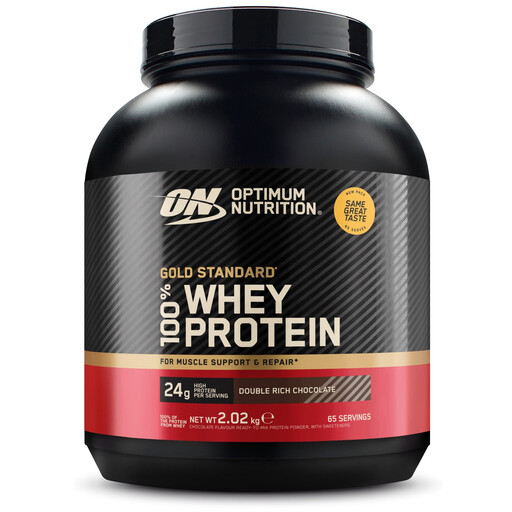
Why it suits this profile: The large pack is a good choice for regular users who want to compare the protein content and ingredients of a whey blend in detail.
The product information lists 24 g of protein and 113 kcal per 30 g serving, as well as the milk and soya allergens it contains.
Whey isolate, concentrate and hydrolysed whey; suitable for shakes, smoothies and meals.
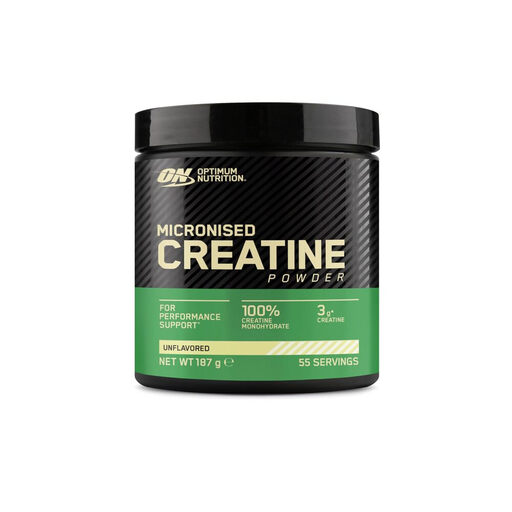
Why it suits this profile: The unflavoured creatine is easy to take daily and can be combined with protein powder or recovery drinks.
According to the product information, the ingredients list contains creatine monohydrate; each serving provides 3 g of creatine.
Micronised, unflavoured powder with around 55 servings per 187 g pack.
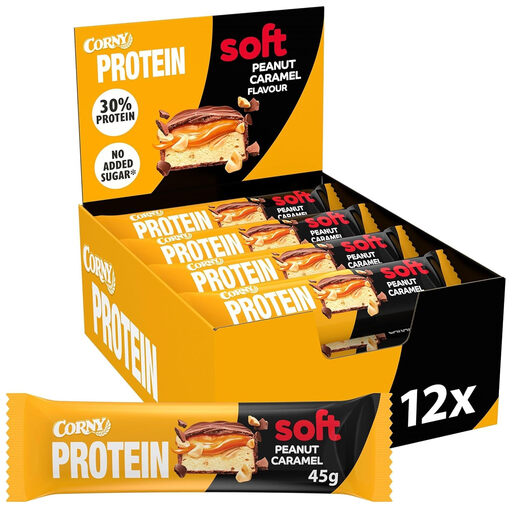
Why it suits this profile: The multipack of twelve individually wrapped bars makes for a convenient snack between appointments or after training.
The nutritional information lists protein, calories, sugar and polyols per 100 g; milk, soya, peanuts and barley are listed as allergens.
A handy 45 g serving, 176 kcal per bar and no added sugar according to the product information.
We’ve put together a complete, regularly updated list of products that meet these strict selection criteria and fully comply with the safety regulations in force in the EU.
For muscle growth, getting enough total energy and protein is the first priority. Protein powder can be a convenient way to top up your intake if your daily diet doesn’t provide enough. Choose a product based on its protein content, ingredients, allergens and serving size. Supplements are no substitute for a balanced and varied diet.
Always follow the best-before date and the instructions on the packaging. Store opened protein powder in a dry, sealed container, away from heat and direct sunlight. Moisture can affect how well it mixes and the quality of the product. Prepared shakes should be consumed promptly and not left unrefrigerated for long periods.
Work out the price per serving by dividing the pack price by the number of servings listed. Also compare the amount of protein or active ingredient per serving. For protein bars and energy snacks, take calories, sugar, polyols and pack size into account too. This makes it easier to compare the value different products offer.