
Lieferung heute & morgen

Qualitätsgarantie

Willkommens-Angebote freischalten: KOSTENLOSE Lieferung | Bis zu 80 % RABATT | Kostenlose 30-Tage-JoyPlus-Testphase
App herunterladen
If you’re looking to buy sports nutrition supplements, you’ll quickly find a wide choice of creatine, protein, amino acids, electrolytes and minerals. The challenge isn’t just comparing prices: dosage, ingredients, format and how well a product fits into your training routine all matter.
A large bag may look like good value at first. However, a mass gainer can contain more than 1,000 kilocalories per serving. If you haven’t factored in the extra energy, you could end up with a product whose serving size doesn’t suit your nutritional goals. Always check:
Terms such as ‘Recovery’, ‘Performance’ or ‘Muscle Support’ don’t automatically mean a product will deliver a proven benefit for you personally. In the EU, authorised nutrition and health claims are subject to binding rules. So, assess a product by looking at its ingredients list and nutritional information, not just the label.
Whey protein generally contains dairy. A mass gainer may also contain milk, egg, soya or ingredients containing gluten. Depending on the product, it may also contain sweeteners, flavourings and anti-caking agents. For BCAA powder or amino acid capsules, it’s worth checking the actual amount of amino acids per serving, as well as the capsule shell and any potential allergens.
Don’t just compare the price per pack: compare the price per serving and per gram of the relevant active ingredient. Creatine monohydrate products often recommend a daily serving containing 3 g of creatine. According to the product information, the WeightWorld product provides 3,000 mg of creatine monohydrate in three tablets. Optimum Nutrition’s powder lists 3 g of creatine per serving; according to the product information, one serving is 3.4 g of powder.
Do not exceed the recommended daily intake. Food supplements are not a substitute for a varied diet.
Powder is easy to measure out and mix with water or a shake. Tablets and capsules are convenient when you’re out and about, but you may need to swallow several at a time. Granules can be taken without water, while effervescent tablets dissolve in a glass of water.
For electrolytes for sport, the minerals in the product are particularly relevant. According to the product description, sanotact’s product combines glucose with sodium, potassium, magnesium and chloride. Also check the serving instructions, sugar content and pack size.
The packaging should clearly state the ingredients, net quantity, recommended daily intake, allergens, best-before date and warnings. For products containing magnesium supplements, it’s also worth checking the form of magnesium, such as magnesium oxide or magnesium citrate. The amount of elemental magnesium is what matters when comparing products.
A combination such as magnesium, calcium and vitamin D3 may appeal if you’re looking for these nutrients in one product. However, don’t combine it with other mineral supplements without careful consideration. If you have kidney or heart problems, are pregnant, take medication or are unsure, seek medical advice.
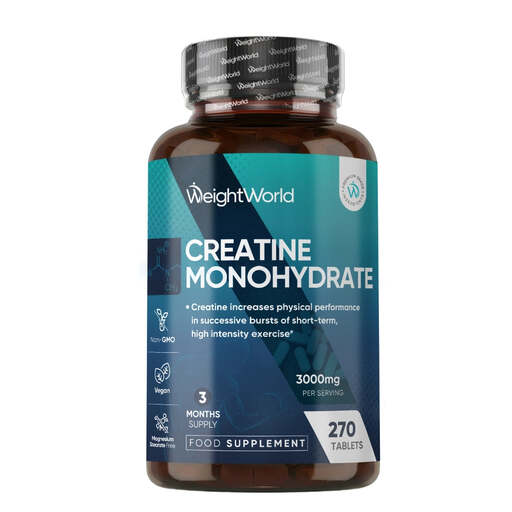
Why this product suits this profile: The tablet format makes it easy to take measured servings without weighing or mixing. According to the product information, three tablets provide 3,000 mg of creatine monohydrate, and the pack contains 270 tablets.
The amount of active ingredient per daily serving is clearly stated. This makes it easier to work out how long the pack will last than with products that have an unclear scoop size.
270 tablets, stated to be gluten-, dairy- and soya-free, and easy to dose at three tablets a day.
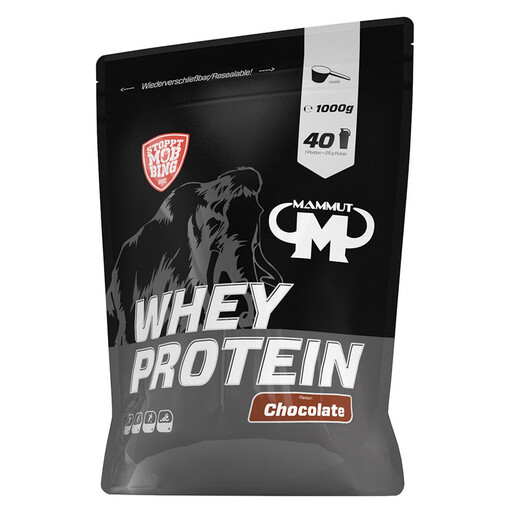
Why this product suits this profile: If you want to plan your protein intake carefully, the product information states that each 25 g serving of powder provides 27 g of protein.
The protein content is listed alongside the serving size. This makes it easier to compare with other whey products and avoids judging a product on pack weight alone.
1,000 g pack, measuring scoop, and can be mixed with water or milk. The ingredients list includes whey protein concentrate and dairy ingredients.
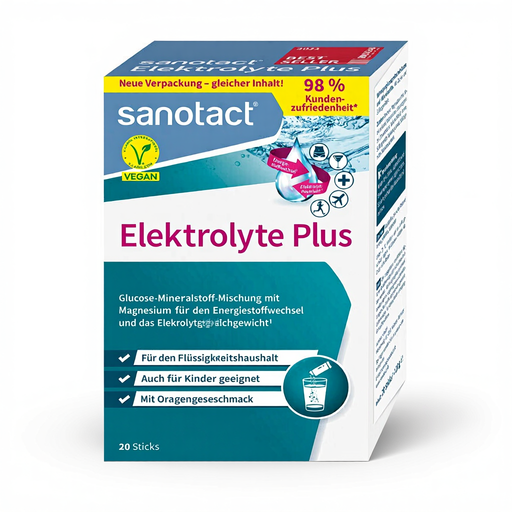
Why this product suits this profile: Single-serve sachets are handy for training, travel or when you don’t want to measure out powder. According to the instructions, dissolve one sachet in 250 ml of water.
The electrolytes it contains — sodium, potassium, magnesium and chloride — are listed specifically. This makes it easier to assess the formula than a general description such as ‘mineral drink’.
20 sachets, orange flavour, and stated in the product description to be gluten-free, lactose-free and free from colourings.
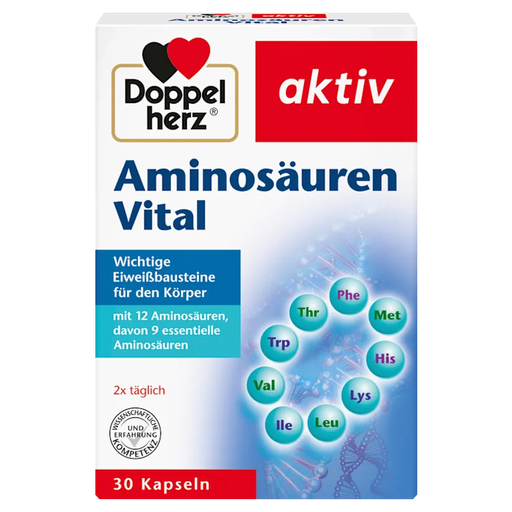
Why this product suits this profile: According to the product information, the capsules contain 12 amino acids, including nine essential and three conditionally essential amino acids. The recommended intake is two capsules a day with a meal.
The individual amino acids are listed in the nutritional information. This makes it possible to compare the formula with BCAA powder or a protein-rich diet.
30 capsules, stated to be gluten- and lactose-free, with a detailed breakdown of leucine, lysine, valine and other amino acids.
We’ve put together a complete, regularly updated list of products that meet these strict selection criteria and fully comply with the safety regulations in force in the EU.
The best-before date on the relevant packaging is the key guide. Once opened, powders should be stored in a dry place with the packaging sealed tightly. Prepared drinks should be consumed promptly and not stored for long periods.
The two products serve different purposes in a nutrition plan. Whey protein provides protein and can help supplement your daily intake. Creatine monohydrate provides creatine; according to an authorised EU claim, a daily intake of 3 g of creatine can increase physical performance during short-term, high-intensity exercise. So, your choice should depend on your personal nutrition and training goals.
Not every workout requires an electrolyte supplement. During prolonged exercise, heavy sweating or hot weather, the product’s formula and your fluid intake may become more important. Check the amounts of sodium, potassium, magnesium and carbohydrates, as well as the serving size. If you’re unsure or have an existing health condition, seek medical advice.