
Lieferung heute & morgen

Qualitätsgarantie

Willkommens-Angebote freischalten: KOSTENLOSE Lieferung | Bis zu 80 % RABATT | Kostenlose 30-Tage-JoyPlus-Testphase
App herunterladen
Anyone looking to buy sports nutrition will quickly find a wide range of protein powders, whey protein, creatine powder, weight gainers and protein bars. Product names often sound similar, but their composition can differ considerably. A high protein value alone, for example, says little about serving size, sweeteners, allergens or the product’s actual intended use.
The most common buying mistakes arise from three points:
With protein powder, you should not only look at the value per 100 g. What matters is how much protein a realistic serving provides and how large that serving actually is. ESN Designer Whey Protein Milk Chocolate, for example, lists 76 g of protein per 100 g. With a recommended serving of 30 g, this corresponds to around 22.8 g of protein.
Optimum Nutrition Gold Standard 100% Whey states 24 g of protein per 30 g serving. According to the product information, the blend consists of whey isolate, whey concentrate and hydrolysed whey protein. Milk and soya are listed as allergens. Nutritional values may vary slightly depending on the flavour; the information on the packaging is authoritative.
With creatine powder, the amount of creatine actually contained is more important than the total weight of the creatine compound. According to the product data, Optimum Nutrition creatine provides 3 g of creatine per serving from 3.4 g of creatine monohydrate. The recommended daily serving is one portion.
A short ingredients list makes assessment easier, but it is not in itself a quality judgement. Whey protein generally contains milk ingredients and is not automatically suitable for people with a milk or lactose intolerance. Multi-ingredient products may also contain soya, egg or gluten-containing cereals.
Protein bars also differ considerably:
The same applies to glutamine powder and other food supplements for athletes. Names such as “Recovery” or “Amino Support” do not automatically describe a proven individual benefit. If you have a medical condition, take medication, are pregnant or breastfeeding, you should discuss taking supplements with a doctor or qualified nutrition professional.
A protein shake primarily adds protein. A weight gainer, by contrast, takes a different approach: according to the nutritional information, Mammut Nutrition Crash Weight Gainer Powder Chocolate provides 366 kcal and 76 g of carbohydrates per 100 g of powder. A serving prepared with milk is stated to contain 518 kcal. This category is therefore more suitable for people who specifically want to consume more energy.
For a calorie-conscious fitness diet, a whey shake with water or smaller high-protein snacks may be more practical. A bar is convenient when you are out and about, but it should be assessed based on its protein, energy, sugar, fat and sweetener content – not just the words “High Protein” on the packaging.
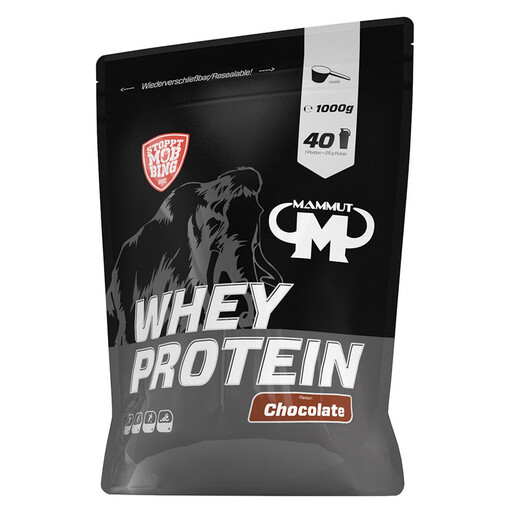
Why this product suits this profile: The 1,000 g format is easy for beginners to budget for. According to the product information, a 25 g serving provides 27 g of protein when prepared with 300 ml of semi-skimmed milk.
The protein content and recommended serving are clearly stated. This makes it easier to assess the product’s actual contribution to your daily protein intake than relying on advertising claims alone.
Whey concentrate as a protein source, a measuring scoop and chocolate flavour; milk and soya are listed as allergens.
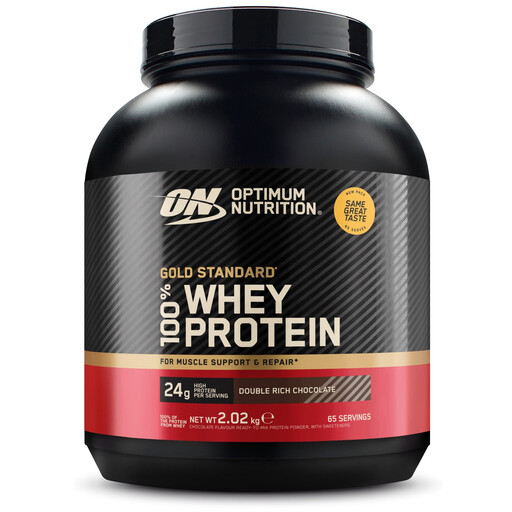
Why this product suits this profile: The large pack is aimed at people who regularly use protein powder in shakes, smoothies, porridge or recipes.
The product data states 24 g of protein per 30 g serving, as well as 113 kcal and 1 g of sugar per serving. This allows protein and calorie intake to be assessed separately.
Whey isolate, whey concentrate and hydrolysed whey in one blend; according to the product information, it dissolves easily and is versatile to use.
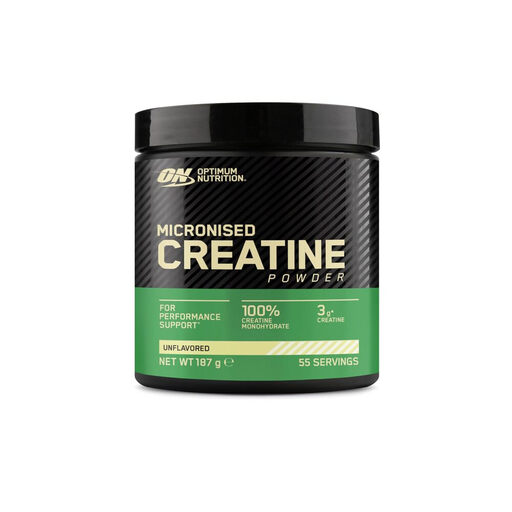
Why this product suits this profile: For people who regularly do strength or high-intensity training, this unflavoured powder offers a simple supplement that can be combined with whey or a recovery drink.
Each serving contains 3 g of creatine. This makes dosing easier and prevents the total weight of the powder from being confused with the actual creatine content.
Micronised creatine monohydrate, around 55 servings and a neutral flavour. According to the authorised product claim, daily intake of 3 g of creatine increases physical performance during short-term, high-intensity exercise.
We have put together a complete, regularly updated list of products that fully meet these strict selection criteria and the safety regulations applicable in the EU.
A shake is useful when you can conveniently supplement your protein intake at home or after training. A protein bar, on the other hand, is particularly practical for the office, travelling, hiking or on the way to the gym. It is worth checking the gram amount per bar: according to the product information, the Barebells Soft Protein Bar provides 16 g of protein per 55 g bar, while other products may state higher values per 50 g serving.
With high-protein snacks, you should also consider calories and sweeteners. A bar containing little sugar can still be relatively high in energy if it contains a lot of fat or polyols. If you have known allergies, the ingredients and trace-allergen information are decisive.
The appropriate amount depends on your overall diet, body weight, training volume and individual protein requirements. You should not exceed the consumption recommendation for the product in question. Protein powder is not a substitute for a varied and balanced diet.
Creatine is typically used for short-term, high-intensity exercise. For endurance training, your personal goals are the deciding factor. Adults with medical conditions or who regularly take medication should seek medical advice before using it.
The best-before date on the packaging is authoritative. Once opened, powders should be stored in a dry, cool, dark place and kept tightly sealed. Heat and moisture can alter the consistency of protein bars and chocolate. Product-specific instructions, such as a recommended period for use after opening, should be followed.