
Lieferung heute & morgen

Qualitätsgarantie

Willkommens-Angebote freischalten: KOSTENLOSE Lieferung | Bis zu 80 % RABATT | Kostenlose 30-Tage-JoyPlus-Testphase
App herunterladen
When you buy sports nutrition and fitness products, you’ll find a huge selection of protein bars, shakes, dietary supplements and home fitness equipment. However, the product descriptions aren’t always as straightforward as they first appear. A high protein content, a “thermogenic” additive or lots of training programmes on their own don’t tell you much about whether a product actually fits into your daily routine.
The following criteria will help you assess marketing claims objectively and avoid making a bad purchase.
A protein bar can weigh 50 g or 90 g. That’s why a claim of “high protein content” is only meaningful when you look at the amount per bar and per 100 g. A small vegan protein bar with 11 g of protein might be fine as a snack, while a larger bar with 51 % protein has a different portion size and calorie count.
Many protein bars contain sweeteners such as maltitol or sucralose. Maltitol can have a laxative effect if consumed in excess. What’s more, chocolate coatings, fats and fillings can still contribute to the overall energy balance. What really matters is the full nutritional table, the portion size and the ingredients list.
A fat burner or thermogenic supplement is no substitute for a balanced diet and regular exercise. Products containing caffeine should be checked against your total intake from coffee, energy drinks and other sources. With a vibration plate, the standing area, operation, weight capacity and safety distances are more important than a long list of pre-programmed modes.
With a protein shake or protein bar, you should look out for the following:
A ready-to-drink high-protein shake is convenient when you don’t want to bother with a shaker and powder. Even so, you should still consider the calories, carbohydrates, sugar and storage instructions.
With a fitness supplement, the ingredients list matters more than any general marketing claim. Check:
According to the product information, Animal Cuts Powder contains 200 mg of caffeine per serving, along with L-carnitine, taurine and various tea extracts. This product is therefore not suitable for people who are sensitive to caffeine or stimulants. You should follow the recommended dosage and the planned break from use carefully.
With a vibration plate, the technical and practical details are what count:
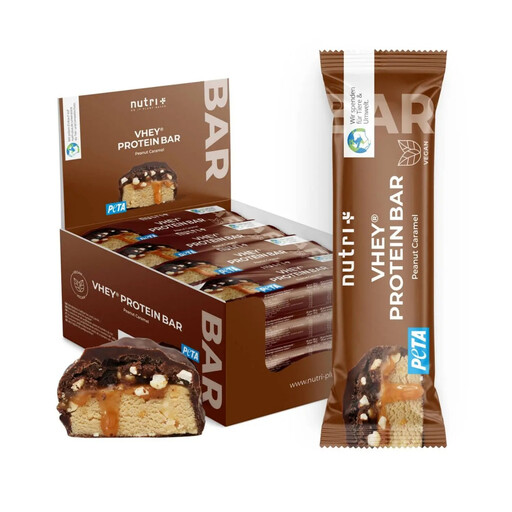
Why this product suits the profile: The 12-pack offers portioned bars for work, everyday life or on the way to training. According to the product information, one 50 g bar provides 11 g of plant-based protein.
The protein content is stated per bar. Ingredients such as pea protein, peanuts, maltitol and sucralose are also listed transparently.
Plant-based protein source, 50 g portions and a practical box of 12 bars.
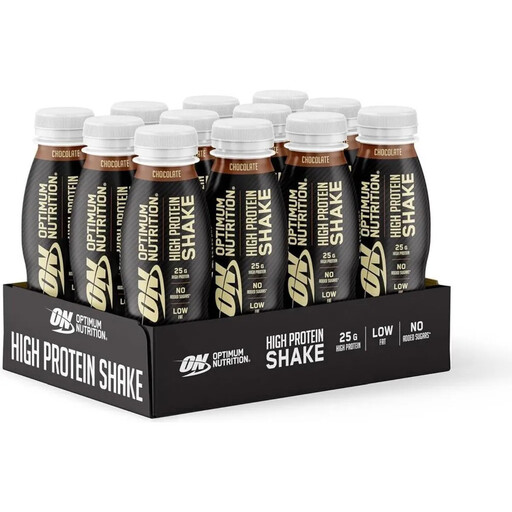
Why this product suits the profile: This ready-to-drink shake is ideal for situations where powder, water and a shaker are impractical. Each 330 ml bottle provides 25 g of protein and 185 kcal according to the label.
The nutritional values are shown both per 100 ml and per bottle. Milk as an allergen and the need for refrigeration after opening are clearly stated.
25 g of protein per bottle, 1.0 g of fat per serving and no added sugar according to the product information.
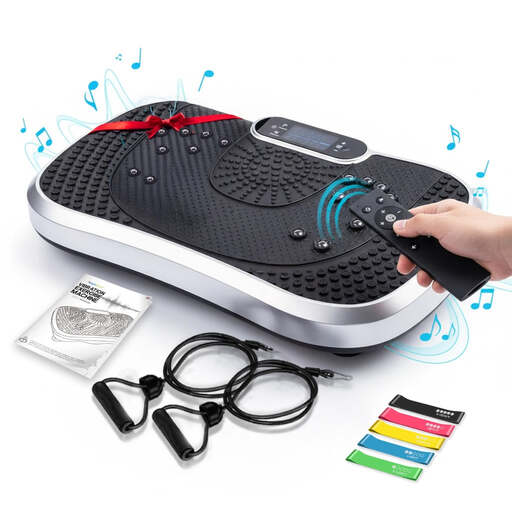
Why this product suits the profile: This compact vibration plate is designed for adults who want to use home fitness equipment with multiple speed levels and resistance bands.
The equipment is described in concrete terms: platform, remote control, two resistance bands, power cable and exercise guide.
Multiple speed levels, pre-programmed options and a non-slip surface according to the product description.
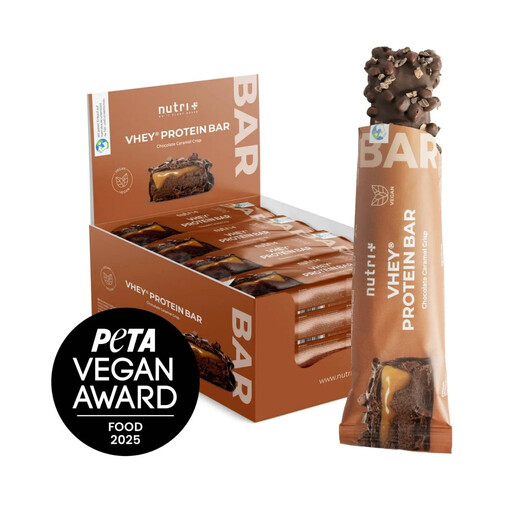
Why this product suits the profile: According to the product information, this bar combines pea and hemp protein and provides 13 g of plant-based protein per 50 g serving.
The protein blend, chocolate content and sweeteners are all listed in the ingredients list. This makes it easy to check whether it suits your personal diet.
13 g of plant-based protein, 12 individually portioned bars and crunchy protein pieces.
We’ve put together a full, regularly updated list of products that fully meet these strict selection criteria and the safety regulations in force in the EU.
With a classic protein bar containing milk protein, casein or collagen hydrolysate, people with a milk allergy or a specific dietary approach should check particularly carefully. A vegan protein bar isn’t automatically free from all allergens, as it may contain soya or peanuts, for example.
For a thermogenic supplement, you should also remember: the serving size stated on the label must not be increased on your own initiative. Caffeine can affect sleep and isn’t suitable for certain groups of people. If you have any health concerns or are taking medication, you should seek medical advice before use.
The specific best-before date is printed on the packaging. According to the manufacturer’s instructions, protein bars should be stored in a dry place, usually at room temperature. Once opened, a bar should be eaten straight away unless stated otherwise.
Protein powder is often more space-saving and can be dosed individually. A ready-to-drink high-protein shake, on the other hand, can be used without any preparation. For the office, a commute or straight after training, the ready-made format can be more convenient. The nutritional table for each product will tell you the calories, protein and sugar per serving.
In addition to the purchase price, the main costs are electricity and possibly replacement parts. The actual expense depends on the power rating, how often you use it and your electricity tariff. Before you buy, you should also check the warranty conditions, what’s included in the delivery and the amount of floor space you have available.