
Lieferung heute & morgen

Qualitätsgarantie

Willkommens-Angebote freischalten: KOSTENLOSE Lieferung | Bis zu 80 % RABATT | Kostenlose 30-Tage-JoyPlus-Testphase
App herunterladen
If you’re looking to buy sports nutrition supplements, you’ll find a wide range of protein powders, creatine, pre-workout products, amino acids and electrolytes. Product names often sound similar, but the real differences lie in dosage, ingredients, serving size and intended use. Choosing the right product starts not with the flavour, but with your training goals and a careful look at the label.
A large tub doesn’t automatically mean it contains lots of effective servings. What matters is how much of the relevant ingredient each serving contains. With creatine powder, for example, check how much creatine monohydrate and how much actual creatine is listed. For protein powder, look at the protein content per 100 grams and per serving.
Pre-workout boosters and BCAA powders often contain several active ingredients, sweeteners, flavourings and plant extracts. A long ingredients list isn’t proof of quality. If you already drink coffee or take creatine or other supplements, consider possible overlap – particularly when it comes to caffeine.
Whey protein usually contains milk. Some products also contain soya, egg or gluten, or may contain traces of them. Products containing sweeteners, sugar alcohols or caffeine may not suit everyone equally well either. Always check the information on the current packaging.
When choosing protein supplements for athletes, it’s worth comparing the nutrition tables. A whey product may contain concentrate, isolate or a blend of the two. As well as protein content, check ingredients such as milk, soya and sweeteners, and the recommended serving size.
According to the product information, Mammut Nutrition Whey Protein is prepared with 25 grams of powder and provides 27 grams of protein per serving when made with milk. Optimum Nutrition Gold Standard 100% Whey lists 24 grams of protein per 30-gram serving. ESN Designer Whey Protein provides up to 25 grams of protein per serving, depending on the variant. Always compare different products using the same serving size.
With creatine powder, pure creatine monohydrate is an easy-to-understand basis for comparison. According to the product information, Optimum Nutrition Micronised Creatine Powder contains 3 grams of creatine per serving. nutri+ Creatine Powder is made with 100% creatine monohydrate and has a recommended daily serving of 3.4 grams of powder, equivalent to 3 grams of creatine.
The same applies to L-citrulline, beta-alanine, glutamine powder and BCAA powder: the number of grams per serving matters more than an eye-catching product name. For pre-workout products containing caffeine, also check the caffeine per serving and your total daily intake.
Powder is easy to measure and can be mixed with water or a shake. Capsules can be more convenient when you’re out and about, but you may need to take several per serving. Ready-to-drink shots don’t need a shaker, but create more packaging waste and are less flexible to adjust.
Electrolyte sachets are designed to be mixed with water. Protein bars make a convenient snack to take with you, but they’re no substitute for a balanced diet. Before buying, check the number of servings, shelf life, storage requirements and pack size.
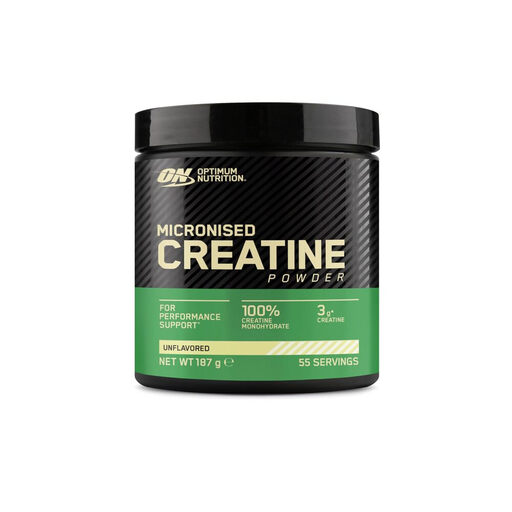
Why it’s a good fit: This unflavoured powder can be mixed with water, protein shakes or recovery drinks. According to the product information, the pack contains around 55 servings.
The stated 3 g of creatine per serving makes it easier to compare directly with other creatine products.
Pure creatine monohydrate, micronised powder and a neutral taste.
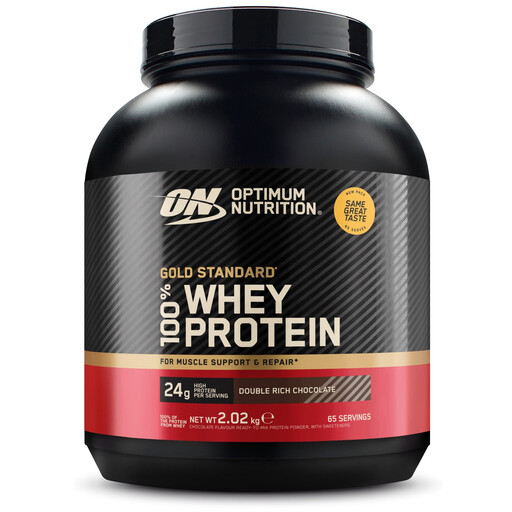
Why it’s a good fit: According to the product information, the blend of whey isolate, concentrate and hydrolysed whey provides 24 g of protein per 30 g serving.
Nutritional values, ingredients and allergens are listed per serving and per 100 g, making them easy to check.
24 g of protein per serving, 113 kcal according to the product information, and versatile use in shakes or recipes.
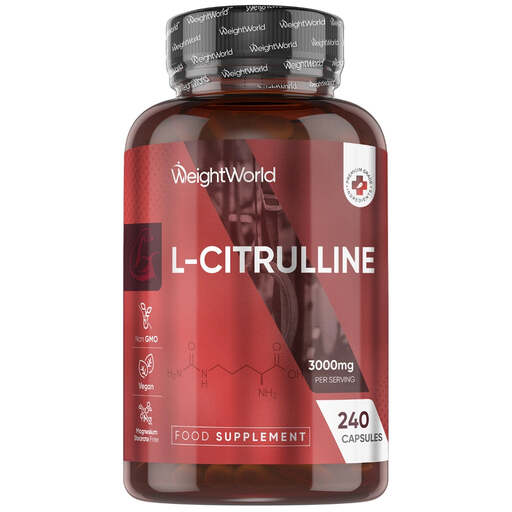
Why it’s a good fit: Capsules are a good option if you’d rather avoid powders or flavoured drinks. According to the product information, the recommended daily amount is four capsules.
The pack lists the amount per daily serving, as well as the ingredients and capsule count, rather than relying on a large headline number.
240 capsules, a vegan capsule shell and, according to the product information, a formula free from gluten, milk and soya.
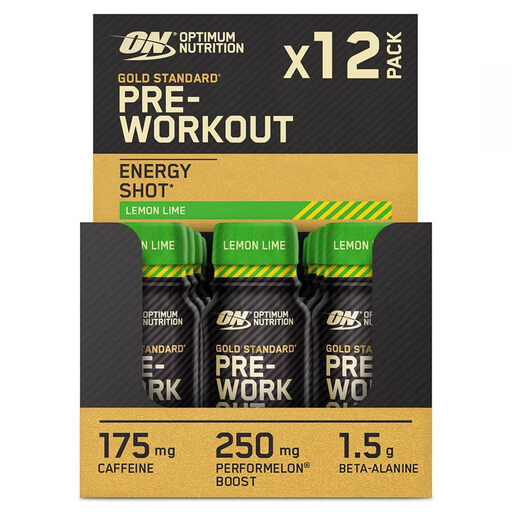
Why it’s a good fit: This ready-to-drink 60-ml shot doesn’t need a shaker and contains 175 mg of caffeine per serving, according to the product information.
The caffeine, beta-alanine and L-citrulline amounts are listed per 60-ml serving, making it easier to manage your intake.
Ready-to-drink individual servings, with 1.5 g of beta-alanine and 2 g of L-citrulline according to the product information.
We’ve put together a complete, regularly updated list of products that meet these strict selection criteria and fully comply with the safety regulations in force in the EU.
It depends on your goals and diet. If you find it difficult to get enough protein each day, protein powder may be worth considering. Creatine monohydrate is another clearly labelled product category for adults who train intensively. A pre-workout booster isn’t essential, though, and should be chosen with particular care because of its caffeine content and how well you tolerate it.
The best-before date is shown on the packaging. Once opened, powders should be kept in a cool, dry place with the packaging sealed. Prepared shakes should be consumed promptly. For protein bars, shots and electrolyte drinks, follow the manufacturer’s instructions.
Not necessarily. Several products may overlap in their ingredients and intended use. Before buying, consider your training goals, daily diet and any supplements you already take. If you have a medical condition, take medication, are pregnant or are unsure, it’s a good idea to seek medical advice. Sports nutrition supplements are no substitute for a balanced diet or a suitable training plan.