
Lieferung heute & morgen

Qualitätsgarantie

Willkommens-Angebote freischalten: KOSTENLOSE Lieferung | Bis zu 80 % RABATT | Kostenlose 30-Tage-JoyPlus-Testphase
App herunterladen
Anyone looking to buy sports nutrition supplements will find a wide range of creatine powders, pre-workout boosters, amino acids and sugar-free energy drink powders. Product names often sound similar, but their ingredients and dosage can differ significantly. For adults aged 18 and over, it is therefore less about marketing claims and more about clear information on ingredients, servings and how to use the product.
For powdered products, net weight alone tells you very little. The recommended serving size and number of servings are what matter. A 300 g container may last for different lengths of time depending on the dosage. So compare the price per serving, not just the price per pack.
With creatine or amino acids, it should be clear how much of the relevant active ingredient each serving contains. For example, a serving of flavoured creatine may contain 4.5 g of powder, of which 3 g is creatine. The same applies to pre-workout products: the total weight of the powder says little about its caffeine content or the amount of individual amino acids.
Sugar-free supplements may contain sweeteners and energy powders may still provide caffeine or taurine. If you train in the evening or are sensitive to caffeine, check the information given per serving. Combining coffee, energy drink powder and a pre-workout booster can also increase your daily caffeine intake.
With creatine monohydrate, the actual creatine content, recommended daily amount and number of servings are important points of comparison. Some products recommend taking 3 g of creatine daily, while others recommend 5 g of creatine monohydrate per day. The information on the product packaging is always decisive.
The approved EU claim for creatine is: creatine increases physical performance in successive bursts of short-term, high-intensity exercise; the beneficial effect is obtained with a daily intake of 3 g of creatine. This claim should not be equated with a medical or therapeutic effect.
For a pre-workout booster, you should check the following values, among others:
A caffeine-free pre-workout may be an appealing option for late training sessions. However, this does not mean that every ingredient is suitable for everyone. If you have an existing medical condition, take medication or are unsure, it is advisable to seek medical advice.
A short ingredients list can make choosing easier, but it is not proof of quality on its own. Look out for declared allergens, possible traces information and sweeteners. BCAA powders, amino acids and flavoured blends may contain additional acidity regulators, flavourings, colourings or anti-caking agents.
For people with specific dietary requirements, information such as vegan, gluten-free or lactose-free is relevant. This information should be checked against the current packaging, as formulations may change.
Powder can absorb moisture and become lumpy if stored incorrectly. A tightly sealable container, a dry storage place below 25 °C and protection from direct sunlight are practical minimum requirements according to the relevant product information.
Individual sticks are easier to measure when you are on the go. An energy drink powder with one stick per 0.25 l of water can be used in the office, while travelling or before a training session. The powder should not be consumed dry; dissolve it in water according to the instructions.
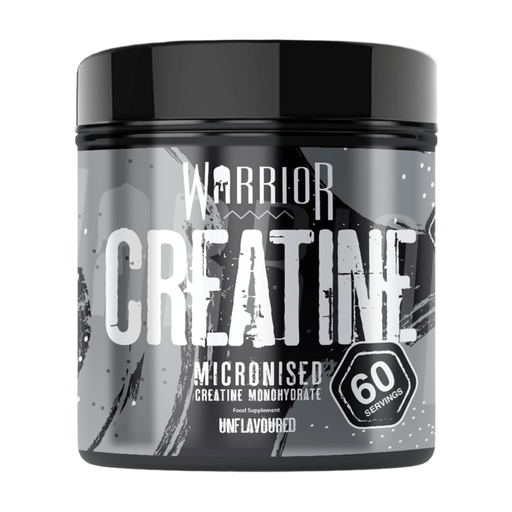
Why this product suits the profile: The unflavoured creatine powder can be mixed with water, juice or a protein shake and is intended for adults who do strength or interval training.
The product information states that it contains 300 g, provides 60 servings and has a recommended amount of 5 g per day. This makes it easier to calculate how long it will last before buying.
According to the product description, the formulation consists mainly of micronised creatine monohydrate and an anti-caking agent. The flavour is listed as neutral.
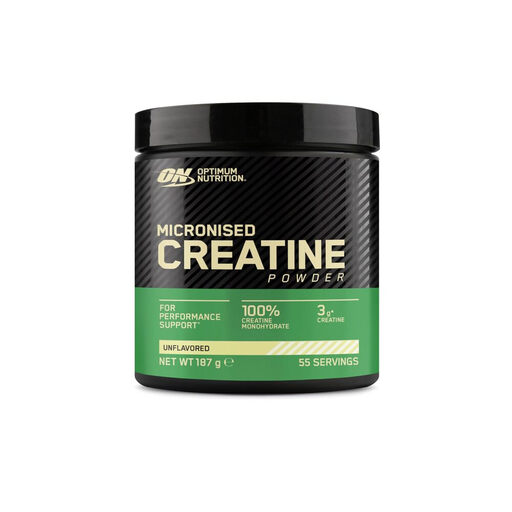
Why this product suits the profile: The unflavoured version is ideal for people who want to create their drinks exactly as they like them and keep the list of ingredients as straightforward as possible.
The label states that each serving provides 3 g of creatine and that there are approximately 55 servings. The creatine content is listed separately from the total weight of the serving.
According to the product information, the powder contains creatine monohydrate, has no declared allergens and is micronised. The serving is prepared with 240 ml of cold water.

Why this product suits the profile: The caffeine-free formulation is a good option for adults who train late or want to avoid caffeine in their pre-workout.
The absence of caffeine is clearly stated. This makes it easier to distinguish the formulation from caffeinated boosters and energy drink powders.
According to the product information, a 19 g serving provides 8 g of L-citrulline, 3.2 g of beta-alanine and 2 g of L-arginine. The tub contains 20 servings.
We have put together a complete, regularly updated list of products that fully meet these strict selection criteria and the safety regulations applicable in the EU.
Food supplements are not a substitute for a varied diet. Always follow the current packaging, recommended daily amount, age guidance and warnings. Many of the products mentioned are not intended for minors, pregnant women or breastfeeding women.
This depends on the net weight and daily serving. With 300 g and 5 g per day, this works out at approximately 60 servings. With a product containing 187 g and around 55 servings, the serving is smaller and provides 3 g of creatine according to the product information.
Usage depends on the product labelling. Caffeinated boosters should not be combined indiscriminately with coffee or energy drinks. You should also follow the stated maximum daily serving. If you have health concerns or take medication, seek medical advice before use.
No. “Sugar-free” does not necessarily mean that a product contains no calories. Ingredients such as carriers, flavourings or amino acids can contribute to the nutritional information. So check the nutrition table and serving size of the specific product.