
Lieferung heute & morgen

Qualitätsgarantie

Willkommens-Angebote freischalten: KOSTENLOSE Lieferung | Bis zu 80 % RABATT | Kostenlose 30-Tage-JoyPlus-Testphase
App herunterladen
Anyone looking to buy sports nutrition supplements will find a wide range of whey protein, creatine monohydrate, pre-workout boosters and weight gainers. Product descriptions often promise fast results, intense energy or particularly high quality. For an informed purchasing decision, however, the key factors are the ingredients list, nutritional values and suitability for your intended use.
“25 g protein per serving” sounds clear at first. However, what matters is the actual size of that serving and whether it was calculated with water or milk. With a protein shake, you should also check the protein per 100 g. This makes it easier to compare different types of powder.
For example, according to the product details, ESN Designer Whey Protein Cinnamon Cereal contains 71 g protein per 100 g. ESN Designer Whey Protein Almond Coconut provides up to 25 g protein per 30-g serving. These figures can only be compared directly when the respective reference quantity is taken into account.
Some whey products are sweetened without added table sugar, but may still contain sugar from milk components or other ingredients. It is also important to check the carbohydrate and sugar content of weight gainers. A gainer containing around 80% carbohydrates is designed to provide a targeted calorie boost, but will not automatically suit every diet.
Pre-workout boosters often combine caffeine, beta-alanine, creatine and other ingredients. However, more ingredients do not necessarily mean greater suitability for everyday use. Before buying, check the caffeine content per serving, recommended dosage and possible allergens. If you are sensitive to caffeine or take medication, consult a medical professional before use.
When choosing whey protein, three details are particularly important:
For example, Optimum Nutrition Gold Standard 100% Whey lists 24 g protein per 30-g serving and uses a blend of whey isolate, whey concentrate and hydrolysed whey. According to the product details, Mammut Nutrition Whey Protein Chocolate is based mainly on whey protein concentrate. When choosing a product, therefore, it is not just the brand name that matters, but the specific ingredients list for the flavour you select.
With creatine monohydrate, you should check how much creatine the product actually contains. A product might provide 3.4 g creatine monohydrate, of which 3 g is creatine. These figures are not identical.
According to the product details, Optimum Nutrition Micronised Creatine Powder contains 3 g creatine from 3.4 g creatine monohydrate per serving. The flavoured version also provides 3 g creatine per 4.5-g serving. The authorised EU statement is: creatine increases physical performance in successive bursts of short-term, high-intensity exercise when 3 g is consumed daily. Food supplements should not be used as a substitute for a balanced diet.
When choosing a pre-workout booster, your personal checklist should include:
JNX The Curse Pre-Workout contains 155 mg caffeine per scoop. Jack3d Advanced Pre-Workout lists 130 mg caffeine per 7-g serving, along with citrulline, beta-alanine and creatine monohydrate, among other ingredients. Dosage should not be chosen based solely on marketing claims. Also take into account coffee, energy drinks and other caffeine-containing products consumed on the same day.
A weight gainer or mass gainer is particularly useful when it is difficult to obtain additional calories through normal meals. Pay attention to:
Mammut Nutrition Crash Weight Gainer Chocolate lists a significantly higher calorie value when prepared with milk than for the powder alone, depending on the preparation method. For a meaningful comparison, the conditions must therefore always be the same: the same amount of powder and the same liquid.
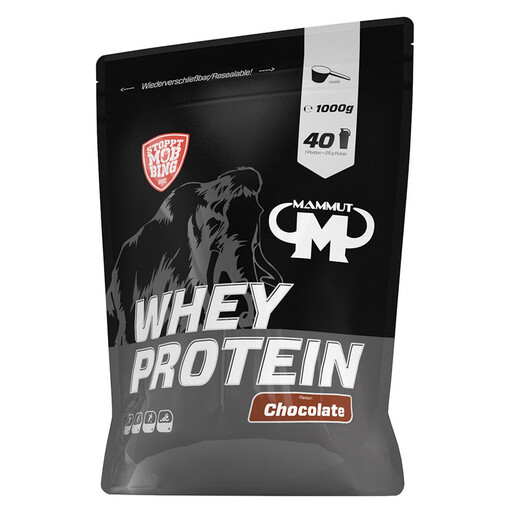
Why this product suits this profile: The 1,000-g pack is suitable for beginners who regularly prepare protein shakes and prefer to buy a larger supply.
The product details state protein values for both the powder and the preparation with milk. This makes it possible to understand how the serving calculation was reached.
Whey concentrate as the protein source, a measuring scoop, and the option to prepare it with water or milk.
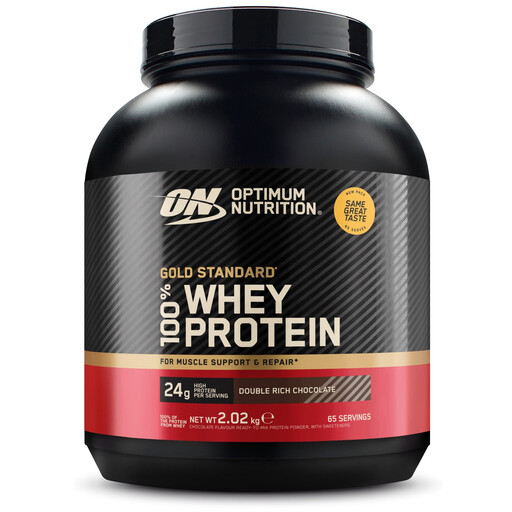
Why this product suits this profile: The large pack is ideal for regular whey protein users who add protein powder to shakes, porridge or recipes.
The nutritional table states 24 g protein and 113 kcal per 30-g serving. This means the comparison is based on specific serving values.
A blend of whey isolate, whey concentrate and hydrolysed whey; 2,020 g pack size.
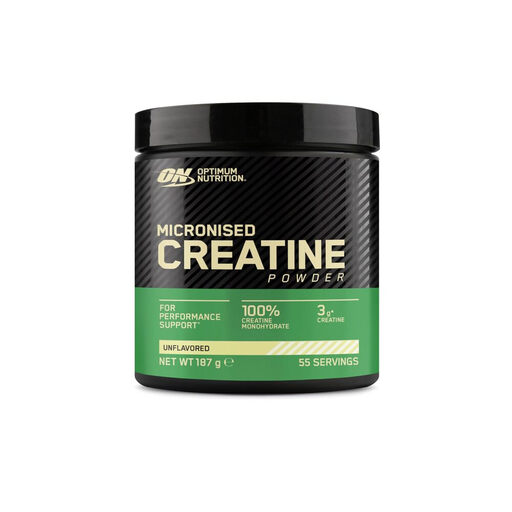
Why this product suits this profile: Unflavoured creatine can be combined flexibly with whey protein, water or a recovery drink.
According to the product details, the recipe consists of creatine monohydrate. The active ingredient content and serving size of 3 g creatine are clearly stated.
Micronised, unflavoured powder; according to the product details, no declared allergens.

Why this product suits this profile: The large pack is aimed at users with high additional calorie and carbohydrate requirements.
The high carbohydrate content and preparation quantity are clearly stated. This makes it easier to factor the gainer into your daily calorie plan.
Three-component carbohydrate complex, four-component protein blend and 4.5-kg container.
We have put together a complete, regularly updated list of products that fully meet these strict selection criteria and the safety regulations applicable in the EU.
The best-before date on the packaging is the deciding factor. Once opened, the powder should be stored in a dry place away from light and kept tightly sealed. Moisture can alter its consistency. For the specific period of use, follow the information provided by the respective manufacturer.
Dosage depends on the label, your normal diet and your individual training goal. Protein powder can supplement a protein-rich meal, but it is not a substitute for a varied diet. With creatine, pre-workout products and weight gainers, do not exceed the recommended daily amount.
For strength training, whey protein, creatine monohydrate and, where appropriate, a pre-workout booster are often considered. For endurance training, carbohydrate-rich products such as weight gainers may be useful when additional energy is needed. Your choice should always suit your actual level of exertion, diet and personal tolerance. If you have any pre-existing medical conditions, are pregnant or breastfeeding, or take medication regularly, it is advisable to consult a doctor.