
Lieferung heute & morgen

Qualitätsgarantie

Willkommens-Angebote freischalten: KOSTENLOSE Lieferung | Bis zu 80 % RABATT | Kostenlose 30-Tage-JoyPlus-Testphase
App herunterladen
If you want to buy sports nutrition supplements, you will find a wide range of whey protein, creatine monohydrate, protein powder, mass gainers, pre-workout products and amino acids. Product names often sound similar, but their composition and dosage can differ considerably. Choosing the right product is therefore about more than simply selecting a flavour or pack size.
A 5 kg container may look like good value at first glance. However, the key factors are the price per serving and the actual serving size. A mass gainer may require several hundred grams of powder per serving. As a result, a large pack may provide significantly fewer servings than a smaller protein powder.
You should therefore compare:
Whey protein may be made from whey protein concentrate, whey protein isolate or a blend of both. It may also contain sugar, flavourings, sweeteners and thickeners. When choosing protein powder, you should therefore check the nutritional information per 100 g and per serving.
For example, according to the product details, ESN Designer Whey Protein Milk Chocolate contains 76 g of protein per 100 g. Optimum Nutrition Gold Standard 100% Whey is stated to provide 24 g of protein per 30 g serving and 113 kcal per serving. Values such as these allow you to make an objective comparison rather than relying solely on marketing claims.
A pre-workout product may contain caffeine, beta-alanine, citrulline or other ingredients. When choosing one, the quantities per serving and your own tolerance to caffeine are more important than a striking product name. BCAA or amino acid products should not automatically be added to a diet that is already rich in protein.
When choosing whey protein or other muscle-building supplements, the amount of protein per serving is a key figure. You should also check the protein source:
Allergens must be checked in the ingredients list. Milk, soya, egg and cereals containing gluten are found in various products.
With creatine monohydrate, the amount of creatine actually contained in the product is crucial. According to the product details, Optimum Nutrition Micronised Creatine Powder provides 3 g of creatine per 3.4 g serving. The flavoured version requires 4.5 g of powder to provide 3 g of creatine. The difference is due to flavourings, acidity regulators and sweeteners.
If you prefer a neutral product, you can choose a pure powder such as nutri+ Creatine Powder. According to the product details, it consists of creatine monohydrate without fillers, flavourings, colourings or preservatives. The recommended serving is 3.4 g of powder per day.
Creatine products are food supplements and are not a substitute for a balanced diet. The relevant age and safety information on the packaging should be followed.
A mass gainer is primarily aimed at adults who want to increase their daily energy intake in a targeted way. The products differ considerably:
For high-calorie products, start with a smaller amount where this is possible according to the pack instructions. This makes it easier to assess how the product fits into your personal nutrition plan.
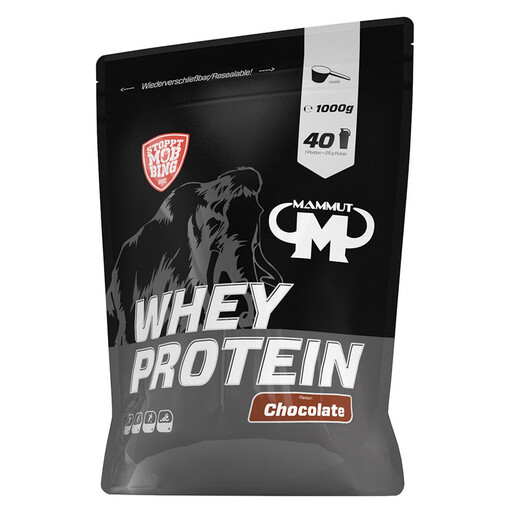
Why this product suits this profile: A manageable pack size for adults who want to introduce a protein shake into their daily routine.
The product details specify 27 g of protein per prepared serving with 300 ml of milk, as well as a measuring scoop. This makes it easier to control the quantity.
Whey protein concentrate, chocolate flavour and preparation with water or milk.
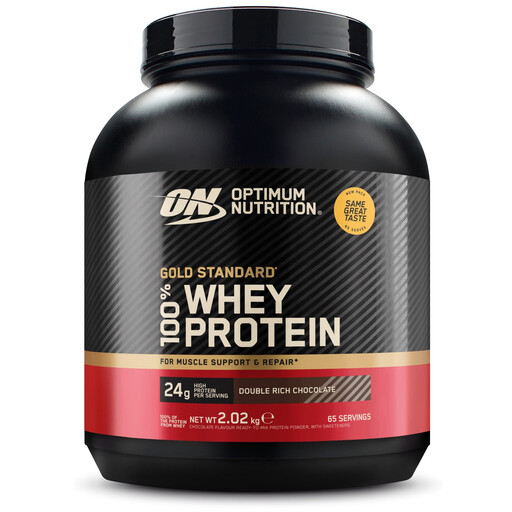
Why this product suits this profile: Suitable for people who prefer a clearly stated protein blend and a low calorie content per serving.
The product details state that each 30 g serving provides 24 g of protein, 113 kcal and 5.5 g of BCAA. This makes the relevant values easy to compare directly.
Whey isolate as the main ingredient, suitable for use in shakes, porridge or baking recipes.
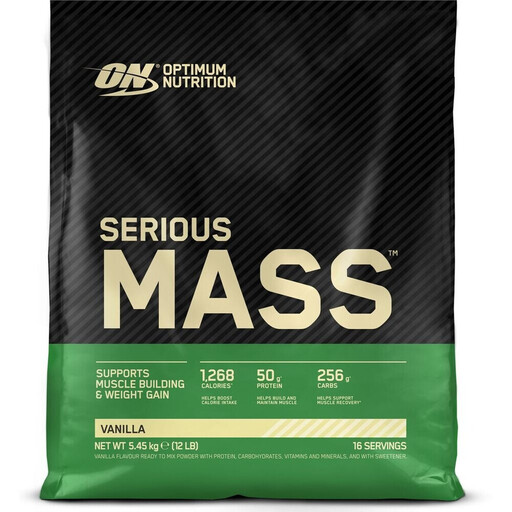
Why this product suits this profile: For adults with high calorie requirements who are planning to gain weight through a high-calorie shake.
The very large serving size is clearly stated: according to the product details, 334 g provides 1,268 kcal, 50 g of protein and 256 g of carbohydrates.
High energy and carbohydrate content per serving, plus 3 g of creatine monohydrate and a vitamin and mineral complex according to the product details.
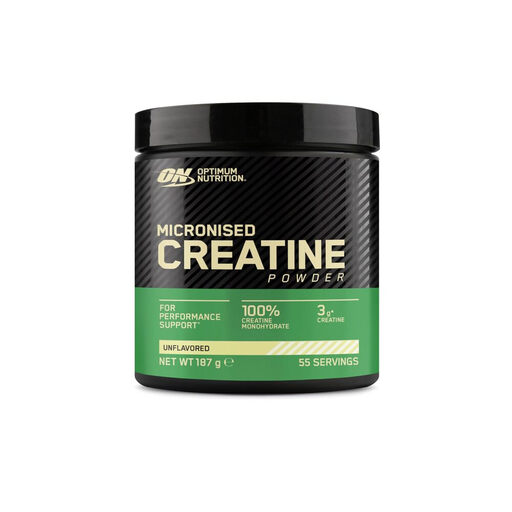
Why this product suits this profile: A neutral option for adults who want to measure creatine daily and combine it with a protein shake or water.
According to the product details, this is pure, unflavoured creatine monohydrate. The 3.4 g serving contains 3 g of creatine.
No flavourings or sweeteners according to the ingredients list; approximately 55 servings per 187 g pack.
We have put together a complete, regularly updated list of products that fully meet these strict selection criteria and the safety regulations applicable in the EU.
This depends on the pack size and dosage. With 1,000 g of whey protein and a 25 g serving, the pack provides approximately 40 servings. A 2,020 g product with 30 g servings provides approximately 67 servings. The information on the respective packaging remains decisive.
A protein shake can be consumed after training or as a protein-rich snack between meals. The exact timing is less important than ensuring the right overall amount of protein and energy in your daily nutrition plan. Water reduces additional calories, while milk increases them.
To calculate this, divide the product price by the number of servings. With a powder providing approximately 55 servings, one pack works out at around 55 days of use if you take one serving per day according to the dosage instructions. Always compare the amount of creatine actually provided per serving, rather than just the total weight.