
Lieferung heute & morgen

Qualitätsgarantie

Willkommens-Angebote freischalten: KOSTENLOSE Lieferung | Bis zu 80 % RABATT | Kostenlose 30-Tage-JoyPlus-Testphase
App herunterladen
Anyone looking to buy sports nutrition supplements will find a wide range of protein powders, whey protein, casein protein, mass gainers, pre-workout boosters and collagen products. Product names often sound similar, but can differ considerably in their ingredients, serving sizes, nutritional values and intended use.
Three common buying traps often lead to unnecessary spending:
With protein powder, you should check the protein content per 100 g and per serving. Whey protein usually consists of whey protein concentrate, whey protein isolate or a combination of the two. Depending on the recipe, isolate may contain less fat and carbohydrates, but it is not essential for every purpose.
When comparing ESN Protein, Optimum Nutrition or Mammut Nutrition, it is worth checking:
According to the product information, ESN Designer Whey Protein Vanilla Milk is prepared with 30 g of powder and provides 28.2 g of protein per serving. Mammut Nutrition Whey Protein lists around 27 to 28 g of protein per serving, depending on the nutritional information. The values should always be checked against the label for the flavour you choose.
Whey protein is often used after training or as a protein-rich snack. Casein protein is digested more slowly, so it may be suitable between main meals or in the evening. This is not a medical effect, but a matter of the type of protein and your individual nutrition plan.
The ingredients are particularly important if you have intolerances. Milk protein and soya are found in many products. Sweeteners, flavourings, thickeners and caffeine should also be taken into account. Comparing the ingredients list as closely as possible can help you choose products based on more than just taste or packaging design.
Collagen powder, Marine Collagen and liquid collagen are intended for a different purpose from classic protein shakes. Important factors include the amount of collagen per serving, the source of the collagen and additional nutrients such as vitamins C, D and E, zinc or manganese. For products containing fish-derived ingredients, you should check the allergen labelling.
Creatine is generally sold as a standalone ingredient or as part of a blend. With a mass gainer, the key factors are calories, carbohydrates, protein and serving size. According to the product information, Optimum Nutrition Serious Mass contains more than 1,250 kcal, 50 g of protein and 250 g or more of carbohydrates per stated serving. A serving of this size may be impractical for people with low calorie requirements.
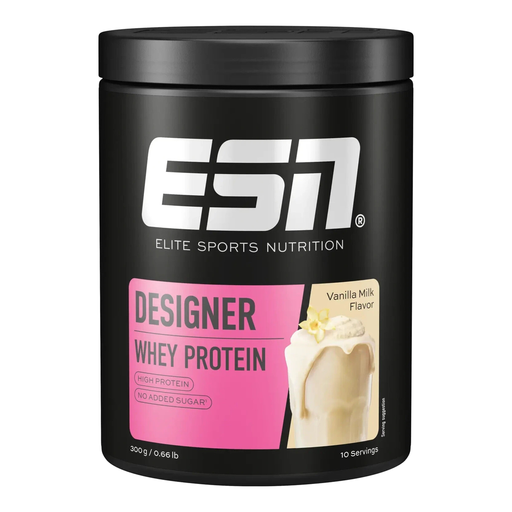
Why this product suits this profile: The 300 g pack is a good way to try a whey product without committing to a large pack straight away. According to the product information, a 30 g serving provides 28.2 g of protein.
The serving size and protein content are clearly stated. This makes it easier to compare the price per shake with other products.
Whey protein blend made from concentrate and isolate; 300 g pack; vanilla milk flavour.
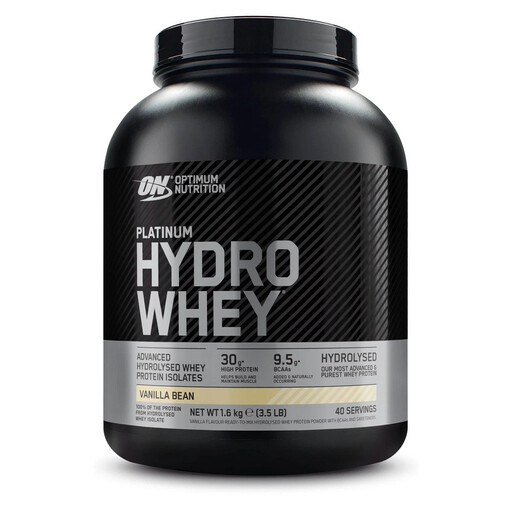
Why this product suits this profile: If you are looking for an isolate-based product with clearly specified serving information, the product description states that each 40 g serving provides 30 g of hydrolysed whey protein isolate.
The protein, BCAA content and serving size are listed separately. This prevents a BCAA blend from being confused with the total product weight.
30 g of protein per serving; 8.8 g of BCAA according to the product information; resealable large pack.
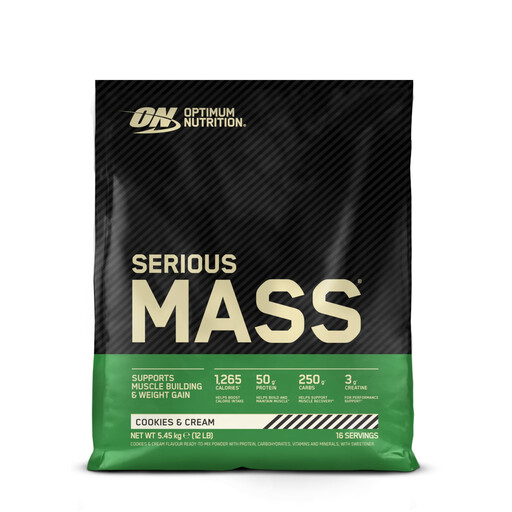
Why this product suits this profile: A mass gainer is aimed at people who want to deliberately increase their daily energy intake and can use up a large pack regularly.
The calorie and carbohydrate content per serving is clearly stated. This makes it possible to adjust the serving size to suit your individual needs.
More than 1,250 kcal and 50 g of protein per stated serving; 5.45 kg pack; 3 g of creatine according to the product information.
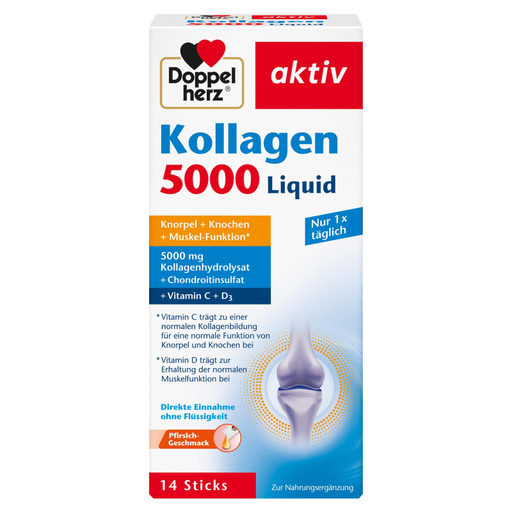
Why this product suits this profile: This product is designed for people who prefer collagen in liquid form and do not want to mix it with water.
According to the product information, each serving contains 5,000 mg of hydrolysed collagen and 80 mg of chondroitin sulphate. This makes the dosage easy to check for each stick.
14 individual sticks; peach flavour; additional vitamins C, D and E and manganese according to the nutritional information.
We have put together a complete, regularly updated list of products that fully meet these strict selection criteria and the safety regulations applicable in the EU.
Food supplements are not a substitute for a balanced and varied diet. The recommended daily dose should not be exceeded. If you are pregnant or breastfeeding, have a chronic condition, take medication or have known allergies, it is advisable to consult a doctor.
When using pre-workout boosters, you should take your total daily caffeine intake into account. Caffeinated products are not intended for children or teenagers. If collagen products contain vitamin D, you should also check whether you are taking any other vitamin D supplements. Always follow the information on the current packaging.
This depends on the product. Powder should be stored in a dry, sealed, light-protected place, usually below 25 °C. Some manufacturers recommend using opened products within a few months. The specific best-before date and the manufacturer’s instructions on the packaging are decisive.
Both products provide protein, but they differ in their protein source and digestion speed. Whey protein is often suitable for a shake around your training session, while casein protein is also used between meals or in the evening because it is digested more slowly. The key factors remain your total daily protein intake, diet and training programme.
Divide the product price by the number of servings. You can then also take the amount of protein per serving into account. This makes small packs, bulk packs and products with different scoop sizes objectively comparable.