
Lieferung heute & morgen

Qualitätsgarantie

Willkommens-Angebote freischalten: KOSTENLOSE Lieferung | Bis zu 80 % RABATT | Kostenlose 30-Tage-JoyPlus-Testphase
App herunterladen
Anyone looking to buy sports nutrition supplements will find a wide range of whey protein, creatine monohydrate, mass gainers, BCAA powder and pre-workout boosters. Product names often sound similar, but their composition and dosage can vary considerably. Choosing carefully helps you avoid unnecessary spending, unsuitable ingredients and portions that are difficult to calculate.
A large serving does not automatically mean a higher protein content. When choosing a protein shake, compare the protein content per 100 g and per serving. With whey protein, the protein source, carbohydrate and sugar content, as well as allergen labelling, are also important.
Check whether the nutritional values have been calculated with water or milk. Milk significantly changes the calorie, fat and carbohydrate values. A powder providing 24 g of protein per serving may therefore be easier to compare meaningfully than a promotional claim such as “30 g of protein in the shake” if that figure is only achieved by adding milk.
Some supplements contain sweeteners, flavourings, vitamins, minerals or additional amino acids alongside the main ingredient. This is not necessarily a problem, but it can make it more difficult to assess the actual product.
With creatine powder, check how much creatine monohydrate is actually included per daily serving. For example, a product may provide 3.4 g of creatine monohydrate, of which 3 g is pure creatine. With BCAA powder and amino acids, the ratio of the individual ingredients is crucial.
Larger packs can reduce the price per serving, but they are not practical for every household. With a 3,000-g bag of whey protein, consider your storage space, how long the product will keep after opening and how much you actually consume. If you are not yet familiar with the flavour or how easily it mixes, a smaller pack is often the more predictable choice.
Whey protein products differ in whether they contain whey concentrate, whey isolate or blends made from several protein sources. A concentrate may contain more fat, carbohydrates and lactose as well as protein. An isolate is often more highly filtered. However, the information on the specific product label is what matters most.
Compare:
For example: According to the product information, Optimum Nutrition Gold Standard 100% Whey provides 24 g of protein in 30 g of powder and 113 kcal per serving. MAMMUT Nutrition Whey Protein lists around 27 to 28 g of protein per serving, depending on the information provided, although the nutritional values are partly calculated using 300 ml of milk. For a fair comparison, the nutritional table for the specific flavour is therefore the key reference.
With creatine monohydrate, a clear ingredients list is a useful selection criterion. According to the product description, Nutri+ Creatine Powder consists of creatine monohydrate and contains no flavourings, sweeteners or colourings. The recommended serving is 3.4 g of powder and provides 3 g of creatine.
Other products also contain acidity regulators and flavourings. This can change the taste when prepared, but it is relevant to buyers who prefer a neutral powder to mix into a protein shake. Do not exceed the recommended daily dose. Anyone with a medical condition, taking medication or following specific dietary requirements should discuss using the product with a healthcare professional.
A mass gainer is not an ordinary protein powder. Servings can weigh several hundred grams and provide large amounts of carbohydrates. Depending on the variant, Optimum Nutrition Serious Mass is listed as providing approximately 1,250 to 1,268 kcal, around 50 g of protein and approximately 250 to 256 g of carbohydrates per full serving. This is more suitable for people with high calorie requirements than for buyers who simply want to supplement their daily protein intake.
With a pre-workout booster, check the caffeine content, serving size and recommended time of consumption. According to the product information, Jack3d Advanced Pre-workout contains 130 mg of caffeine per 7-g serving. People who are sensitive to caffeine, pregnant women and under-18s should not use such products. You should also take into account any caffeine consumed from coffee or energy drinks.
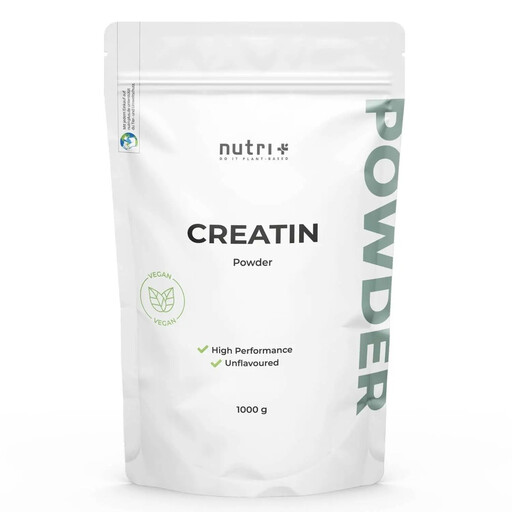
Why this product suits this profile: This unflavoured large pack is suitable for adults who use creatine monohydrate regularly and prefer a straightforward ingredients list.
The ingredients list specifies creatine monohydrate without fillers, flavourings or colourings. The powder quantity and daily serving are clearly stated.
1,000-g pack, vegan positioning and 3.4 g of powder per recommended serving.
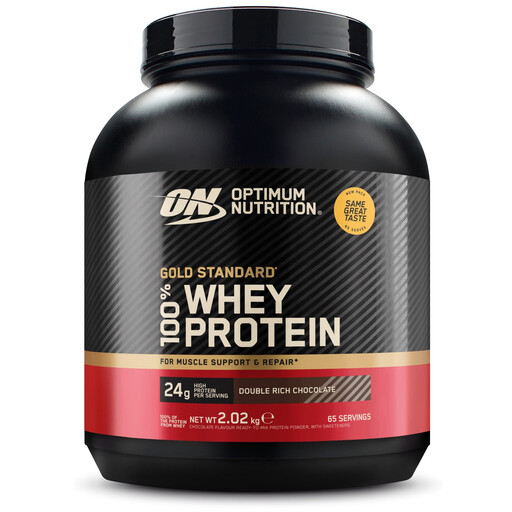
Why this product suits this profile: The blend of whey isolate, whey concentrate and hydrolysed whey provides a clearly declared protein base for shakes and protein-rich recipes.
The nutritional values refer to a defined 30-g serving: 24 g of protein and 113 kcal according to the product information.
2,020-g pack size, 5.5 g of naturally occurring BCAAs per serving according to the product description, and versatile use.
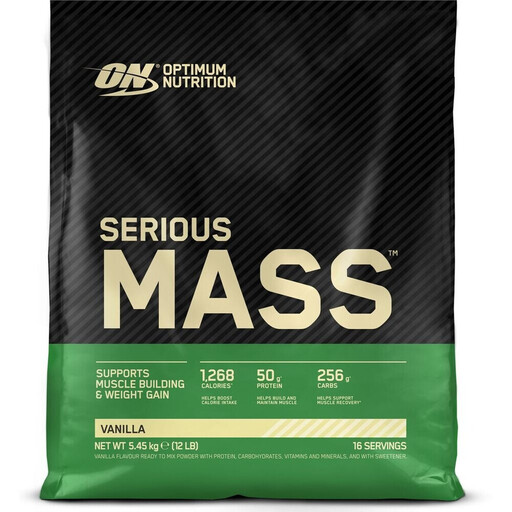
Why this product suits this profile: This mass gainer is aimed at adults who want to deliberately increase their calorie and carbohydrate intake and regularly use large packs.
The large serving size is stated transparently: approximately 334 g, providing around 1,268 kcal, 50 g of protein and 256 g of carbohydrates.
5,450-g pack, 25 vitamins and minerals according to the product description, and 3 g of creatine monohydrate per serving.
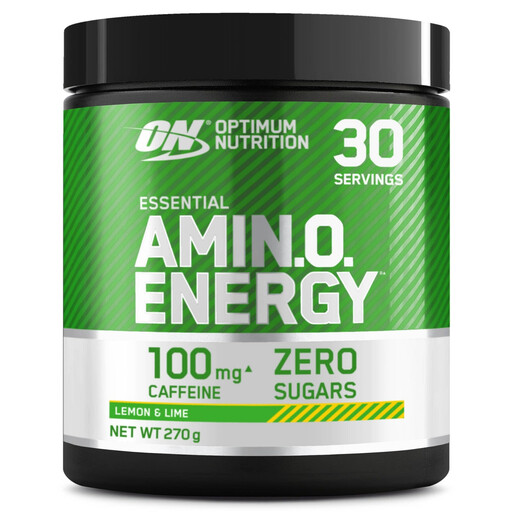
Why this product suits this profile: This powder combines amino acids with 100 mg of caffeine per serving and is aimed at adults looking for a measured alternative to coffee before training.
The caffeine content is stated per serving, making it easier to plan your total intake alongside other caffeinated drinks.
5 g of amino acids per serving, 30 kcal, and a sugar- and fat-free product according to the description.
We have put together a complete, regularly updated list of products that fully meet these strict selection criteria and the safety regulations applicable in the EU.
The best-before date and the manufacturer's instructions are the key factors. The powder should be stored in a dry, sealed, light-protected place and at the specified temperature. After opening, product information may state a period of three or four months, for example. Lumps, moisture or an unusual smell are reasons not to use the product any further.
A protein shake can be used after training, between meals or at another suitable time of day. Fitting it into your overall diet is more important than taking it at one specific time. Check the serving size, your personal tolerance and your actual protein requirements rather than combining several products with a similar function.
Creatine powder can be mixed flexibly into water or a protein shake and is often available in larger packs. Tablets, on the other hand, allow you to take a pre-measured serving without weighing it out. With either format, compare the amount of actual creatine per daily serving, the ingredients list and the usage instructions. Supplements are no substitute for a varied diet and a healthy lifestyle.