
Lieferung heute & morgen

Qualitätsgarantie

Willkommens-Angebote freischalten: KOSTENLOSE Lieferung | Bis zu 80 % RABATT | Kostenlose 30-Tage-JoyPlus-Testphase
App herunterladen
If you’re looking to buy sports nutrition supplements, you’ll find a huge selection of creatine, amino acids, pre-workout boosters and energy supplements. But the product descriptions aren’t always as straightforward as they first appear. What really matters isn’t flashy marketing claims – it’s dosage, ingredients, format and how you use them.
A product can contain lots of ingredients without stating the amount per serving. With a pre-workout booster, you should check exactly how much caffeine, beta-alanine, L-citrulline or creatine is actually in each serving. A long list of ingredients alone tells you very little about whether it’s right for you.
“3000 mg” could refer to a daily portion, a single capsule or the entire active blend. With creatine, it’s important to know whether the figure applies to powder, tablets or several capsules. The number of servings per pack also affects the ongoing cost.
Coffee, energy drinks, caffeine capsules and a pre-workout can together add up to a high daily intake. A product like C4 Ultimate contains 300 mg of caffeine per serving according to the product details, while Jack3d Advanced Pre-Workout is listed at 130 mg of caffeine per serving. If you train in the evening or are sensitive to caffeine, consider a caffeine-free pre-workout instead.
Don’t just compare the pack price – look at the actual amount of the active ingredient. With creatine monohydrate, for example, these details are crucial:
A powder is usually more flexible to dose and can be stirred into water or a shake. Tablets and capsules are handy on the go, but you may need several units per daily serving.
With a pre-workout, the amounts of each individual ingredient should be clearly stated. This is especially important for:
For BCAA products, the ratio of L-leucine, L-isoleucine and L-valine should be listed. The Optimum Nutrition Gold Standard BCAA Train + Sustain, for example, states a 2:1:1 ratio and 5 g of BCAAs per serving. It also contains electrolytes, vitamin C, zinc and magnesium.
Your choice should also consider when and where you’ll use it. Powders need water, a scoop and often a shaker. Capsules and tablets are easier to carry, but may require several units depending on the daily dose.
Also check:
Food supplements are not a substitute for a balanced diet. If you have health concerns or take medication regularly, it’s wise to consult a doctor.
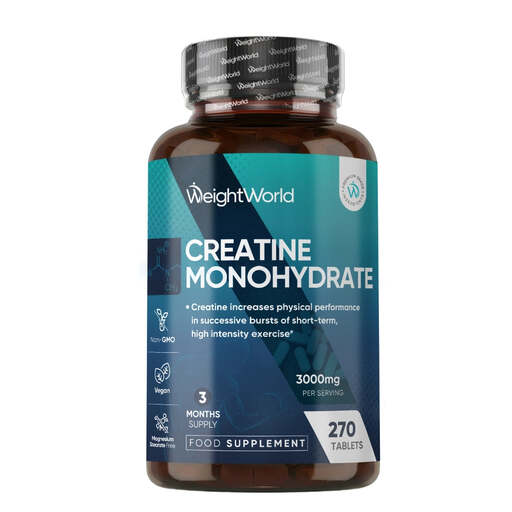
Why this product fits the profile: The tablet format is ideal for adults who want to add creatine to their training routine without weighing or mixing. Three tablets provide 3000 mg of creatine monohydrate according to the product information.
The active ingredient amount per daily serving and the pack size of 270 tablets are clearly stated.
Tasteless tablets, described as gluten-free, milk-free and soya-free.
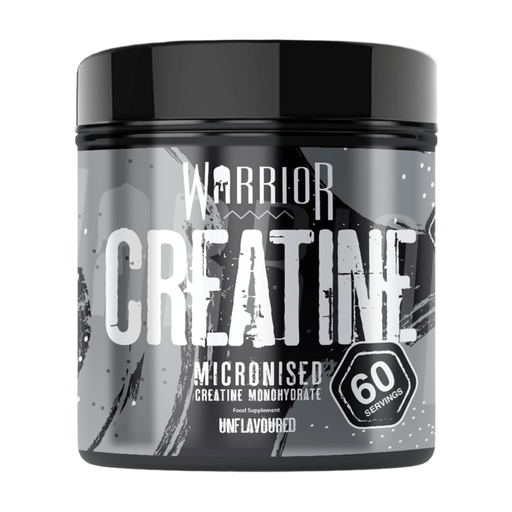
Why this product fits the profile: The powder is used at 5 g per serving according to the product information and can be stirred into water, juice or a protein shake.
The dosage, the 300 g quantity and the reference to creatine monohydrate are clearly and transparently stated.
Unflavoured powder with 60 stated servings; silicon dioxide is also listed as an anti-caking agent.

Why this product fits the profile: This caffeine-free pre-workout is designed for adults who train late or want to avoid caffeine in their training drink. It states 8 g of L-citrulline, 3.2 g of beta-alanine and 2 g of L-arginine per serving.
The absence of caffeine is clearly stated, so there’s no hidden caffeine source to account for from this booster.
380 g powder, 20 servings and a defined mixing amount of 19 g with 400 ml of water.
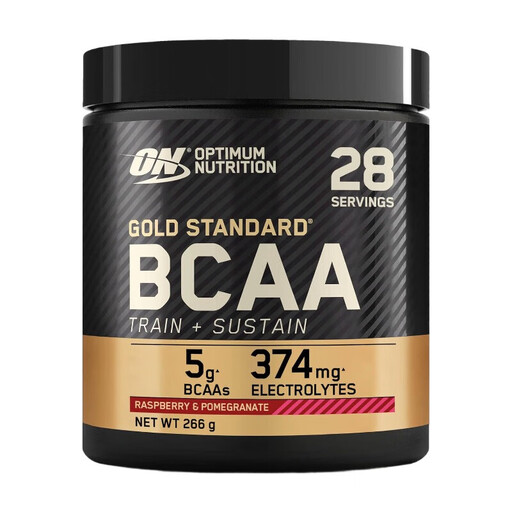
Why this product fits the profile: This BCAA powder is intended for use during training and combines 5 g of BCAAs with electrolytes, magnesium, vitamin C and zinc per serving.
The 2:1:1 BCAA ratio, the number of servings and the preparation with 350 ml of water are all clearly stated.
266 g content and 28 servings; the product also contains rhodiola extract as well as sodium and magnesium compounds.
We’ve put together a full, regularly updated list of products that meet these strict selection criteria and comply with EU safety regulations.
That depends on the labelling of the individual product. Creatine powder should be stored in a dry, sealed container away from heat and direct sunlight. The best-before date and the instructions on the packaging are what matter. Moisture can affect the consistency.
Creatine powder is ideal for users who want to flexibly mix their portion into water or a shake. Creatine capsules or tablets are easier to take on the go, but may require several units per daily serving. Always compare the active ingredient amount per serving and the cost per use.
A caffeine-free pre-workout is an obvious option for late training sessions if you want to avoid caffeine. Caffeine-containing products like energy capsules or classic pre-workout boosters should be factored into your total daily intake alongside other caffeine sources. The manufacturer’s usage instructions always take priority.