
Lieferung heute & morgen

Qualitätsgarantie

Willkommens-Angebote freischalten: KOSTENLOSE Lieferung | Bis zu 80 % RABATT | Kostenlose 30-Tage-JoyPlus-Testphase
App herunterladen
If you’re looking to buy sports nutrition supplements, you’ll quickly find a huge selection of whey protein, creatine monohydrate, weight gainers and other products. But the deciding factors aren’t just flavour or pack size. What really matters are clear nutritional values, the right dosage, and a product format you can easily fit into your daily routine.
A 4.5 kg bag might look attractive at first glance. Whether a weight gainer or mass gainer is actually worth it depends on the serving size, calorie content and how often you use it. If you only have a protein shake occasionally, you probably don’t need a bulk pack.
Claims like “30 g protein per shake” sometimes refer to preparation with milk. For a fair comparison, check the value per 100 g of powder and also per recommended serving. Carbohydrates, sugar, fat and salt should all factor into your decision too.
A protein powder with added creatine, vitamins or amino acids can be convenient for some users. But it makes comparisons harder if the individual amounts aren’t clearly stated. With a straight creatine monohydrate, a short ingredients list is often clearer than a complex blend.
Whey protein comes from milk and is usually sold as whey concentrate, whey isolate or a combination of both. A high protein content per 100 g makes it easier to top up your daily protein intake. Among the products in this selection, values range from 71 g to 76 g protein per 100 g across different ESN variants.
For a protein shake, solubility, serving size and flavour also matter. If you plan to use the powder in porridge or for baking, go for a neutral or versatile flavour. If you have a milk allergy or lactose issues, read the ingredients and allergen list carefully.
With creatine monohydrate, the daily dose and purity of the formula are the main things to compare. The nutri+ Creatine Powder contains 100 % creatine monohydrate according to the product description, and provides 3 g of creatine monohydrate per recommended serving. Other products offer creatine in tablets, gummies or as part of a gainer.
The approved health claim for creatine relates to improved physical performance during repeated, short, high-intensity exercise. Under EU rules, this only applies with a daily intake of 3 g of creatine and for adults doing high-intensity physical activity. Always follow the usage instructions on the packaging.
A weight gainer isn’t just a protein powder in a bigger tub. It often contains a high proportion of carbohydrates such as maltodextrin or dextrose. The Mammut Nutrition Crash Weight Gainer, for example, lists 80 % carbohydrates. Depending on how you prepare it with milk, one serving can provide significantly more calories than the powder alone.
For anyone with intolerances, ingredients like milk, soya, egg, oats or gluten are important. Before buying, also check the sugar content and the recommended maximum daily amount. A gainer only makes sense if extra calories are actually part of your individual nutrition plan.
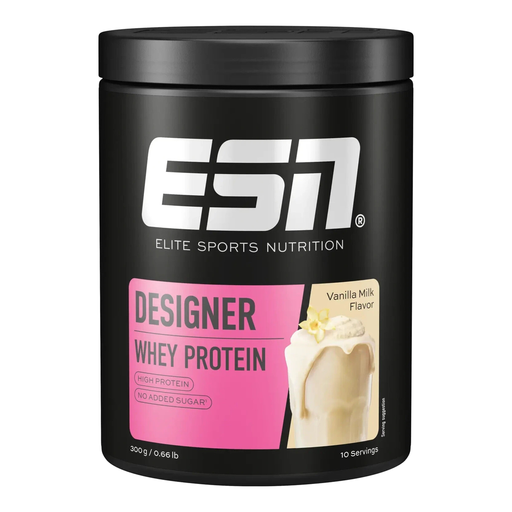
Why this product fits the profile: The 300 g pack is ideal for anyone wanting to try whey protein in their daily routine or around training. A 30 g serving provides 28.2 g of whey protein blend.
The serving size and nutritional values are clearly stated. This makes it easier to distinguish the actual protein content from figures based on a milk preparation.
Whey protein blend of concentrate and isolate; can be mixed with water or semi-skimmed milk.
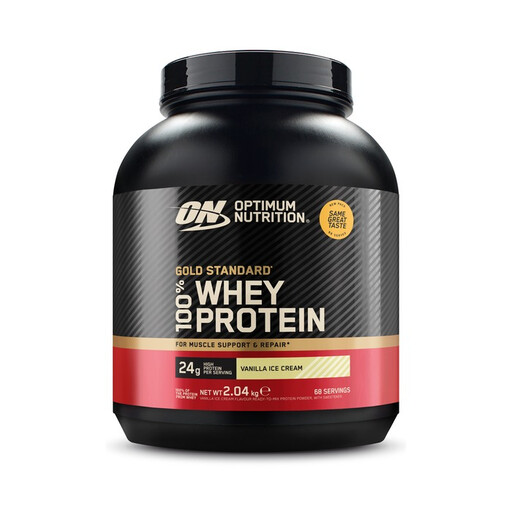
Why this product fits the profile: The bulk pack is designed for regular protein shake users. A 32 g serving provides 24 g protein and 119 kcal.
Protein, carbohydrates, sugar, fat and salt are listed per serving. The creatine content is also stated separately at 3.4 g per serving.
Blend of whey isolate, concentrate and hydrolysed whey; 63 servings per 2 kg pack.
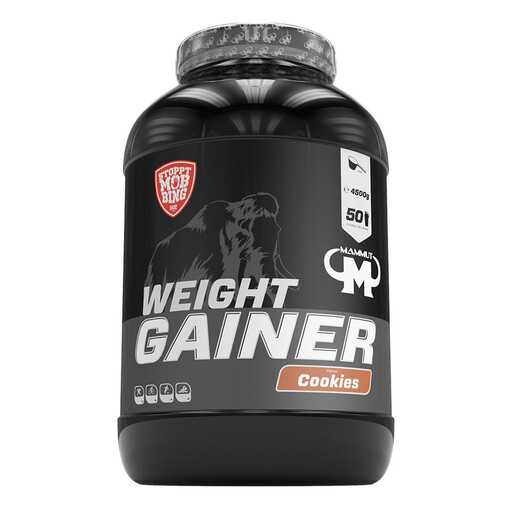
Why this product fits the profile: This gainer is aimed at adults with high calorie needs, for example during intense strength or endurance training. One serving is prepared with 90 g of powder and 300 ml of milk.
The formula lists carbohydrates, protein, sugar and calories separately. This lets you check whether the high carbohydrate content fits your personal nutrition goals.
80 % carbohydrates according to the product information; protein blend of soya, egg, whey and milk, plus 1 g creatine monohydrate per 100 g.
A separate creatine monohydrate powder can be clearer than a combination product. The nutri+ Creatine Powder contains no sweeteners, flavourings, colourings or preservatives according to the product information, and comes with a recommended serving of 3.4 g of powder.
Glutamine powder is also available, but shouldn’t automatically be seen as a necessary part of every sports supplement routine. The MuscleTech Platinum 100 % Glutamine provides 5 g of L-glutamine per serving. Before buying, check the purpose, dosage, ingredients and your own tolerance.
We’ve put together a full, regularly updated list of products that meet these strict selection criteria and comply with EU safety regulations.
The best-before date and manufacturer’s instructions are what matter. Opened packs should be stored in a dry, cool place away from light, and sealed tightly after each use. Moisture can affect the texture and how well the powder mixes.
Depending on your nutrition plan, a protein shake can be used after training, between meals or at another convenient time. The exact timing is less important than getting the right total daily protein intake and maintaining a balanced diet.
To work out the cost, compare the price per pack, serving size and number of servings. Milk, plant-based drinks or other ingredients can also add to the cost per shake. With creatine, the daily amount is usually smaller, while weight gainers are used up much faster due to larger servings.
Note: Food supplements are not a substitute for a varied, balanced diet and a healthy lifestyle. The recommended daily intake stated on the packaging should not be exceeded. If you have a medical condition, are taking medication, are pregnant or breastfeeding, consult a doctor before use.